Stop scrolling and start visiting

Walking Through A Dream: Hidden Trails, Misty Forests & High Villages Worth Wandering Into
Discover dreamy walking destinations around the world, from misty mountain villages and cloud forests to cliffside paths, monastery trails, sky-high towns, and hidden places worth wandering into.
LOST IN THE CLOUDS
Sarah Melland
7/6/202614 min read
Walking Through A Dream
Hidden Trails, Misty Forests & High Villages Worth Wandering Into
Some places are not meant to be conquered.
They are not built for the kind of traveler who rushes through with a checklist, a dying phone battery, and a laminated plan for maximizing charm by 3:00 p.m. They do not reveal themselves quickly. They ask you to arrive slowly, to walk instead of race, to let the clouds move first.
These are the places where the path matters as much as the destination.
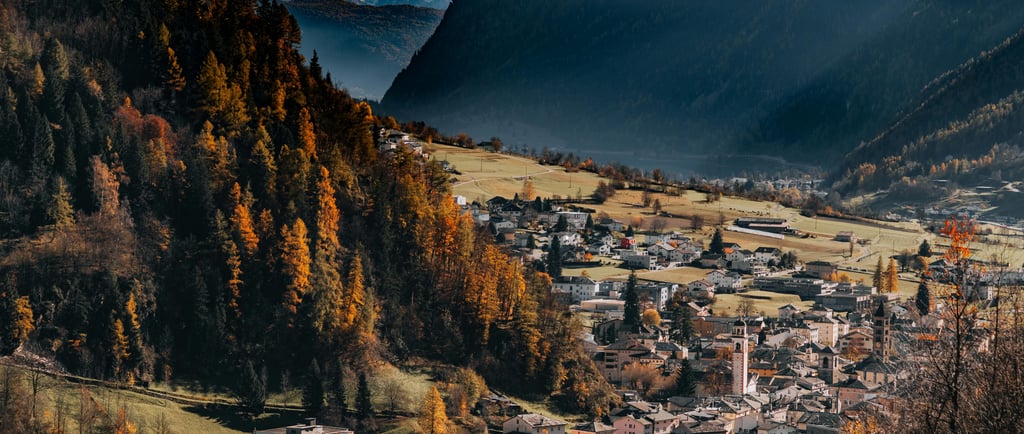
A bridge stretches toward a village balanced on stone.
A forest trail disappears into mist.
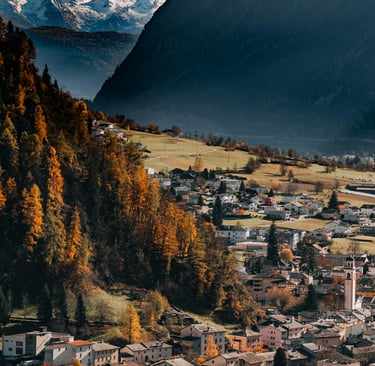
A mountain town waits above the valley.
A footpath follows old pilgrimage routes, sheep tracks, monastery roads, riverbeds, and forgotten lanes.
A village appears where you expected only sky.
This is the magic of walking through a dream.
Not every place on this list is unknown, but each one has that Visit Small Cities feeling: smaller, stranger, softer, and less obvious than the places everyone already has pinned. These are not just viewpoints. They are places you wander into, places that change as you move, places that make walking feel like crossing from one version of the world into another.
Because sometimes the most unforgettable travel moment is not arriving. It is the slow, beautiful act of getting there.
1. Civita di Bagnoregio, Italy
The Village You Enter By Bridge
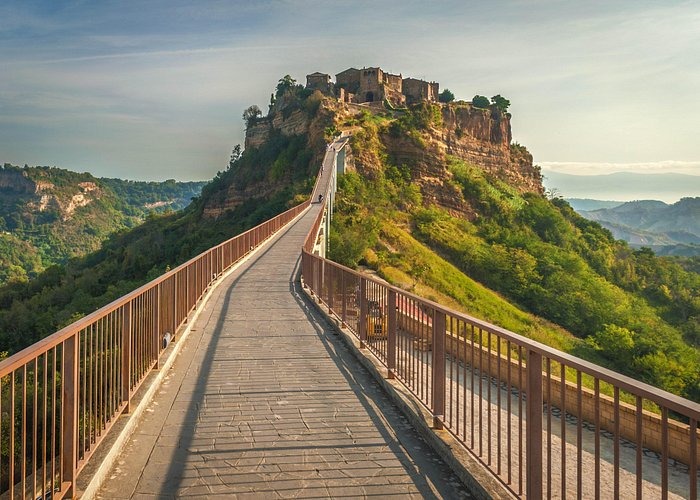
Civita di Bagnoregio does not let you arrive casually. You have to walk to it.
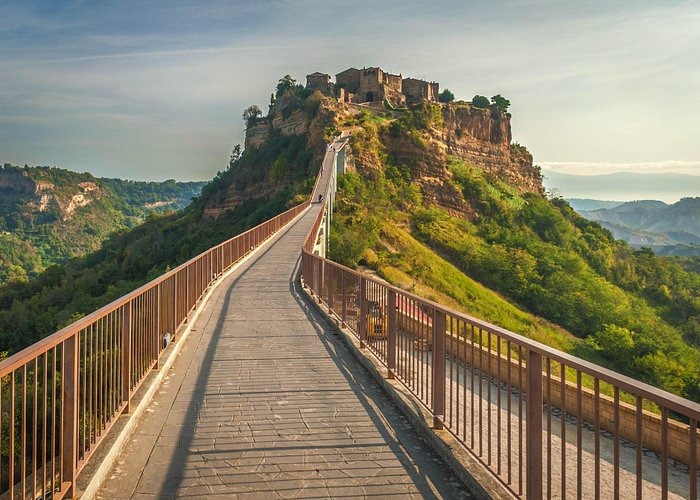
The village sits alone on a crumbling volcanic hilltop in central Italy, separated from the modern town of Bagnoregio by a long pedestrian bridge. From a distance, it looks almost unreal: a cluster of stone houses, old walls, arches, and bell towers rising from soft cliffs, with valleys falling away on every side.
It is often called “the dying city,” which sounds dramatic until you see it. The ground around it has been eroding for centuries, slowly taking pieces of the hill with it. That fragility gives Civita a strange tenderness. It is beautiful because it is vulnerable. It feels ancient, but not invincible.
The walk across the bridge is the spell.
With each step, the ordinary world loosens behind you. Cars vanish. Noise fades. The village grows larger. The valley opens below. On misty mornings, Civita can look as if it is floating, less like a town and more like a memory that has decided to remain visible.
Once inside, there is no need to do much. Wander the stone lanes. Look for cats in doorways. Step into the small piazza. Let the wind come through the arches. This is not a place that needs activities stacked on top of it.
The arrival is the experience.
Walk here for: a fairytale bridge, cliffside lanes, fragile beauty, and the feeling of entering a village that should not still exist.
Best base: Bagnoregio, Orvieto, or a slow road trip through Lazio and Umbria.
2. Gimmelwald, Switzerland
The Car-Free Alpine Village Above The Valley
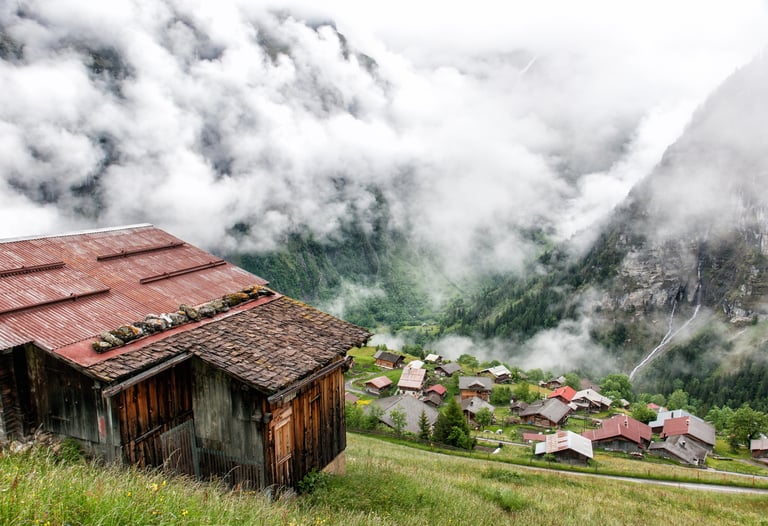
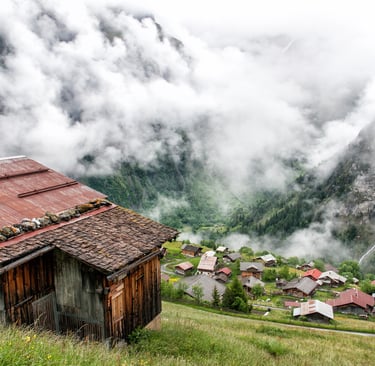
Gimmelwald feels like Switzerland whispering instead of performing. There are no cars here, no grand resort energy, no glossy mountain scene trying too hard to impress you. Just wooden chalets, steep meadows, cowbells, flower boxes, mountain air, and a village perched above the Lauterbrunnen Valley as if it wandered up there and forgot to come down.
You reach it by cable car or trail, which already makes it feel set apart from ordinary life. The journey lifts you out of the valley and into a quieter altitude, where the mountains feel close enough to overhear your thoughts.
Gimmelwald is not dramatic in the way famous alpine viewpoints are dramatic. It is smaller than that. More intimate. More human. You walk through it slowly because there is no reason not to. A lane curves past chalets. A bench faces peaks. A cowbell rings somewhere out of sight. Clouds drift across the cliffs and erase pieces of the world, then give them back again.
This is the kind of place where doing less feels like doing it correctly. The magic is not in chasing every trail. It is in waking up above the valley, walking without traffic, and realizing that silence can have texture.
Walk here for: car-free mountain lanes, cowbells, alpine views, slow mornings, and a village that feels suspended between meadow and sky.
Best base: Gimmelwald, Mürren, Lauterbrunnen, or Interlaken if you want easier connections.
3. San Gerardo de Dota, Costa Rica
The Cloud Forest Valley Where Quetzals Hide In The Green
San Gerardo de Dota is the kind of place people miss when they think Costa Rica is only beaches, volcanoes, and hot jungle air.
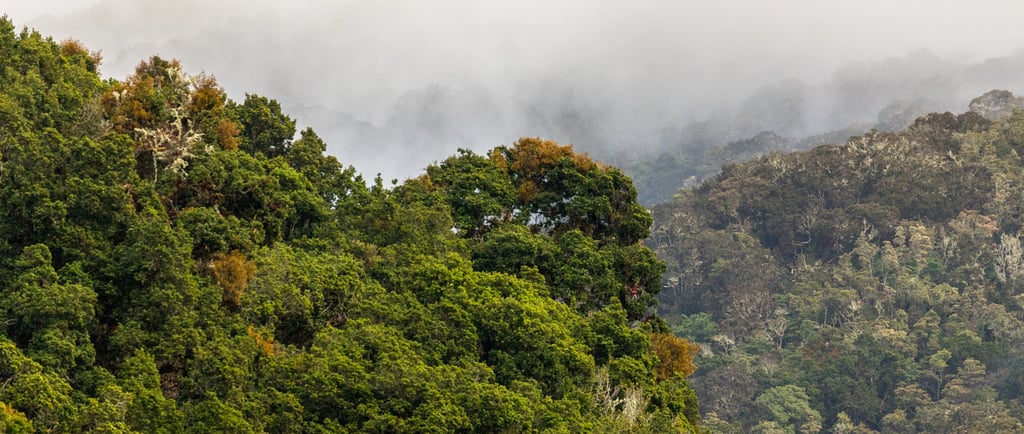
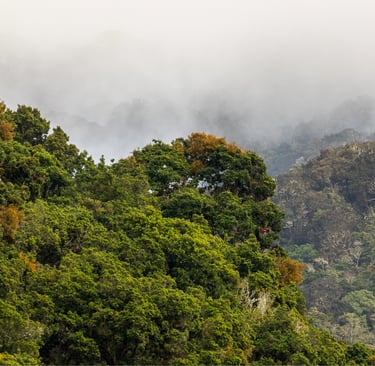
Hidden in the folds of the Savegre River Valley, high in the mountains, this small community feels cool, green, hushed, and deeply alive. The air is softer here. Wetter. Quieter. Moss climbs trees. Rivers run clear and cold. Clouds catch in the forest and turn the trails into something secret.
This is cloud forest travel without the obvious crowd.
The reason many travelers come is the resplendent quetzal, one of the most beautiful birds in the Americas, with emerald feathers, crimson breast, and long tail streamers that make it look less like a bird and more like a forest apparition. But even if you never see one, San Gerardo still works its magic.
Walk slowly along river paths. Follow trails into Los Quetzales country. Watch mist gather in the trees. Eat fresh trout in a mountain lodge. Sleep under blankets while the cloud forest breathes outside.
San Gerardo changes the rhythm of Costa Rica. It is not beachy or loud or tropical in the expected way. It is intimate, bird-haunted, and almost reverent.
Walk here for: cloud forest trails, quetzal watching, river paths, waterfalls, cool mountain air, and a quieter Costa Rica.
Best base: San Gerardo de Dota, with access from San José or as part of a mountain-to-coast route.
4. San Antonio Cuajimoloyas, Mexico
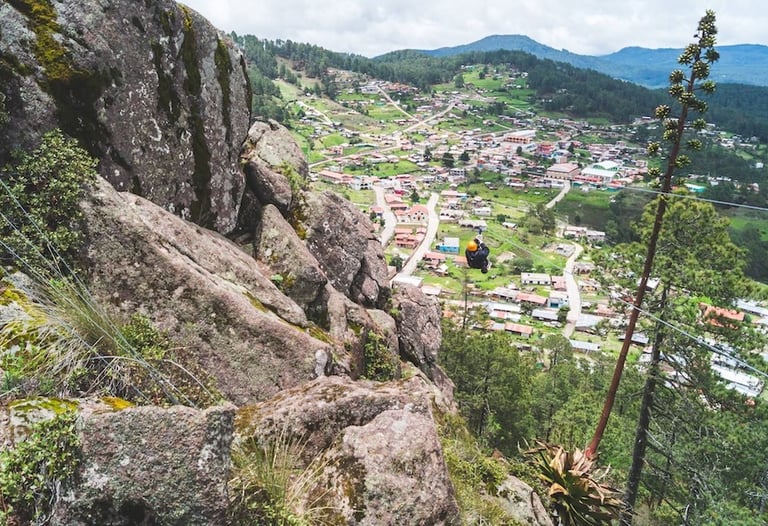
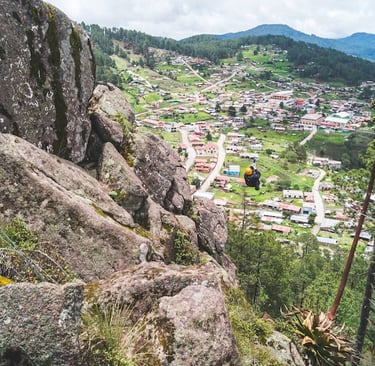
The Oaxacan Mountain Village With Forest Trails And Sky Bridges
San Antonio Cuajimoloyas feels like the side of Oaxaca many travelers do not know to look for.
Far above the city, in the Sierra Norte mountains, this Indigenous mountain community offers pine forests, cool air, hiking trails, wildflowers, agaves, sweeping viewpoints, and community-based ecotourism that feels rooted in place rather than built for spectacle.
This is not the Oaxaca of mezcal bars and colorful city streets. It is Oaxaca in mountain form.
The trails here move through forest and highland landscapes, opening suddenly onto views that make you understand why the village belongs in Lost in the Clouds. There are suspension bridges, zip lines, mountain biking routes, horseback riding, and paths that turn a day trip into something more textured than another pretty overlook.
What makes Cuajimoloyas special is not only the scenery. It is the way the landscape and community experience are tied together. This is a place where walking can support local guides, local meals, forest conservation, and a deeper version of travel than simply “finding a hidden gem” and taking a photo.
The dream here is not delicate. It smells like pine needles, woodsmoke, mountain earth, and food cooked by someone who knows exactly where you are.
Walk here for: forest trails, mountain viewpoints, suspension bridges, community ecotourism, and a cooler, wilder side of Oaxaca.
Best base: Oaxaca City, with a guided day trip or overnight in the Sierra Norte.
5. Piódão, Portugal
The Schist Village That Looks Lit From Inside A Mountain
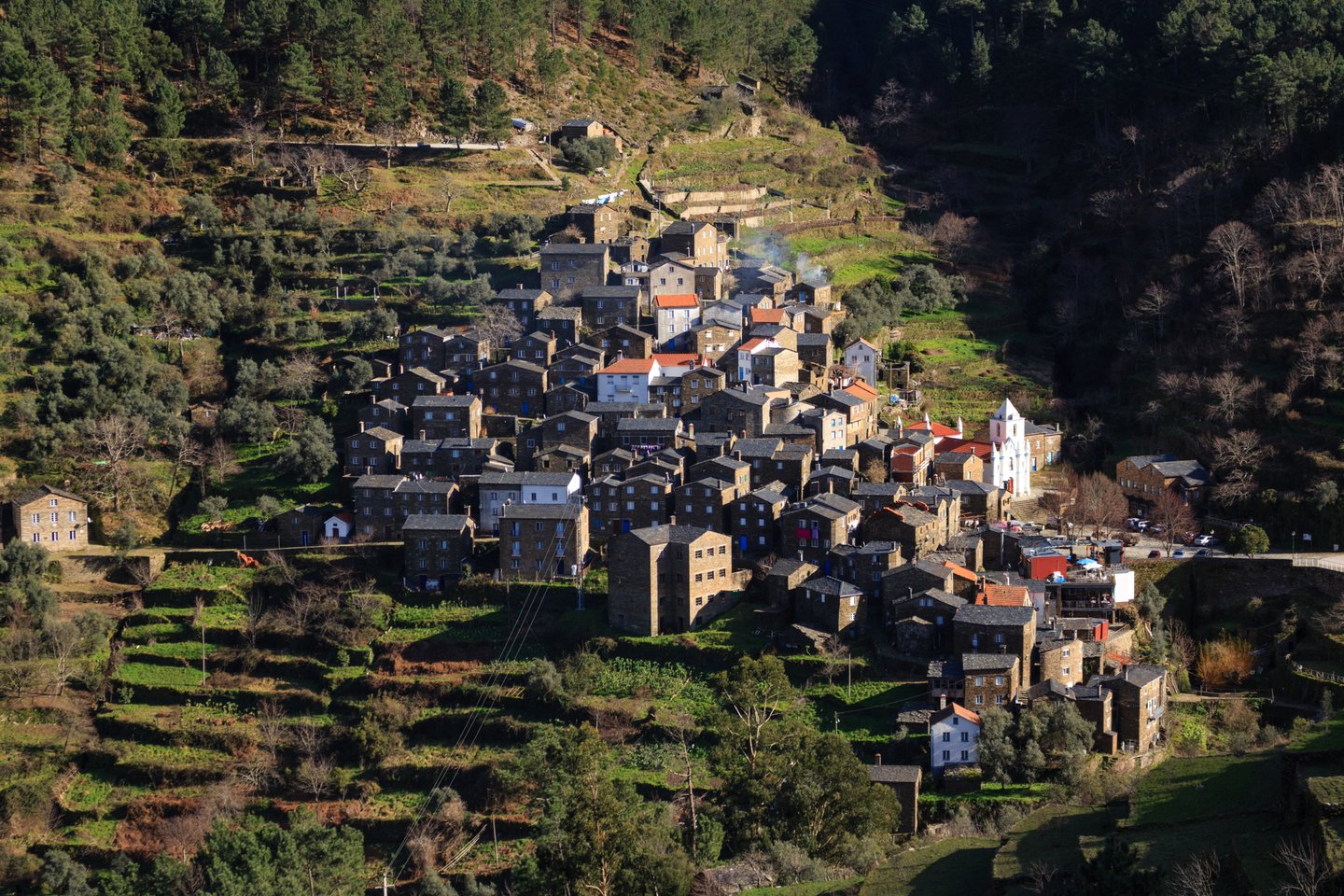
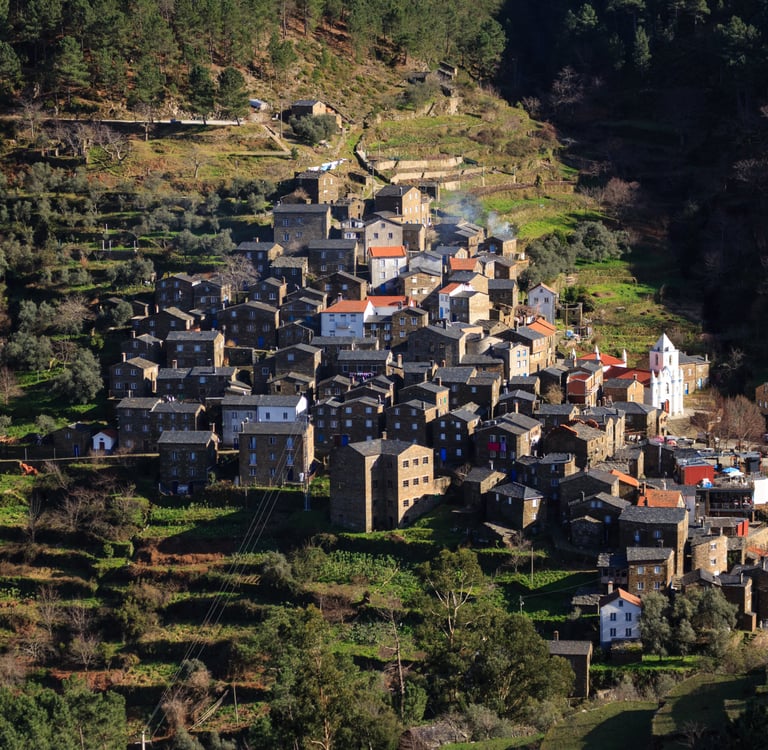
Piódão looks like it was built by people who understood how to disappear beautifully. The village is tucked into the Serra do Açor in central Portugal, its dark schist houses climbing the mountainside in terraces, their slate roofs and blue-painted doors blending into the stone, shadow, and green around them. From a distance, the whole village seems carved from the mountain itself.
It does not have the bright postcard cheer of some European villages. It has something moodier. A little secretive. A little storybook. Almost as if the village is listening.
The magic of Piódão is in the walking. Narrow lanes twist upward. Stone stairs climb between houses. The white church appears suddenly against all that dark rock, like a candle in the middle of a storm. In mist or rain, the whole place feels even more cinematic, the kind of village where you expect a folktale to begin with someone knocking at a blue door.
This is the beauty of Portugal beyond Lisbon, Porto, and the coast.
A mountain village made of local stone.
A place shaped by isolation.
A slow, steep, quiet world worth wandering into.
Walk here for: schist houses, slate lanes, blue doors, mountain mist, steep stairs, and a village that feels half hidden in the landscape.
Best base: Piódão, Arganil, Coimbra, or a route through Portugal’s historic and schist villages.
6. Tà Xùa, Vietnam
The Cloud-Hunting Mountain Where The Sky Falls Below You
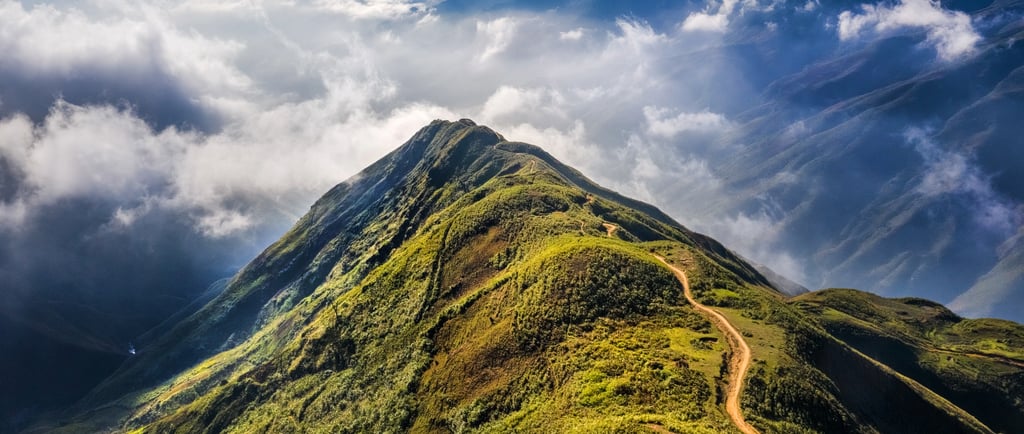
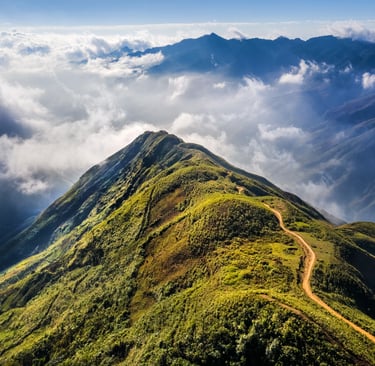
Tà Xùa feels like walking along the back of a dragon while clouds move beneath your feet. In northern Vietnam’s Sơn La province, this mountain region has become known for cloud hunting, especially when thick white cloud inversions fill the valleys and leave the ridges floating above them. The most famous ridge is often called the Dinosaur Spine, which is exactly as dramatic as it sounds: a narrow green crest cutting through a sea of cloud.
This is not the polished mountain fantasy of resort towns. Tà Xùa is rougher, quieter, and more weather-dependent. The roads can be winding. The mist can hide everything. The clouds may come, or they may not. That uncertainty is part of the experience. You cannot demand the dream here. You wait for it.
And when it appears, it feels impossible. Villages sit high in the mountains. Tea fields and ridges roll into the distance. Morning light turns the clouds gold. Travelers stand above the valley as if the world has dropped away and left only sky.
Tà Xùa belongs on this list because the walk is not just through a landscape. It is through a weather event, through a moment that may vanish minutes later.
Walk here for: cloud inversions, ridge trails, northern Vietnam mountain scenery, sunrise viewpoints, and the feeling of standing above a white ocean.
Best base: Bắc Yên, Tà Xùa village, or a northern Vietnam loop from Hanoi.
7. Theth, Albania
The Mountain Village Where The Trail Still Feels Wild
Theth is not polished mountain magic. It is wilder than that.
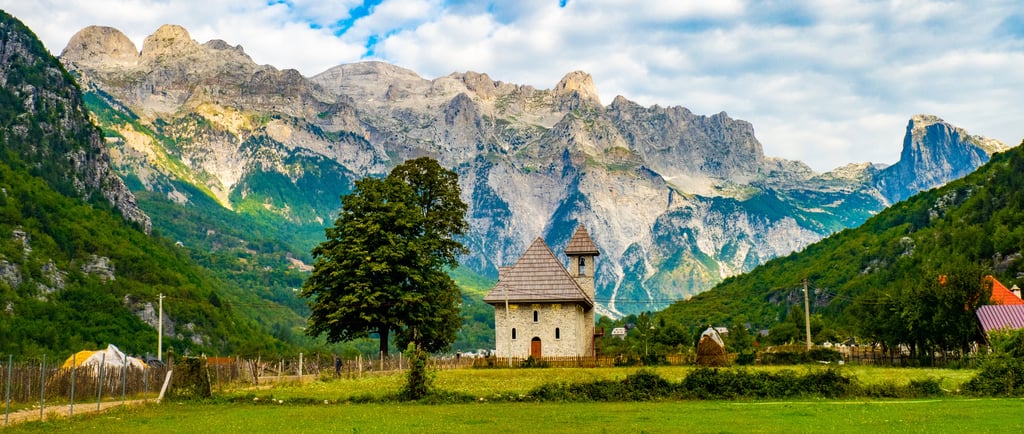
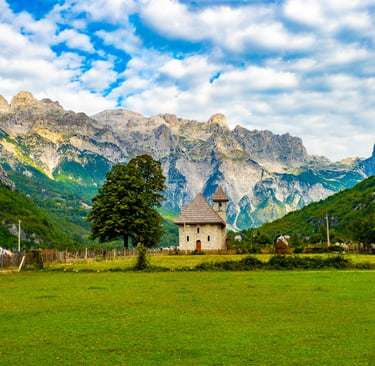
Set in the Albanian Alps, this village is surrounded by sharp peaks, stone houses, rivers, waterfalls, guesthouses, and trails that still feel connected to real mountain life. The scenery is spectacular, but the atmosphere is what lingers: the sound of water, the smell of woodsmoke, the sight of mountains closing around the valley like walls.
Walking in Theth feels less like tourism and more like entering a place that has survived by being difficult to reach. The famous hike between Theth and Valbona gets much of the attention, and rightly so. It crosses dramatic alpine terrain and has become one of the great walking experiences in the Balkans. But Theth itself is worth slowing down for. Walk to Grunas Waterfall. Follow paths near the river. Visit the old lock-in tower. Sit at a guesthouse table after a hike and let the mountains do most of the talking.
Theth is for travelers who do not need every edge smoothed. It feels raw, generous, and beautifully remote.
Walk here for: Albanian Alps scenery, river paths, waterfalls, guesthouses, mountain passes, and the feeling of reaching somewhere that still has teeth.
Best base: Theth, Shkodër, or a larger Albania mountain route including Valbona.
8. Ushguli, Georgia
The Village Of Stone Towers Beneath The Caucasus
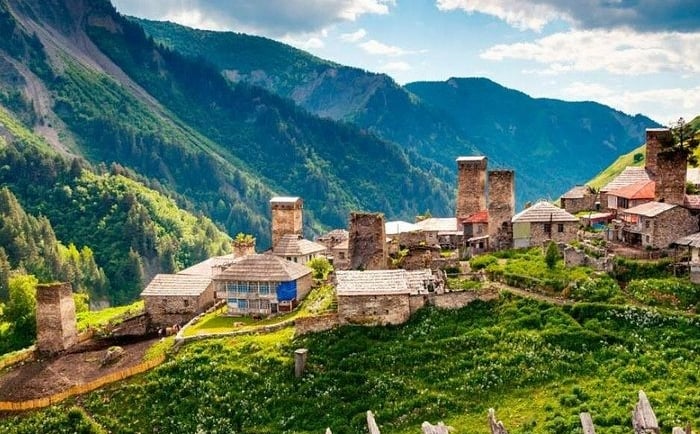
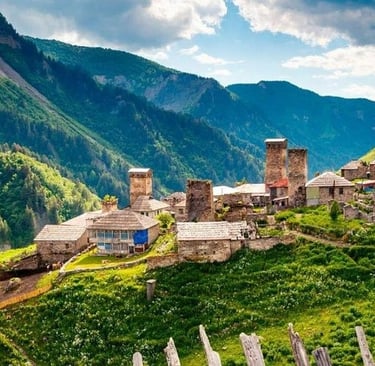
Ushguli feels less like a village and more like something history forgot to take with it. High in Georgia’s Svaneti region, beneath the great wall of the Caucasus Mountains, this community is famous for its medieval stone towers, traditional homes, mountain roads, and landscapes that feel vast enough to humble even the most overconfident traveler.
The towers are the first thing you notice. They rise from the village like guardians, square and weathered, built for defense, storage, status, and survival. Around them, life continues: cows in lanes, dogs sleeping in dust, mountains carrying snow above the rooftops, the Enguri River moving through the valley.
Walking here feels layered. You are not simply walking through pretty scenery. You are walking through a living mountain settlement with a long memory. The past is not locked behind museum glass. It stands in the street.
Ushguli is not easy, and that is part of why it belongs here. Reaching it takes effort. Staying with it takes patience. But when the clouds move over the towers and the mountains appear behind them, the whole place feels like a village built at the edge of legend.
Walk here for: Svan towers, Caucasus views, medieval atmosphere, mountain lanes, remote village life, and one of Europe’s most unforgettable highland settings.
Best base: Mestia, with Ushguli as an overnight or extended mountain visit.
9. Kastraki And Meteora, Greece
The Village Beneath Monasteries In The Sky
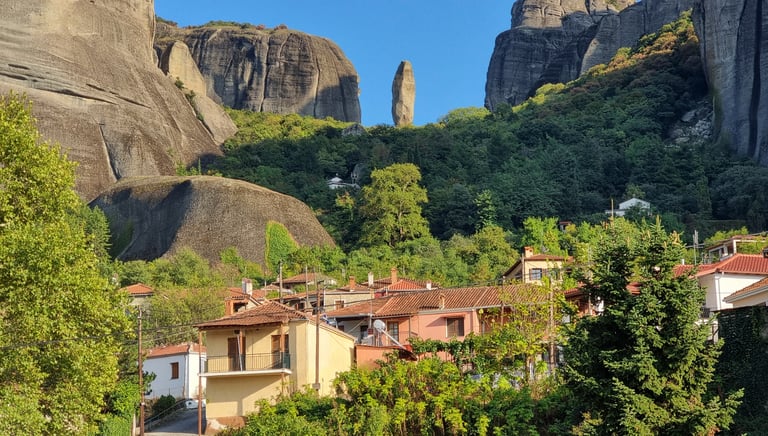
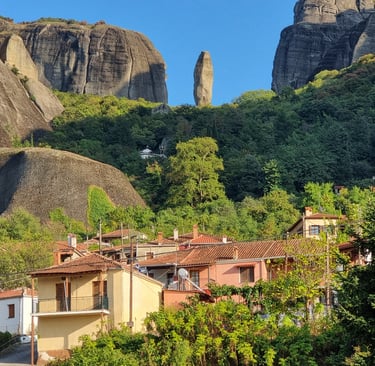
Meteora is famous, but Kastraki is the way to feel it slowly. This small village sits beneath the towering rock pillars of Meteora, where monasteries cling to cliffs and stone columns rise from the Thessalian plain like something left behind by giants. From Kastraki, the landscape feels close, intimate, and almost protective. The rocks do not sit in the distance. They loom above the lanes, tavernas, gardens, and rooftops.
The dream here is vertical. You walk from village streets toward stone towers. Paths curve between rocks. Monasteries appear on impossible ledges. In morning mist or late light, the whole scene feels suspended between geology and prayer.
The best way to experience Meteora is not to rush from monastery to monastery in a blur. Stay in Kastraki. Walk. Watch the rocks change color. Visit fewer monasteries more slowly. Let the scale build around you until the place begins to feel less like a sight and more like a presence.
Meteora asks you to look up. Kastraki lets you arrive on foot.
Walk here for: monastery paths, cliff views, village lanes, sunrise or sunset walks, and the feeling that stone itself became spiritual.
Best base: Kastraki or Kalambaka.
10. Mindo, Ecuador
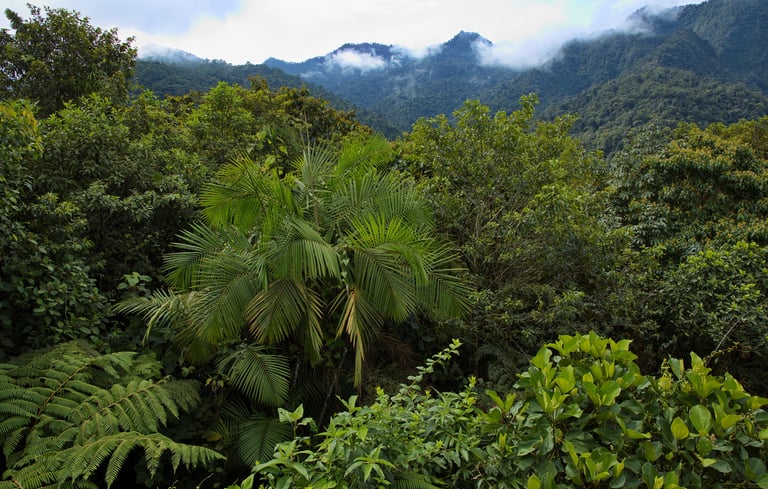
The Cloud Forest Town Of Hummingbirds, Waterfalls And Green Silence
Mindo is a small town wrapped in green. Set in Ecuador’s cloud forest northwest of Quito, it is known for birds, butterflies, waterfalls, rivers, orchids, and trails that slip into wet, living forest. It is no longer completely unknown, but it still feels like a softer, stranger alternative to the big-ticket Ecuador trip built only around the Galápagos or the Andes’ most famous stops.
Mindo’s magic is close and fluttering. A hummingbird flashes past your shoulder. A butterfly opens like stained glass. Water rushes somewhere below. The forest drips. Fog gathers on leaves. Trails lead to waterfalls that feel hidden even when other travelers are nearby.
This is one of the best places on the list for travelers who want the dream to feel alive rather than ancient. Mindo moves. It buzzes. It sings. It rains. It grows around you.
Walk to waterfalls. Visit a butterfly garden. Sit with coffee while birds move through the trees. Take a slower day than your itinerary thinks you need.
Mindo is proof that clouds do not only belong to mountains. Sometimes they grow forests.
Walk here for: cloud forest trails, waterfalls, hummingbirds, butterflies, birdwatching, and lush green quiet.
Best base: Mindo, or a long day trip from Quito if you are short on time.
11. San Marino Old Town And Mount Titano
The Tiny Republic That Feels Like A Medieval Walk In The Sky
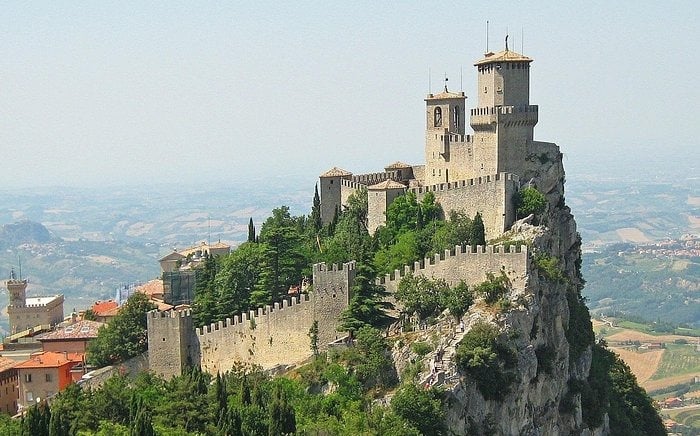
San Marino feels like someone built a storybook republic on a mountain and then forgot to tell enough people about it. Its historic center sits on Mount Titano, with stone lanes, towers, walls, gates, bastions, sweeping viewpoints, and rooftops that drop away toward the Italian countryside. It is not exactly unknown, but it is often treated as a quick check-the-country-off stop instead of the walking dream it can be.
Slow down, and San Marino changes. The path between the towers is the heart of it. Guaita, Cesta, and Montale crown the ridge like pieces from an old legend. Walk the stone passages, climb toward the viewpoints, and the world falls away on both sides. On cloudy days, the towers can feel almost theatrical, rising above mist with the confidence of a place that has been guarding itself for centuries.
This is not a cloud forest or an alpine village, but it belongs in Lost in the Clouds because it gives that same suspended feeling: a high place, a small historic world, and a walk that makes the everyday seem very far below.
Walk here for: medieval towers, ridge paths, high views, stone lanes, and a tiny republic that feels bigger in the imagination than on the map.
Best base: San Marino City, Borgo Maggiore, Rimini, or a slow Emilia-Romagna and Marche route.
12. Kōyasan, Japan
The Mountain Temple Town Where The Forest Feels Awake
Kōyasan is not dreamy in a bright, whimsical way. It is deeper than that.
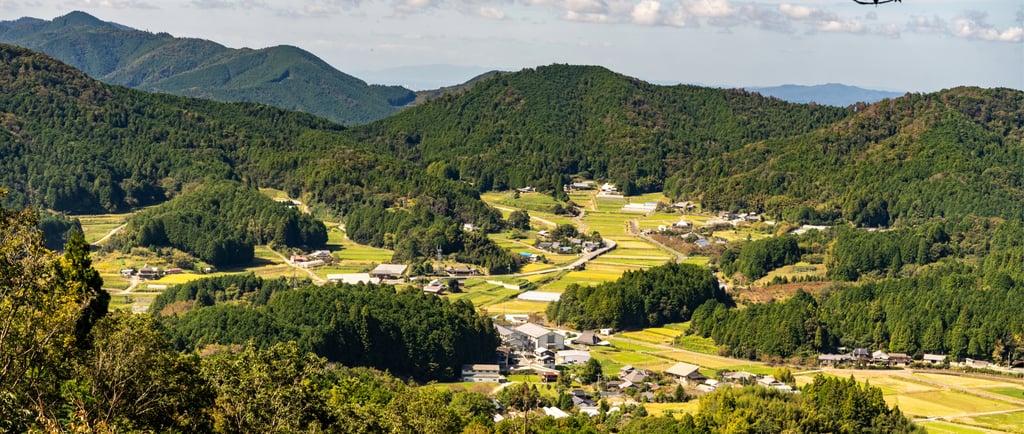
Set on Mount Kōya in Wakayama Prefecture, this sacred temple town is one of Japan’s great spiritual landscapes, surrounded by cedar forests, mountain roads, temple lodgings, moss, stone lanterns, and paths that feel older than ordinary time.
The walk through Okunoin is the one that stays with you. A long stone path passes beneath towering cedars, through one of Japan’s most atmospheric cemetery landscapes, toward the mausoleum of Kōbō Daishi. Lanterns, moss-covered graves, statues, roots, shadows, and filtered light turn the walk into something quietly overwhelming. It does not feel like sightseeing. It feels like entering a place where silence has been practiced for centuries.
Stay overnight in a temple if you can. Wake early. Hear morning prayers. Walk before the day visitors arrive. Let the forest hold the edges of the town.
Kōyasan belongs on this list because it proves dreamlike places are not always soft. Some are sacred. Some are solemn. Some feel like the world has lowered its voice out of respect.
Walk here for: cedar paths, temple stays, mossy graves, mountain stillness, morning rituals, and one of Japan’s most unforgettable spiritual walks.
Best base: Kōyasan, with access from Osaka or Kyoto.
How To Walk Through These Places Without Ruining The Magic
The secret is not to treat them like errands.
Dreamlike places need space. They need weather, delay, fog, silence, and time you did not assign a purpose to. Choose fewer stops. Stay overnight when you can. Walk early or late. Let the village wake up before the tour buses arrive. Bring shoes that can handle stone, mud, stairs, and ambition. Pack layers, because high places and cloud forests change their minds quickly.
Most of all, do not demand perfection.
The clouds may hide the view.
The trail may be muddy.
The mist may arrive late.
The village may be quieter than expected.
The dream may not look exactly like the photo.
That is fine.
The best places in the clouds are not always postcard-perfect. Sometimes they are better than that. They are damp, steep, strange, quiet, and alive.
The Point Is To Keep Walking
There are places you visit. And then there are places you walk into, one step at a time, until you realize the world has changed around you.
A bridge to a cliffside village.
A cable car into the Alps.
A trail through a cloud forest.
A ridge above a sea of clouds.
A path beneath monasteries.
A stone lane in a mountain village.
A cedar road toward a sacred forest.
These places remind us that travel does not always need to be loud to be unforgettable. Sometimes it is quiet. Sometimes it is slow. Sometimes it is one foot in front of the other, following a path that seems to know something you do not.
And then suddenly, there it is.
A village in mist.
A forest in cloud.
A tower in the sky.
A trail that feels like it was waiting for you.
You keep walking. And for a little while, the world feels softer than it did before.
Explore
Discover hidden gems in small cities worldwide.
© 2025. All rights reserved. Ripe Melland Media