Stop scrolling and start visiting

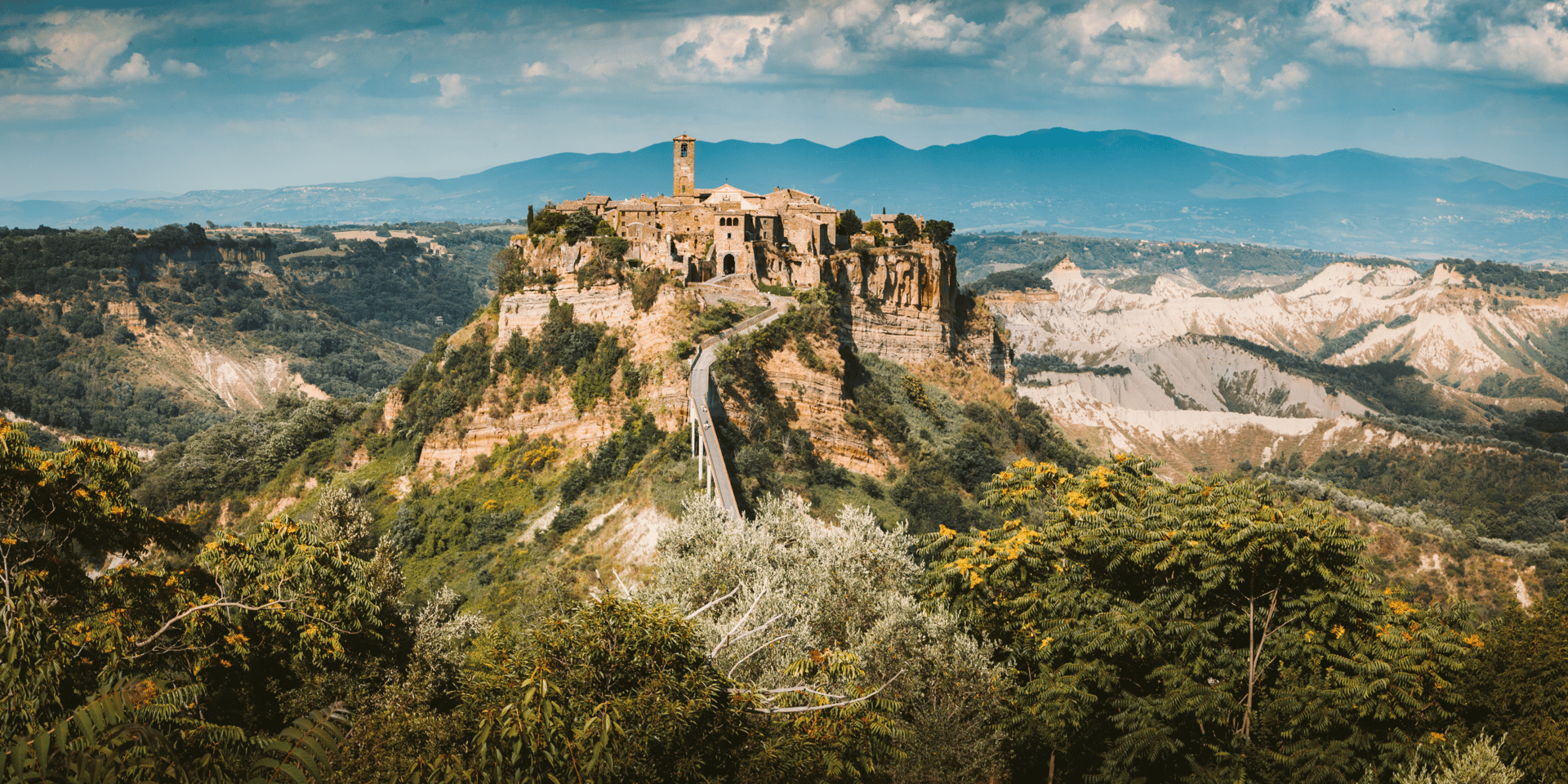
The City That’s Disappearing: Discover Italy’s Stunning Hilltop Ghost Town Before It Vanishes
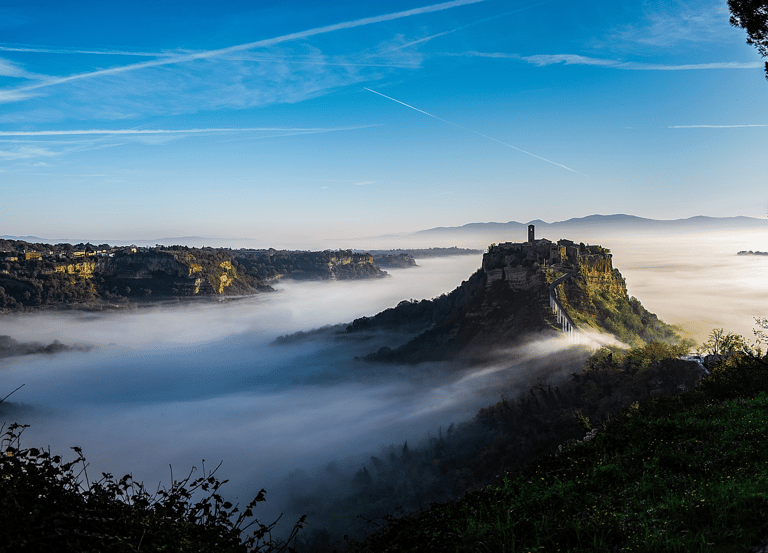
Civita di Bagnoregio, Italy, is a surreal medieval village perched on a crumbling hilltop, known as “the dying city” for its slowly eroding cliffs, haunting beauty, and rare, magical atmosphere that feels untouched by time.
Quick Snapshot
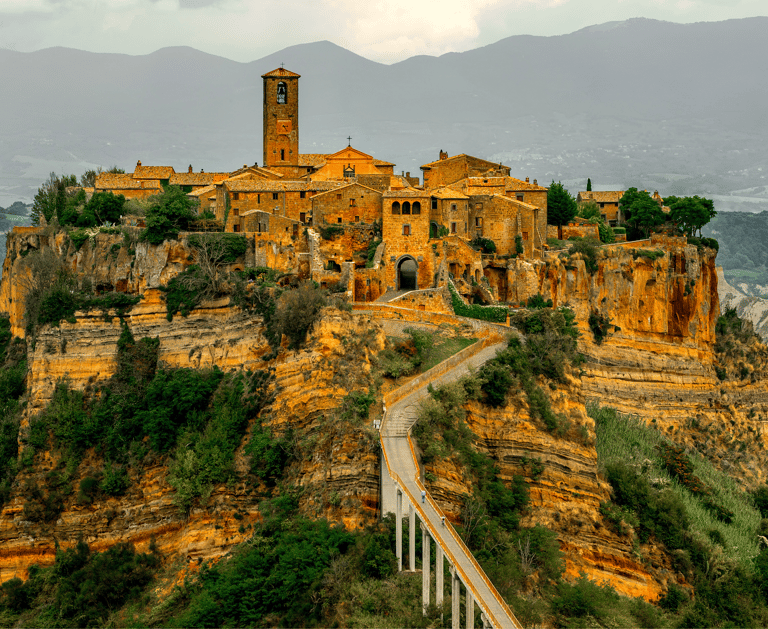
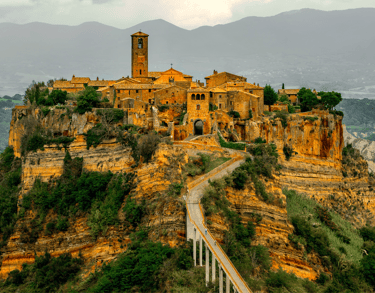
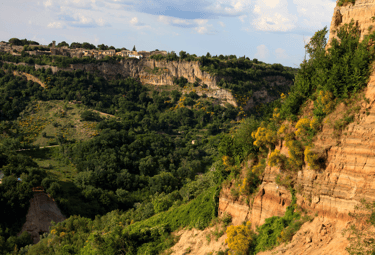
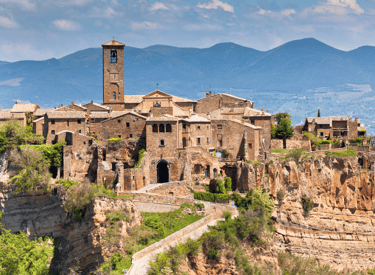
Civita di Bagnoregio is a breathtaking medieval hilltown balanced atop a fragile plateau of volcanic rock in central Italy. With its ivy-draped stone buildings, winding cobblestone streets, and panoramic views of the Lazio countryside, this hidden gem offers a journey back in time — with a catch: it’s slowly vanishing.
Best Time to Visit
Spring (April–June) and early Autumn (September–October) offer mild weather, blooming wildflowers, and fewer crowds.
Budget Range
Civita di Bagnoregio caters to day-trippers and overnight romantics alike, with pricing that ranges from budget-friendly countryside inns to luxurious agriturismos nestled in the rolling hills of Lazio.
Budget Travelers (€50–€80/day):
Stay in affordable B&Bs or guesthouses in Bagnoregio, grab pizza or panini from local cafes, and enjoy walking the village and scenic viewpoints for free.Mid-Range Travelers (€120–€200/day):
Choose charming boutique hotels with countryside views, enjoy multi-course dinners in traditional osterias, and book guided walking tours or wine tastings nearby.Luxury Travelers (€300+/day):
Stay in restored stone villas or luxury agriturismos with panoramic terraces, enjoy private tours of the Tuscia region, and indulge in gourmet dining with local wines and white truffles.
Why Visit?
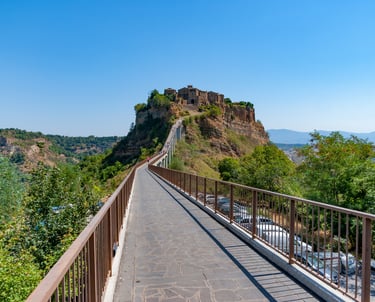
Nicknamed “La città che muore” (the dying city), Civita di Bagnoregio is a must-see for travelers seeking untouched history, cinematic vistas, and ghost-town charm. Its dramatic isolation, accessible only by a pedestrian footbridge, makes every visit feel like a secret passage through time.
Where to Stay
Though Civita itself has very limited accommodations due to its size and preservation efforts, the surrounding areas offer excellent places to stay within walking or driving distance.
Historic Civita (Inside the Pedestrian Zone):
Best for romance and history lovers. A few rare boutique guesthouses exist inside the village itself — perfect for those who want to wake up surrounded by ancient stone and silence.Bagnoregio Town (Just Outside the Footbridge):
A practical base with a wider range of accommodations, cafes, and shops. Great for budget to mid-range travelers who want walkable access without the limitations of staying inside Civita.Tuscia Countryside (Surrounding Areas):
Ideal for those with a car. Stay in beautifully restored farmhouses, vineyards, or luxury agriturismos with sweeping views, pools, and spa services. Quiet, scenic, and deeply romantic.Lake Bolsena Area (25 minutes away):
For travelers who want a lakeside escape with easy day-trip access to Civita. Accommodations range from budget guesthouses to lakefront resorts.
Weather Overview
Civita enjoys a typical central Italian climate with warm summers, cool winters, and comfortable spring and fall seasons.
Spring (March-May): 60–75°F (15–24°C); lush, green, and blooming.
Summer (June-August): 80–95°F (27–35°C); dry heat, ideal for sunset views.
Fall (September-November): 60–80°F (15–27°C); golden light and crisp air.
Winter (December-February): 40–55°F (5–13°C); misty, quiet, and romantic.
Local Language and Common Phrases
Language: Italian. Many locals speak some English, especially those working in tourism.
Hello – Ciao / Buongiorno
Thank you – Grazie
Excuse me / Sorry – Mi scusi
How much does this cost? – Quanto costa?
Where is the best viewpoint? – Dove si trova il miglior punto panoramico?
Can I pay with a card? – Posso pagare con carta?
Currency & Payment Options
Italy uses the Euro (€). Most restaurants, shops, and accommodations accept credit cards (Visa, Mastercard), but it’s wise to carry cash for small vendors or cafes in Civita.
ATMs: Available in Bagnoregio (main town before the footbridge).
Mobile Pay: Apple Pay and Google Pay are accepted at many tourist spots.
Tip: Always carry some coins for entrance tolls and small purchases.
Time Zone
Central European Time (CET) – UTC +1
Daylight Saving Time (March–October): UTC +2
Tipping Etiquette
Tipping is appreciated but not obligatory. Round up the bill or leave 5–10% in restaurants. At cafes or casual spots, €1–2 is plenty.
Visa Requirements & Entry Rules
U.S., UK, Canada, Australia, and most EU countries: No visa required for stays up to 90 days.
Passport: Must be valid for at least 6 months beyond your stay.
Tip: Civita requires a small entrance fee (~€5) to support preservation efforts. It’s collected before you cross the footbridge.
Packing Tips and What to Wear
The terrain is cobblestoned and hilly — pack accordingly!
Comfortable walking shoes (you’ll be walking the footbridge!)
Light, breathable clothing for summer
A light jacket or sweater for evenings
Umbrella or rain jacket in spring
Crossbody bag or small backpack (no rolling luggage — the roads are uneven!)
Amazing History
Civita di Bagnoregio is a city born from both beauty and doom — a haunting masterpiece sculpted by time and erosion. Founded by the ancient Etruscans over 2,500 years ago, this small hilltop town once thrived as a bustling trade and spiritual hub, perched high above the Tiber River Valley on a fragile plateau of volcanic tuff. The Etruscans, masters of engineering and mysticism, carved the original roadways, drainage systems, and tombs that still whisper their legacy through the stones beneath the village.
When the Romans took control, Civita flourished further, with aqueducts and temples woven into its sacred hill. But the town's fate was always tied to its earth — and the earth, it turns out, was destined to slip away. Over centuries, relentless erosion, landslides, and seismic tremors began to fracture the cliffs below, severing Civita from surrounding towns and turning it into a literal island in the sky.
By the 16th century, the town’s population began to dwindle. Bridges collapsed, homes crumbled, and eventually, Civita earned its nickname: “La città che muore” — The Dying City. Today, just a handful of residents remain, but its soul is very much alive. With every echo on the narrow stone streets and every archway draped in ivy, Civita tells a story — of survival, of silence, of timelessness.
Rather than vanish, Civita has become a monument to impermanence — frozen in amber, suspended in beauty, and visited by travelers from around the world who climb its footbridge not just to see it… but to feel it.
Fun Facts
It’s Only Accessible by Foot:
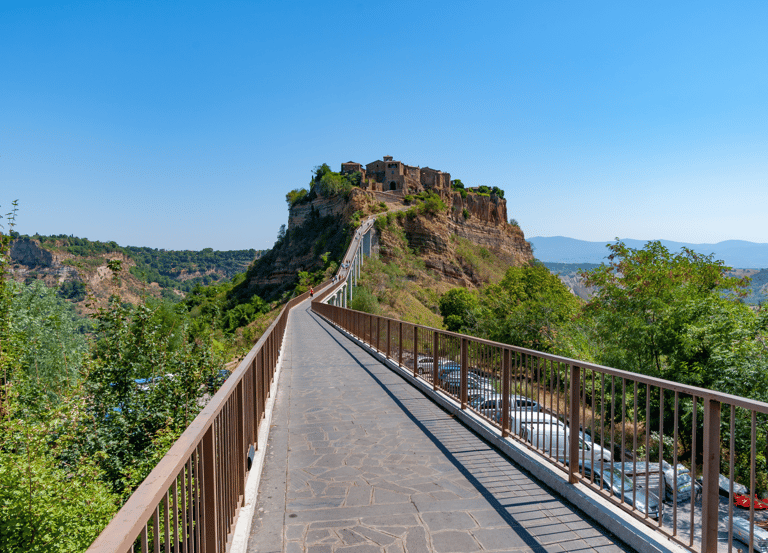
The only way to reach Civita is by crossing a dramatic 984-foot-long pedestrian bridge suspended over a deep valley. No cars, no noise — just your footsteps echoing through time.Hayao Miyazaki Was Inspired by It:
The famed Studio Ghibli creator drew inspiration from Civita’s ethereal beauty for the floating island in Castle in the Sky, capturing the essence of a world suspended in decay and wonder.The Population is… Around 10:
Despite thousands of visitors each year, Civita has fewer than 15 full-time residents — most of them elderly, fiercely devoted to preserving the town's spirit.Saint Bonaventure Was Born Here — Kind Of:
The influential 13th-century philosopher and theologian Saint Bonaventure was born in Civita, but his family home (like much of the village) slid off the cliff centuries ago.It Charges an Entrance Fee:
To preserve the town and slow its erosion, visitors pay a small entrance fee — making Civita one of the few Italian towns with a literal toll for time travel.It Was Nearly Lost to History:
In the 20th century, Civita was almost completely abandoned. It took a massive restoration effort — and a sudden boom in tourism — to breathe life back into its crumbling walls.Movies & Fashion Shoots Love It:
Civita’s haunting beauty and golden hour glow have made it a backdrop for Italian films, global fashion campaigns, and wanderlust-fueled Instagram reels.It’s on Italy’s List of “Most Beautiful Villages”
Civita is officially recognized by I Borghi più belli d’Italia — a curated list of Italy’s most beautiful and historically significant villages.It Has No ATM, Grocery Store, or Pharmacy:
Civita operates like a time capsule — there are a few cafes and guesthouses, but no modern conveniences. Even basic supplies must be hauled in by hand.The Soil is Still Shifting Beneath It:
Despite modern engineering efforts, the town continues to slowly erode — meaning every visit might be the last time you see it quite the same.


Weird & Unique Things in Paraty
Civita di Bagnoregio isn’t just a crumbling beauty — it’s a surreal world of eerie silences, vanishing paths, and strange encounters that feel ripped from a dream.
The Vanishing Footpath
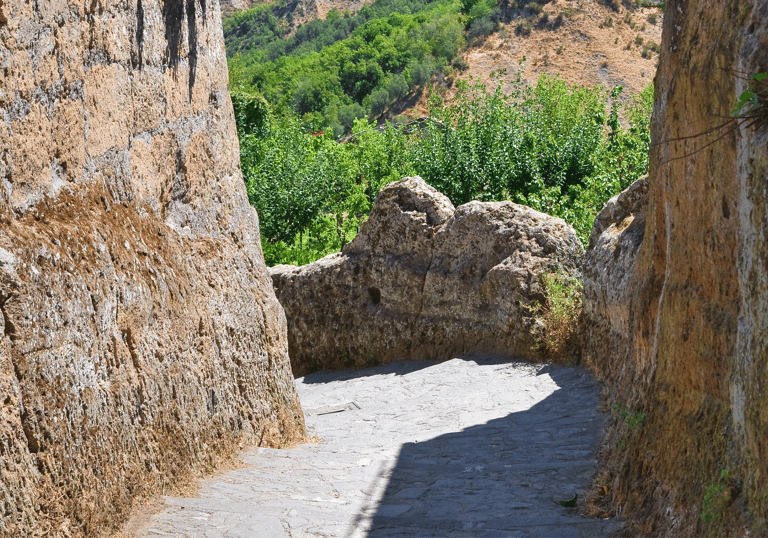
Before the concrete bridge, the only path to Civita was a natural land ridge — now lost to erosion. Locals call it the “ghost road,” a reminder that the earth here literally swallows history.
Volcanic Clay That Eats the City
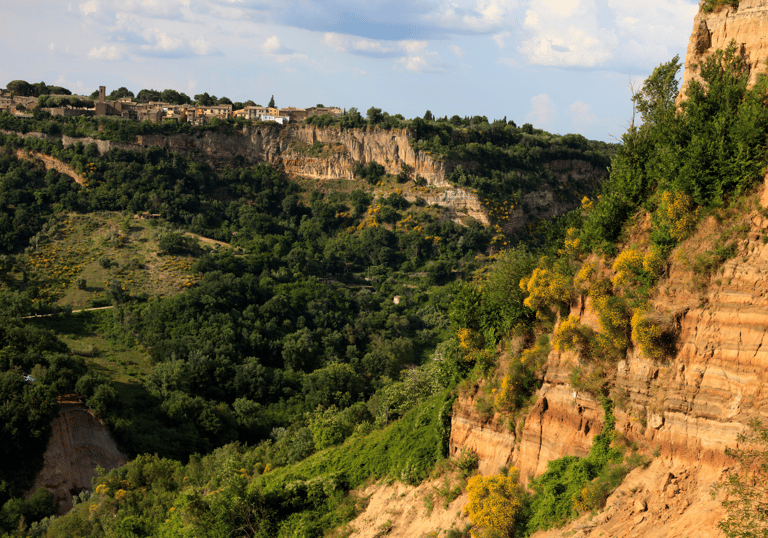
The village sits atop soft volcanic tuff and clay that erodes dramatically — swallowing gardens, walls, and entire homes. It’s like the land itself is trying to reclaim its secrets.
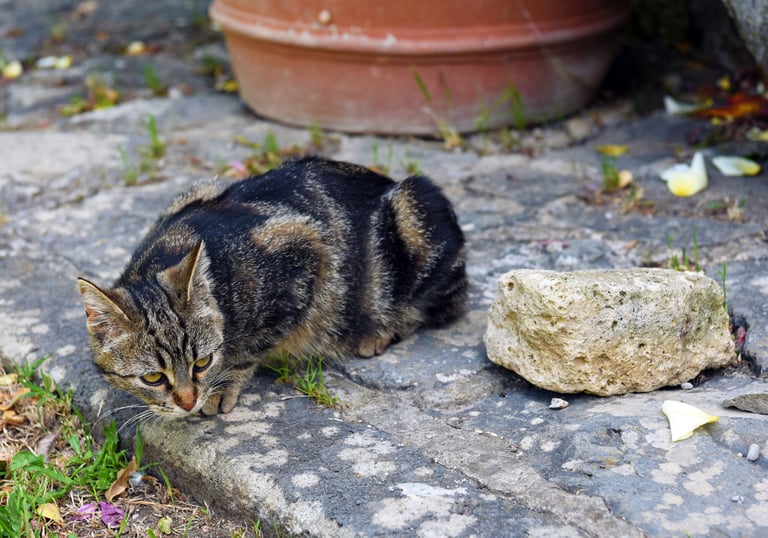
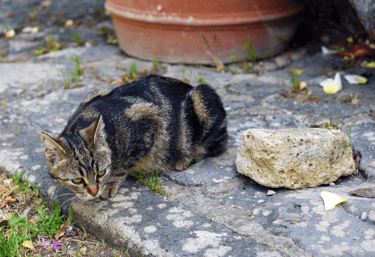
Despite the lack of full-time residents, Civita is home to a population of well-fed, eerily calm cats. Locals believe they’re “guardians of the dying city,” always watching, never straying far from the stone gates.
Civita’s Stray Cats That Never Leave
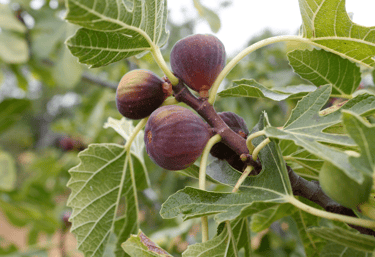
The Whispering Figs of Civita
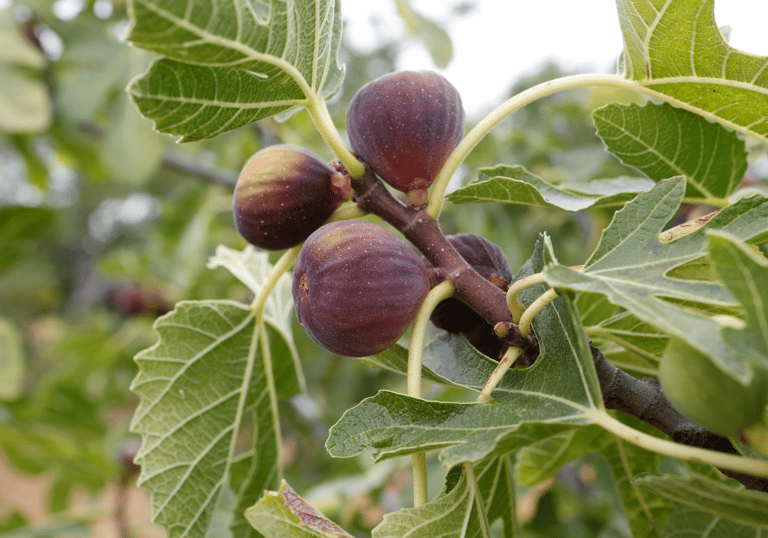
Fig trees grow directly from the cracks of crumbling walls and cliff edges, roots defying gravity. Some believe they “whisper”—a sign that whatever wall they’ve claimed may be the next to fall.
The Salamander That Survives Landslides
The elusive Italian Fire Salamander, black with electric yellow spots, thrives in Civita’s damp ruins. Appearing after rains and landslides, it’s seen as a symbol of mystery and resilience in a place always on the edge.


“The Bleeding Walls” After Rain
Heavy rains cause Civita’s stone walls to ooze red and brown streaks—iron oxide bleeding through ancient rock. Locals call them “tears of the city,” especially striking against the pale stone.
A Church Without a Bell Tower
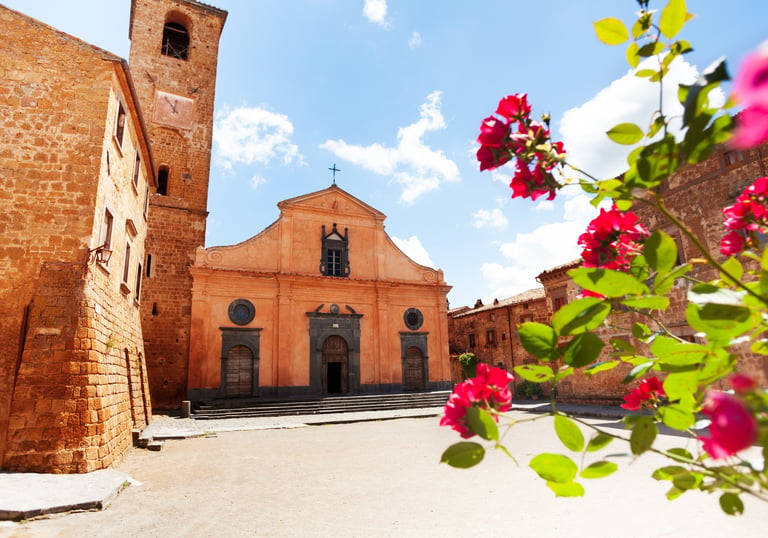
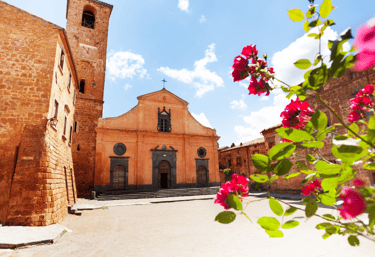
The village church, San Donato, once had a towering bell spire until an earthquake brought it down. It was never rebuilt—locals say that sometimes, late at night, the phantom bells still ring.
The Swallow Highways in the Sky
Each migration season, swallows swarm the skies above Civita, twisting and diving in fluid motion. Some visitors say they look like spirits, drawn back to this sacred patch of earth.


Medieval Doorways That Go Nowhere
Civita is full of doors that open into thin air—leftovers from homes that partially collapsed. Some are adorned with flowers, as if still waiting for someone who will never return.
The “Breathless Zone” Silence
There are no cars, no engines, no modern noise in Civita. The silence is so absolute, it feels like the village holds its breath. Many visitors say it’s the quietest place they’ve ever been.
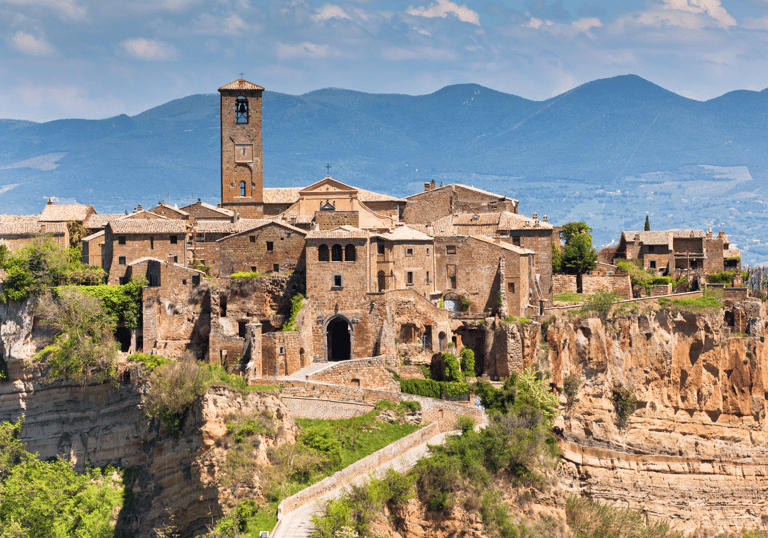
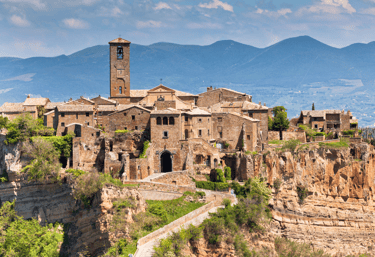
Civita di Bagnoregio isn’t just a village you explore—it’s a suspended dream, where crumbling stone and silent skies hold the last whispers of a world slipping quietly into legend.
Hotels
Budget
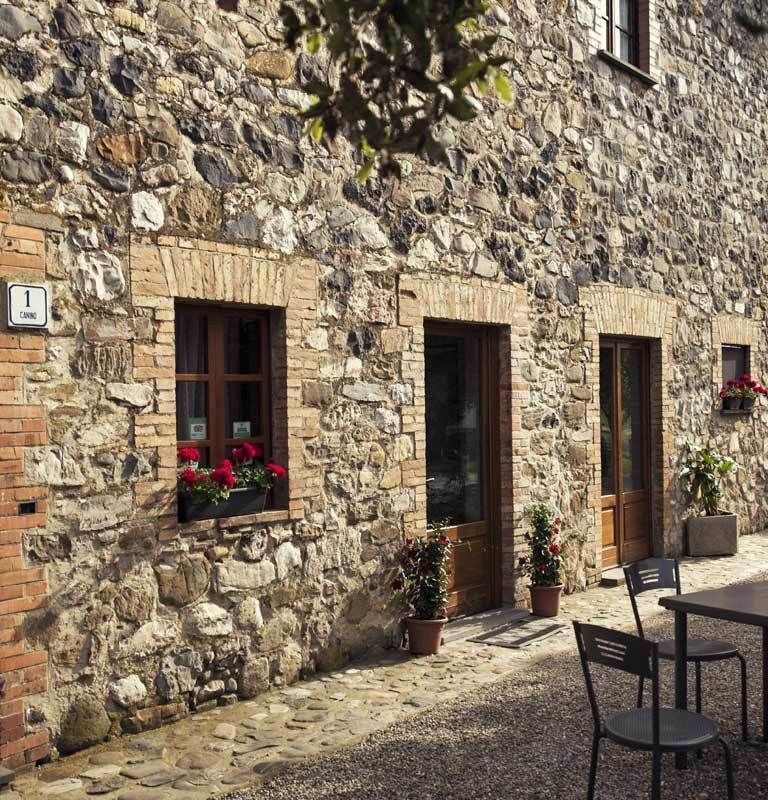
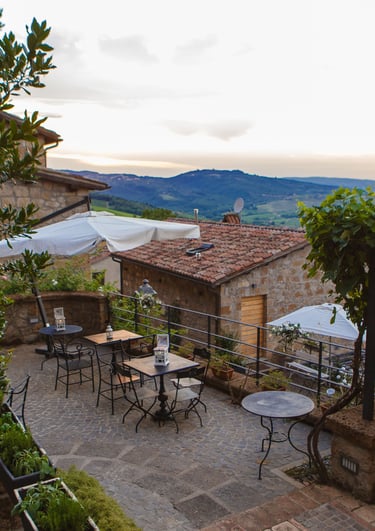
Agriturismo Pomonte – A peaceful countryside agriturismo near Orvieto surrounded by rolling Umbrian hills.
Where to Stay
Mid-Range
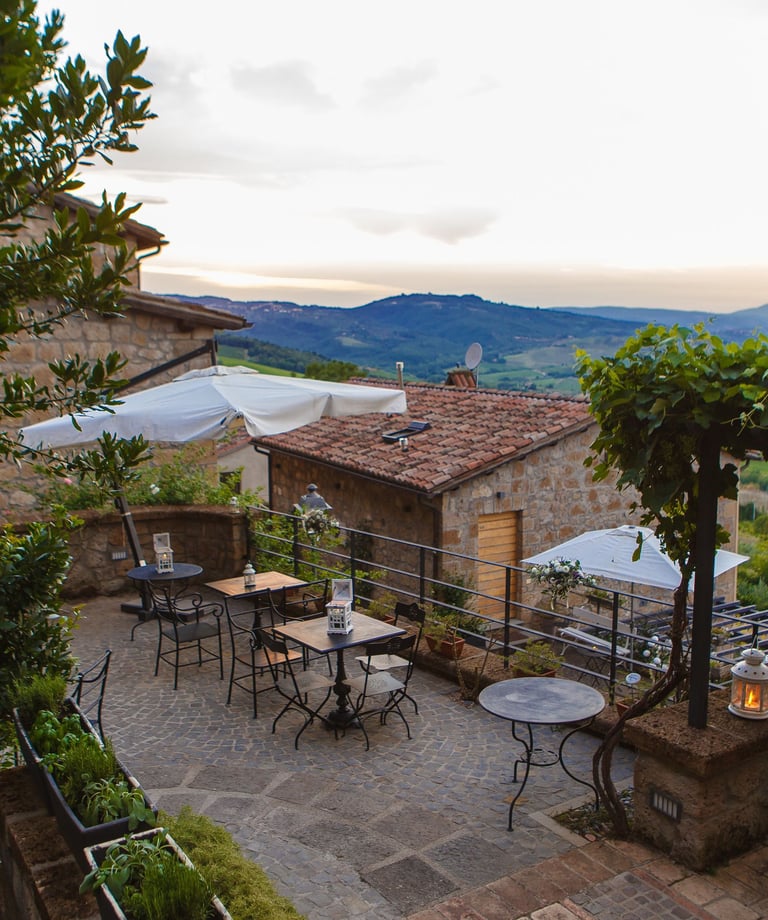
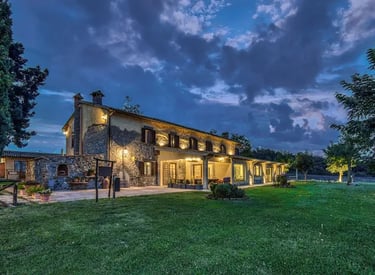
Misia Country Resort – Elegant countryside retreat with panoramic views near Civita di Bagnoregio.
Luxury
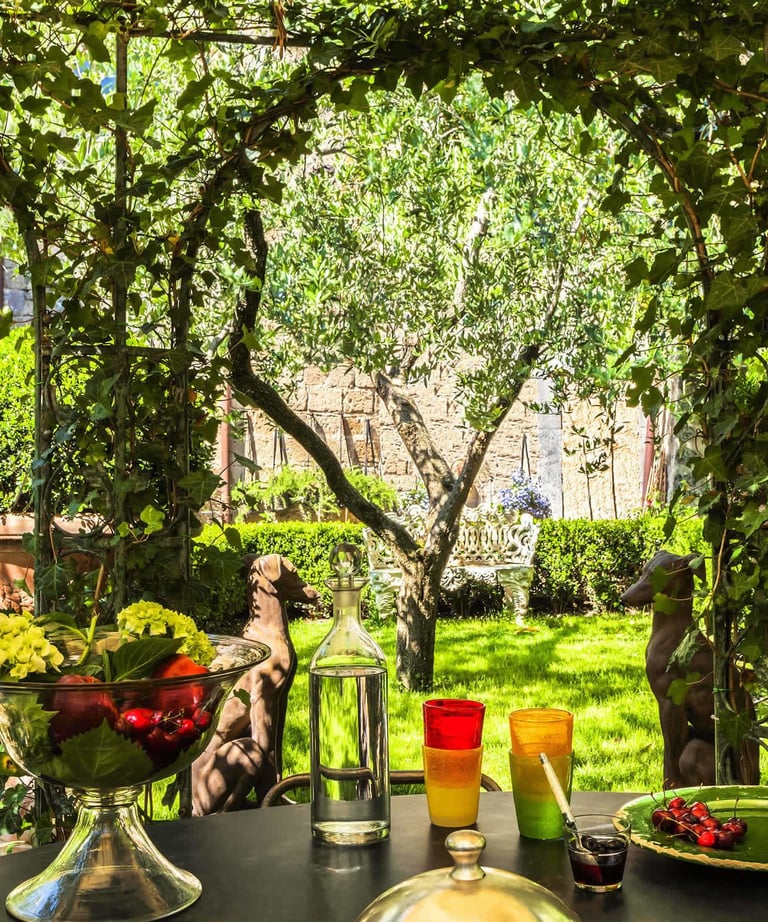
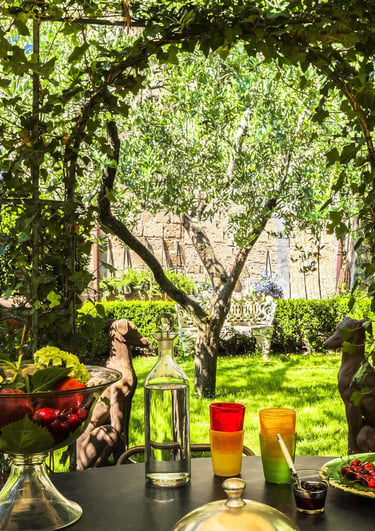
Corte della Maestà – An exquisite retreat featuring elegantly decorated suites, a serene garden, and personalized service.
While Civita itself offers limited accommodations due to preservation efforts, the surrounding area provides a range of options from budget-friendly guesthouses to romantic countryside retreats.
Civita di Bagnoregio Packing & What to Wear Checklist
Comfortable walking shoes with grip (no stilettos on that bridge)
Breathable layers for changing temps — mornings are cool, afternoons warm
Light jacket or cardigan (even in summer, the hilltop breeze can chill)
Chic casual outfits for village dinners — think linen, neutrals, and scarves
Sunhat or cap for mid-day walks, especially spring through early fall
Stylish but sturdy boots or sneakers in colder months
Clothing (Based on Season & Activities)
Gear & Essentials
Daypack or crossbody bag (you’ll be walking a lot)
Reusable water bottle
Sunglasses
Travel umbrella or raincoat (especially in spring and autumn)
Portable phone charger
Camera or smartphone with good low-light settings (sunsets here are next level)
Light toiletries — the B&Bs are cute, but not always stocked
Euros in cash — some small cafés and shops don’t take cards
Travel journal — this village stirs something deep
Extras
Plug adapter (Type C, E, or F for Italy)
Snacks or picnic supplies — perfect for scenic lookouts
A paperback book or poetry for reading in silence
Dramamine if you’re prone to motion sickness on hilly roads
Civita is cobblestone-heavy, wind-swept, and extremely photogenic. Dress for medieval terrain and moody elegance.
Best Neighborhoods for Tourists
Civita di Bagnoregio’s lodging zones offer drastically different vibes — from sleeping inside a crumbling fairytale to relaxing in vineyard-draped countryside. Here’s where to stay based on your travel style:
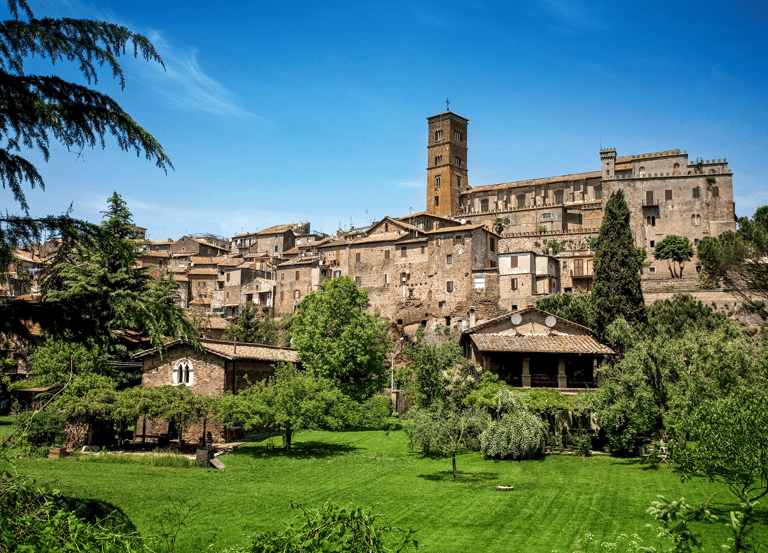
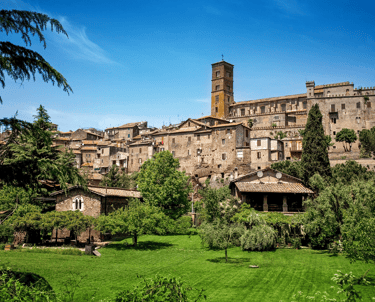
Bagnoregio Town (Bridge Access Point)
Walkable and practical. This is where you’ll find restaurants, shops, and a range of guesthouses just steps from the footbridge. Great for budget travelers, families, and those who like convenience.
Tuscia Countryside
Peaceful, panoramic, and rustic-luxurious. Stay in agriturismos or vineyard villas surrounded by olive groves and silence. Ideal for couples, road-trippers, or travelers who want space, nature, and privacy.
Historic Civita (Inside the Bridge)
Quiet, surreal, and candlelit. Staying here feels like time-travel — no cars, just cobblestone silence and ancient stone rooms. Perfect for romantic travelers and minimalists craving soul over amenities.
Best Things to Do in Civita di Bagnoregio
Civita di Bagnoregio is packed with dramatic landscapes, ancient tunnels, and quiet moments that feel pulled from another century.
Must-See Landmarks in Civita di Bagnoregio
From ancient churches and crumbling archways to panoramic viewpoints and stone gates, Civita di Bagnoregio’s most iconic landmarks are steeped in beauty and timeworn mystery.
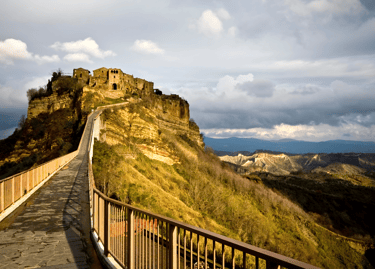
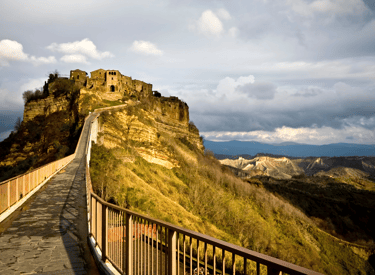
The Pedestrian Bridge
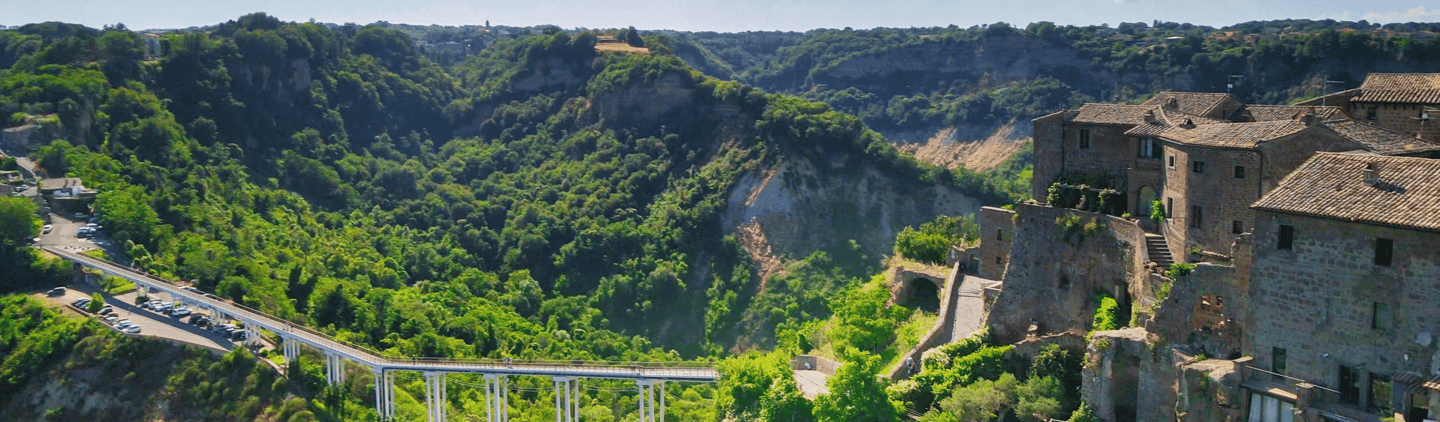
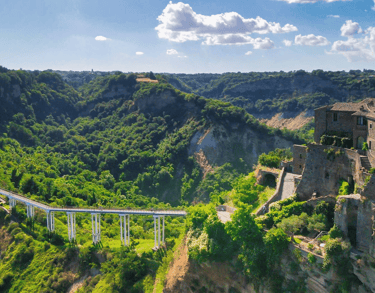
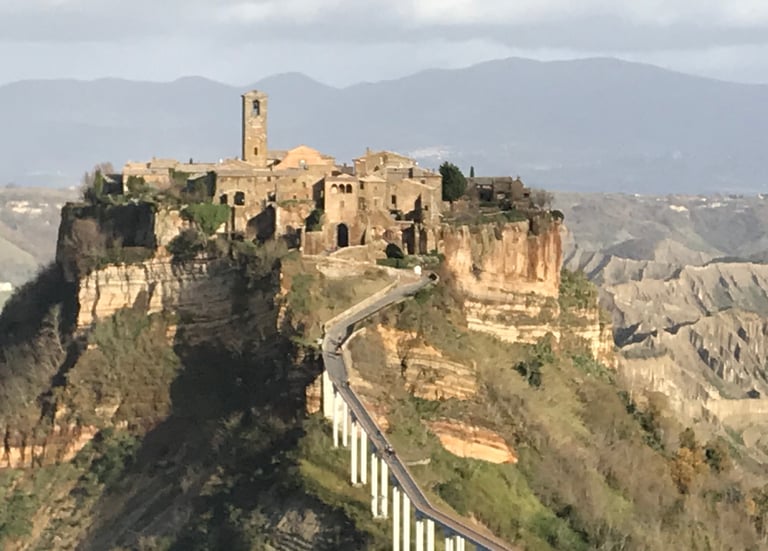
The only way into Civita, this dramatic walkway stretches over a vast canyon and creates an unforgettable first impression of the suspended village.
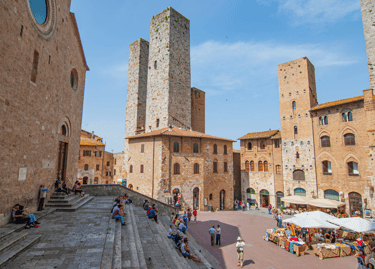
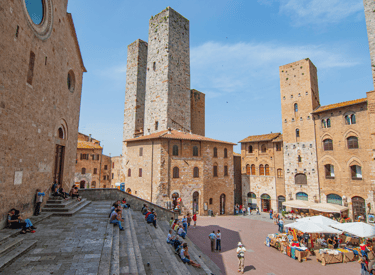
Piazza San Donato
Civita’s central square is a peaceful open-air gathering space framed by stone buildings, worn archways, and the timeless rhythm of village life.
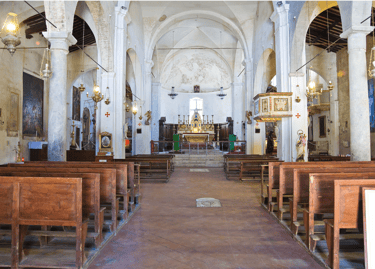
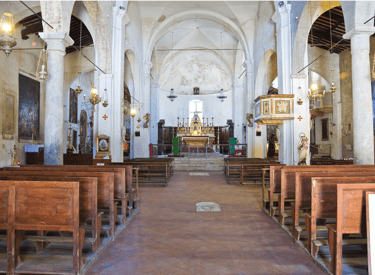
Church of San Donato
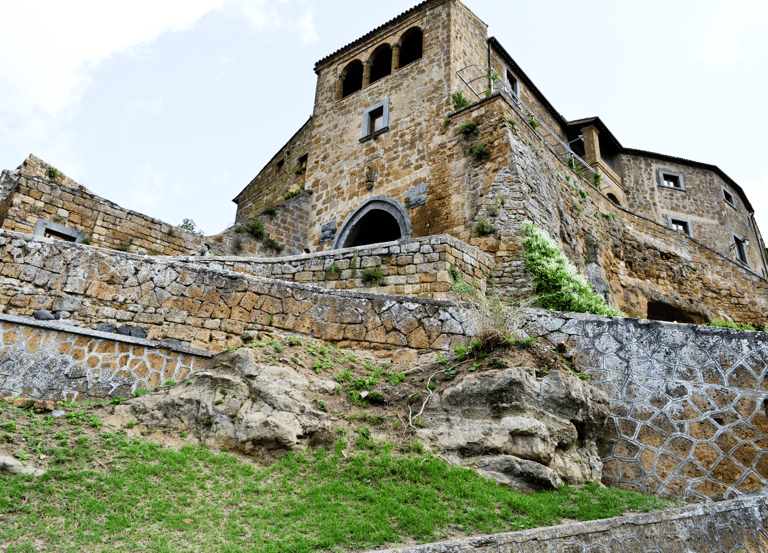
Dating back to the 7th century, this Romanesque church anchors the piazza with its historic bell tower, faded frescoes, and spiritual stillness.
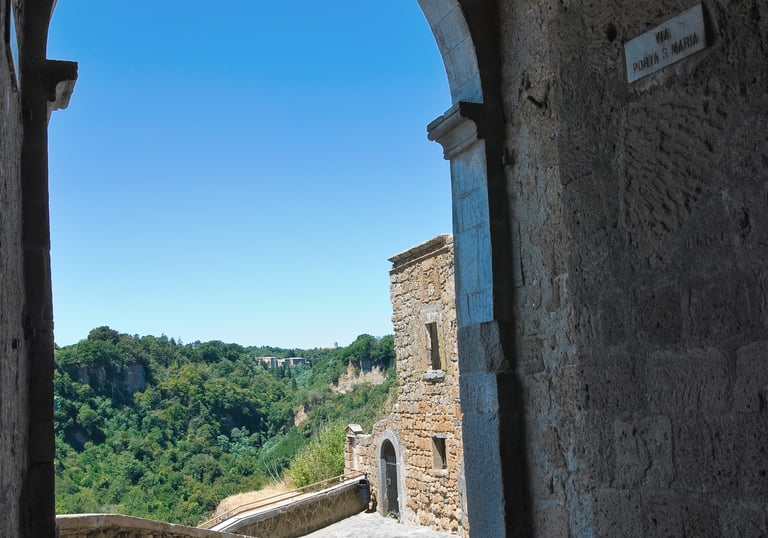
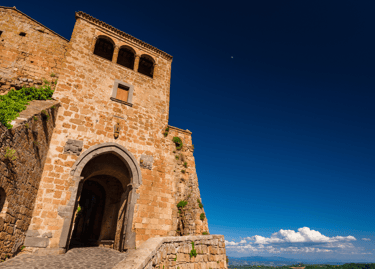
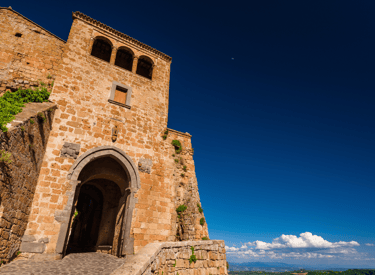
The Old City Gate (Porta Santa Maria)
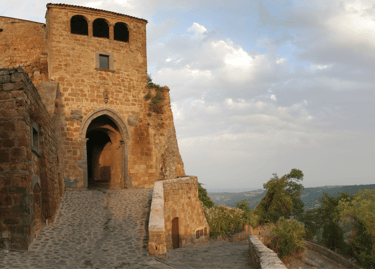
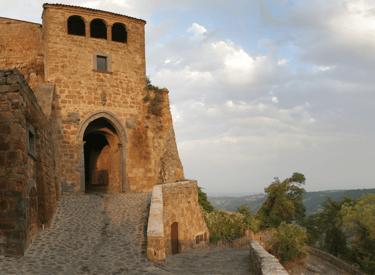
Flanked by carved lion statues, this stone gate marks the original entrance to Civita and offers a symbolic threshold into the past.
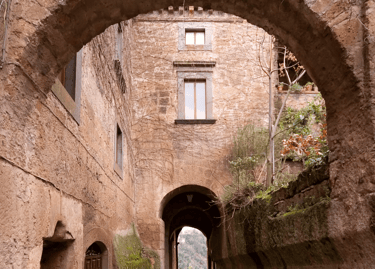
Ancient Stone Archways
Bishop’s Palace Ruins
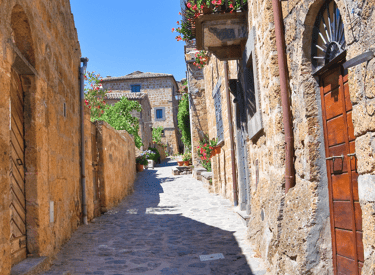
Scattered throughout the village, these arches frame alleys and doorways with dramatic shadows and vine-covered charm — perfect for slow strolls and moody photos.
Overlooking the cliffs, these weathered ruins once housed Civita’s ecclesiastical leaders and now stand as a photogenic relic of the village’s former prominence.
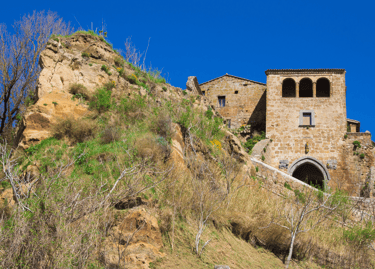
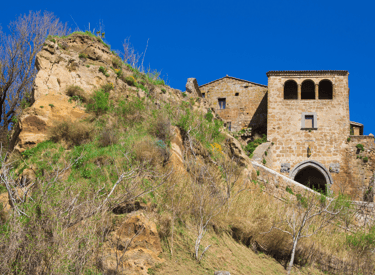
Civita’s Cliffside Walls
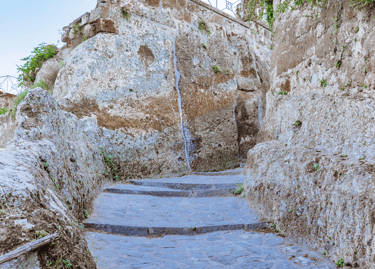
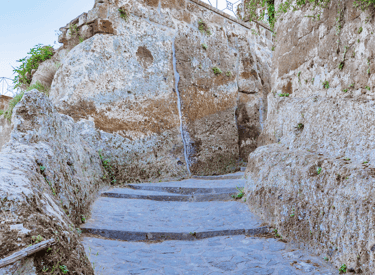
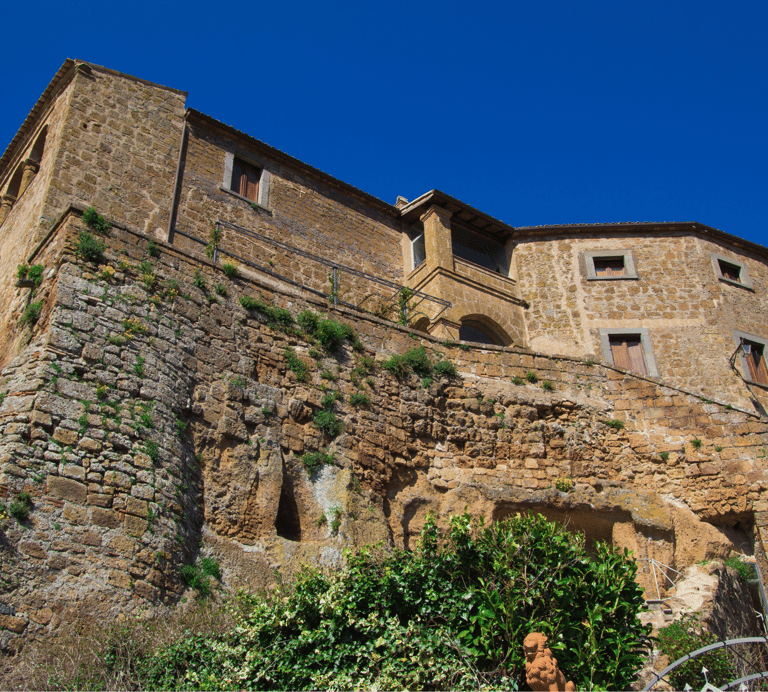
Visible from both inside and outside the village, these sheer, crumbling edges reveal layers of volcanic rock and clay that have shaped the city’s fate.
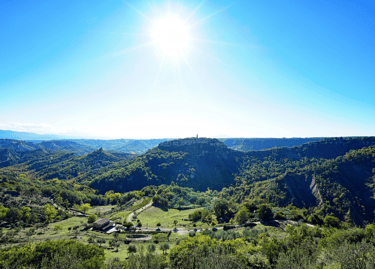
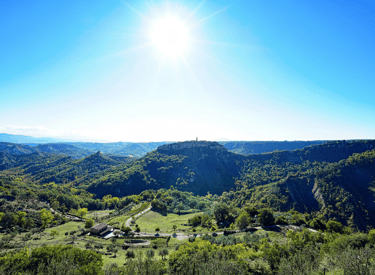
The Belvedere Lookout Point
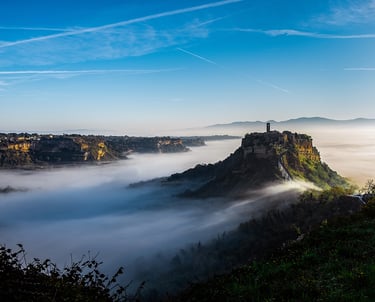
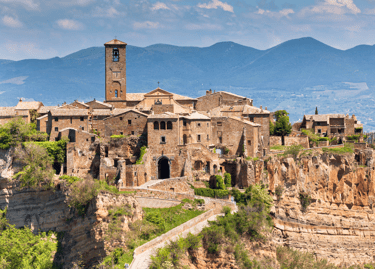
Located outside the entrance, this scenic spot provides the most iconic, postcard-worthy view of Civita rising from the canyon.
Hidden Gems of Civita di Bagnoregio
From secret tunnels and ancient olive mills to quiet courtyards and wild fig trees growing from stone, Civita di Bagnoregio hides its magic in plain sight — if you know where to look.
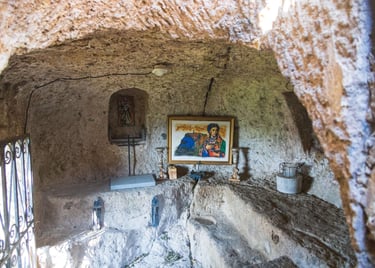
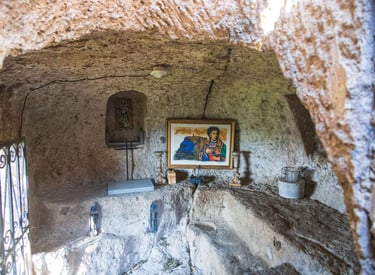
La Grotta di San Bonaventura
A small cave said to be the birthplace of Saint Bonaventure, hidden beneath a quiet terrace and steeped in medieval mysticism.
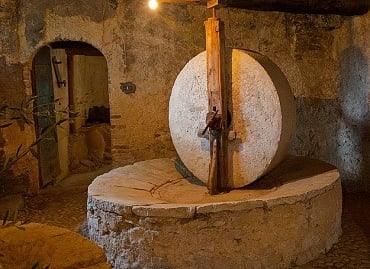
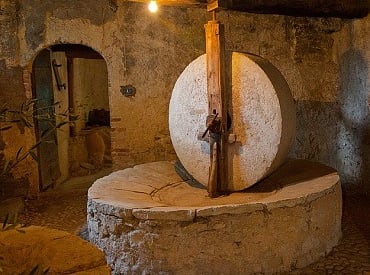
Olive Press Relics in a Hidden Courtyard
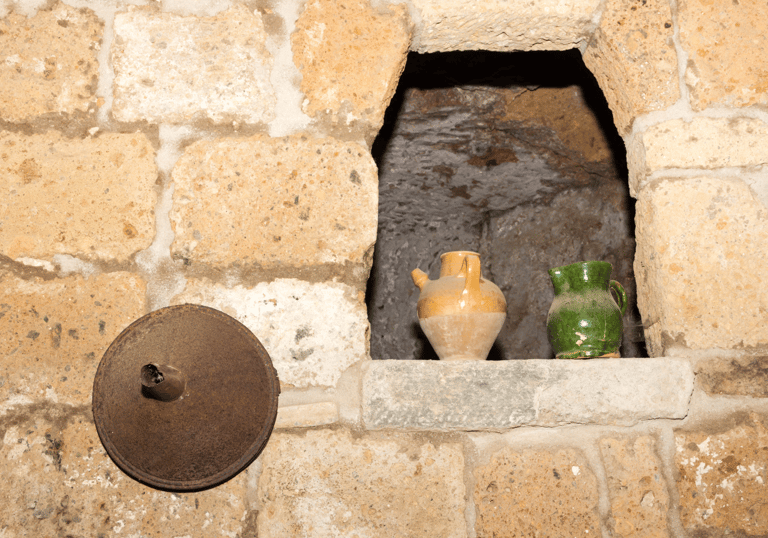
A rusted wheel and crushed basin sit quietly in a private garden, remnants of an old olive mill visible only from one narrow alley.
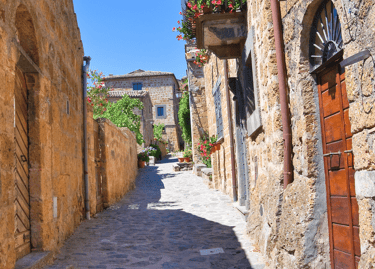
Etruscan Passageways Near the Edge
Look closely near the village’s outer rim and you’ll spot narrow stone tunnels that once served as ancient pathways or water systems.
The Abandoned Staircase to Nowhere
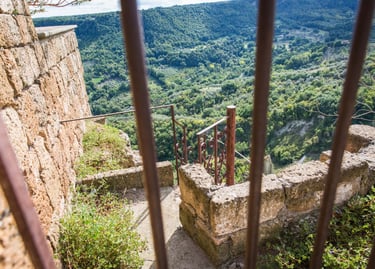
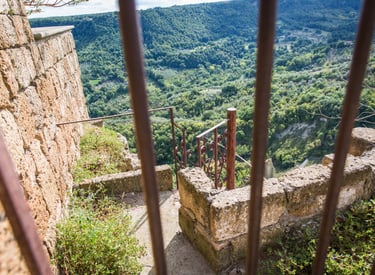
A broken stone staircase juts from the cliff’s edge — overgrown and leading to empty space, like something out of a forgotten dream.
Top Hiking Trails in Civita di Bargnoregio
Civita di Bagnoregio offers a variety of scenic hiking trails that showcase the region's unique landscapes and historical paths.
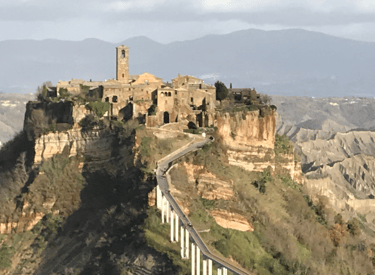
Ponte Panoramico di Civita Loop
An easy 2.9-mile loop starting from Bagnoregio, offering panoramic views of Civita and the surrounding valleys.
Valle dei Calanchi Trail
A moderate 1.9-mile trail through the Calanchi badlands, featuring unique clay formations and views of the eroded landscape.
Civita di Bagnoregio and Surroundings
A 6.9-mile route exploring the countryside around Civita, including old wooden walkways and scenic viewpoints.
Enchanted Walks
A series of trails designed to showcase the magical aspects of the region, suitable for various skill levels.
The Way of the Etruscans
A multi-day trail connecting ancient Etruscan sites, offering a journey through history and nature.
Path of the Fearless Larth
A challenging route named after an Etruscan figure, leading through rugged terrain and historical landmarks.
Outdoor Activities to Do in Civita di Bagnoregio
From scenic e-bike tours and panoramic hikes to lakeside wine tastings and ancient garden strolls, Civita di Bagnoregio offers a variety of outdoor experiences for nature enthusiasts and adventure seekers alike.


Handmade Ceramics Workshop Demonstrations
Local artisans occasionally offer walk-in demos or scheduled visits where you can watch traditional Tuscia pottery techniques — and even try your hand at the wheel.
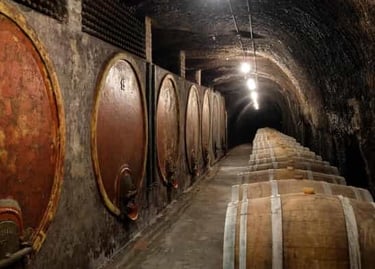
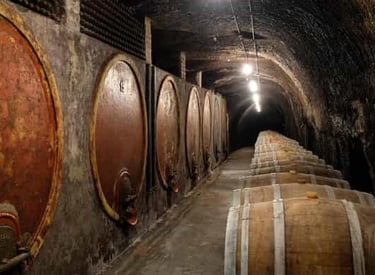
Lake Bolsena: Private Cellar Tour and Wine Tasting
Enjoy a lakeside wine tasting experience at a private cellar near Lake Bolsena.
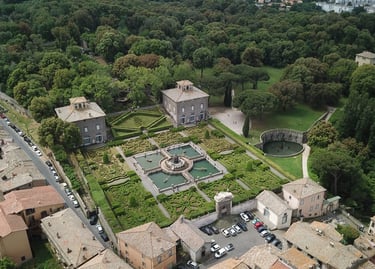
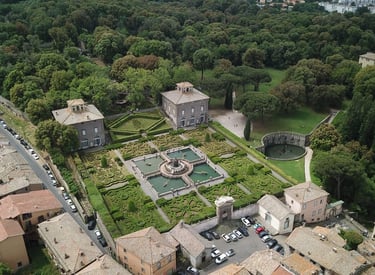
Civita di Bagnoregio and Villa Lante Garden Tour
Explore the historic village and the renowned Renaissance gardens of Villa Lante.
Climb to the Old City Gate (Porta Santa Maria)
This historic stone gate marks Civita’s original entrance and offers impressive views from its elevated position.
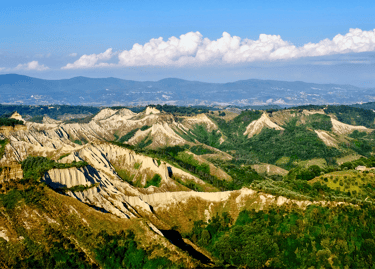
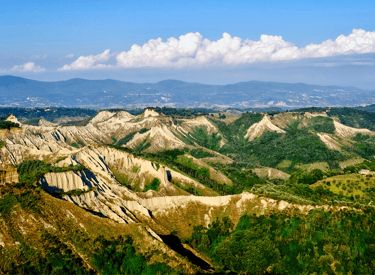
Hike through the Calanchi badlands
Explore eroded clay landscapes and ridged valleys on foot for a closer look at the natural forces shaping Civita’s crumbling cliffs.
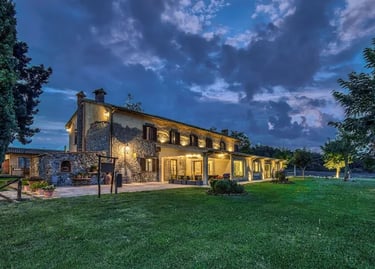
Visit a local agriturismo
Take a short drive to a working farm or vineyard in the Tuscia countryside for olive oil tastings, wine, and laid-back nature experiences.
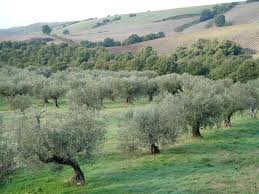
Stroll through olive groves near Bagnoregio
Gentle walking trails meander through centuries-old olive trees — quiet, open, and grounding.
Explore the paths below Civita
Venture downhill from the bridge entrance to discover lesser-known trails and alternate perspectives of the hilltop village.
Best Photo Spots
With its crumbling cliffs, moody alleyways, and cinematic lighting, Civita di Bagnoregio is pure magic through the lens. Here are the best spots to capture its haunting beauty:
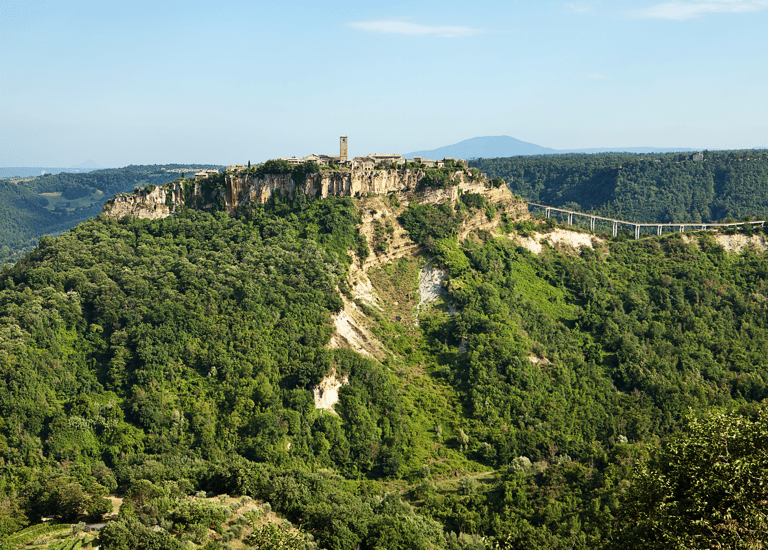
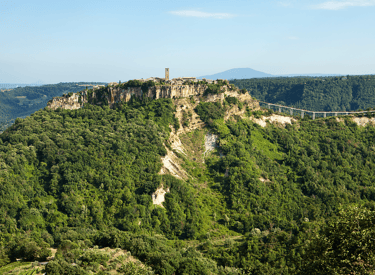
Belvedere Viewpoint
The most iconic view of Civita rising from the canyon — best at golden hour or twilight when the stone glows.
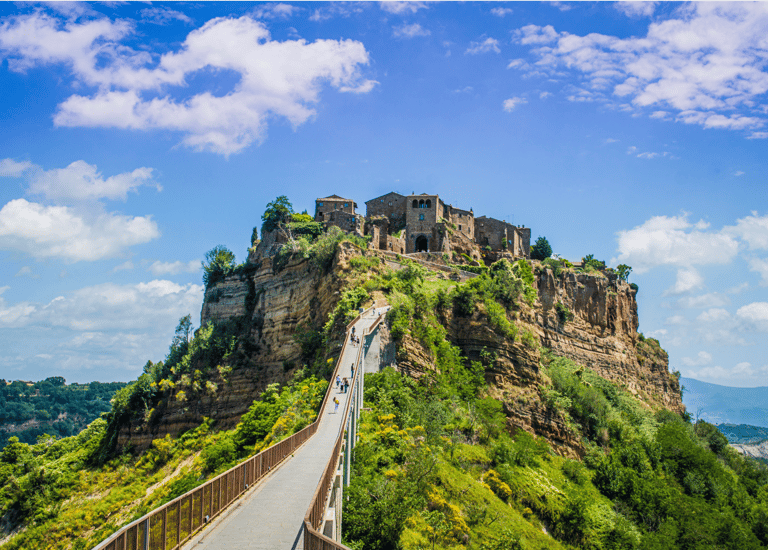
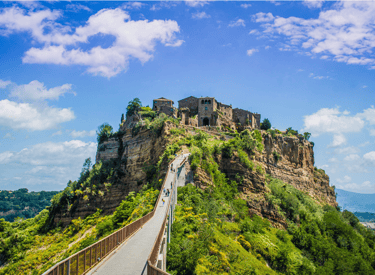
Midpoint on the Pedestrian Bridge
Frame the entire floating village behind you for a postcard-perfect perspective.
Best Food, Restaurants & Bars in Bagnoregio
From rustic trattorias to cliffside wine bars, Civita di Bagnoregio serves up soulful flavors with a view. Expect slow meals, heritage ingredients, and dishes shaped by centuries of tradition.
Famous Dishes & Local Specialties
Civita’s cuisine is deeply rooted in the earthy traditions of Lazio and nearby Umbria — rustic, seasonal, and slow. These are the signature flavors worth seeking out:
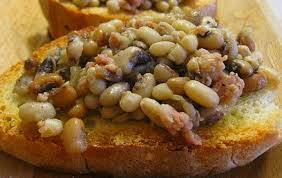
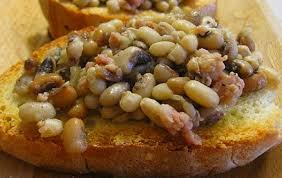
Fagiolina del Lago
A tiny heirloom legume grown near Lake Bolsena, known for its nutty flavor and ancient roots.
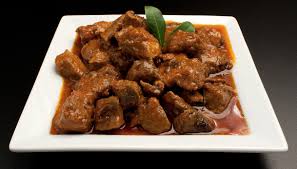
Cinghiale in Umido (Stewed Wild Boar)
Slow-cooked wild boar in red wine, tomato, and herbs — rich, bold, and deeply satisfying.




Pici all’Aglione
Thick hand-rolled pasta coated in a garlicky tomato sauce — simple, bold, and beloved in central Italy.
Acquacotta
A humble soup made with stale bread, onions, tomatoes, and wild greens — a peasant classic turned soulful comfort food.




Porchetta
Crispy, herb-filled roasted pork sliced thick and served in sandwiches or on a platter.
Ciambelline al Vino
Ring-shaped cookies made with white wine and olive oil — crunchy, not too sweet, and perfect with espresso.
Top 10 Best Restaurants in Civita di Bagnoregio
From candlelit caves to casual wine bars carved into stone, Civita di Bagnoregio’s dining scene blends ancient atmosphere with soulful regional flavors. Whether you’re craving wild boar ragù in a rustic trattoria or sipping wine under ivy-draped arches, every meal feels like a step back in time — with taste.
Alma Civita
Elegant Italian cuisine served in a romantic, candlelit cave with vaulted stone ceilings.
Highlight Dish: Handmade tagliolini with shaved truffle.
Location: Via Civita, snc
Featured in: The Financial Times.
La Cantina di Arianna
Rustic charm with forno-cooked specialties and a cozy, family-run atmosphere.
Highlight Dish: Oven-roasted chicken wrapped in parchment.
Location: Via Madonna della Maestà, 1
Featured in: he Financial Times
Traditional dishes served in a quaint setting with a focus on local ingredients.
Highlight Dish: Acquacotta (Tuscan bread soup).
Location: Via San Maria del Cassero, 9
Osteria al Forno di Agnese
L'Arco del Gusto
Casual eatery offering delicious sandwiches and local specialties under a charming archway.
Highlight Dish: Porchetta sandwich.
Location: Via Santa Maria del Cassero
Il Pozzo dei Desideri
Atmospheric dining inside a candlelit tufa cave, offering a unique culinary experience.
Highlight Dish: Lasagna with seasonal vegetables.
Location: Via San Maria del Cassero, 5
Cozy wine bar perfect for aperitivo, featuring local wines and small plates.
Highlight Dish: Selection of local cheeses and cured meats.
Location: Via Porta Santa Maria
Bar Enoteca La Piazzetta
Taverna Bistrot
Modern bistro blending traditional flavors with contemporary presentation.
Highlight Dish: Homemade pici pasta with wild boar ragù.
Location: Piazza San Donato
Trattoria Antico Forno
Family-run trattoria offering hearty meals in a warm, inviting setting.
Highlight Dish: Bruschetta with fresh tomatoes and basil.
Location: Piazza San Donato
Chic wine bar offering a curated selection of regional wines and artisanal snacks.
Highlight Dish: Charcuterie board with local specialties.
Location: Via Civita Bonaventura
Wine Bar Profili di Vini
Hostaria La Cantina
Charming hostaria serving light lunches and refreshing beverages in a friendly environment.
Highlight Dish: Mixed bruschette platter.
Location: Via Madonna della Maestà
Each of these restaurants captures a different side of Civita’s timeless soul — whether it’s rustic tradition, romantic ambiance, or ancestral flavors served with a view carved from stone.
Top 10 Fabulous Bars in Civita de Bagnoregio
Whether you want to sip local wine in a candlelit cave, catch golden hour with a spritz in hand, or unwind under ivy-covered terraces, Civita’s bar scene may be small — but it’s steeped in charm and full of soul. These are the best spots to raise a glass.
Bar La Piazzetta
A cozy spot at the village entrance, offering a relaxed atmosphere perfect for people-watching.
Highlight Drink: Local red wine served with traditional bruschetta.
Location: Via Porta Santa Maria
Wine Bar Profili DiVini
A charming wine bar offering a curated selection of regional wines and artisanal snacks.
Highlight Drink: Selection of local wines paired with cured meats and cheeses.
Location: Via Civita Bonaventura
Perched near the scenic viewpoint, this bar offers breathtaking views of the surrounding landscape.
Highlight Drink: Aperol Spritz enjoyed with a panoramic sunset.
Location: Belvedere Terrace
Bar del Belvedere
Caffè del Corso
A quaint café-bar located along the main street, perfect for a mid-day espresso or evening aperitivo.
Highlight Drink: Espresso paired with a sweet pastry.
Location: Corso Mazzini
Bar Il Ponte
Situated near the pedestrian bridge, this bar provides a convenient stop for refreshments before or after entering the village.
Highlight Drink: Chilled white wine with light snacks.
Location: Via del Ponte
A rustic wine tavern offering a selection of regional wines and small plates in a cozy setting.
Highlight Drink: Glass of Est! Est!! Est!!! with local cheese.
Location: Via della Taverna
Enoteca La Taverna
Bar Centrale
A central gathering spot for locals and visitors alike, offering a variety of beverages and light fare.
Highlight Drink: Classic Negroni with mixed olives.
Location: Piazza San Donato
Civita Lounge Bar
A modern lounge bar blending traditional charm with contemporary flair, perfect for evening cocktails.
Highlight Drink: Signature Civita Sunset cocktail.
Location: Via della Rocca
A traveler-friendly bar offering quick bites and a range of beverages, ideal for those on the go.
Highlight Drink: Refreshing Limoncello Spritz.
Location: Via dei Viaggiatori
Bar dei Viaggiatori
La Cantina del Borgo
An intimate cellar bar offering a curated selection of wines and a cozy atmosphere.
Highlight Drink: Aged red wine paired with dark chocolate.
Location: Via del Borgo
From crisp local wines to panoramic spritzes at sunset, Civita’s bars offer something for every kind of evening — whether you’re craving cozy conversation, old-world ambiance, or a quiet toast beneath the stars.
Festivals & Events
From ancient processions to lively folk celebrations, Civita di Bagnoregio offers a tapestry of events that bring its medieval streets to life throughout the year:
Palio della Tonna
A quirky, high-energy donkey race in the main square, where locals represent different districts and ride bareback around the piazza.
When: First Sunday of June & second Sunday of September
Good Friday Procession (Bagnoregio)
A powerful nighttime procession with over 300 participants in traditional dress, commemorating the Passion of Christ with solemn beauty.
When: Good Friday
Civit’Arte Festival
Every August, the village transforms into an open-air stage with theater, music, and dance performances filling its ancient corners.
When: Throughout August
Festa della Castagna
Celebrate autumn with roasted chestnuts, live folk music, and open-air markets spilling through Civita’s cobblestone streets.
When: Mid-October
Living Nativity (Presepe Vivente)
During the Christmas season, over 50 villagers dress in period costume and recreate the nativity with lanterns, animals, and historical detail.
When: December 26, January 1 & 6
Tuscia in Jazz Festival
World-class jazz in an ancient setting — this regional music festival includes intimate concerts, masterclasses, and jam sessions across the Tuscia area.
When: Late July to early August
Budgeting for Civita di Bagnoregio
Average Daily Cost:
Budget Travelers ($50–$80/day)
Stay in nearby Bagnoregio or surrounding countryside hostels and agriturismos, dine on paninis, pizza al taglio, and market snacks, and explore Civita on foot — the pedestrian bridge is your main expense.Mid-Range Travelers ($120–$200/day)
Book a charming B&B or guesthouse just outside the village with breakfast included. Enjoy multi-course dinners at local osterias, and splurge on wine tastings, a cultural tour, or a guided hike through the Calanchi valley.Luxury Travelers ($300+/day)
Opt for a boutique cave hotel or high-end suite with panoramic views. Indulge in private wine tours, multi-course tasting menus at Alma Civita, and private transport from Orvieto or Rome for a seamless, stress-free trip.
Common Expenses:
Accommodation
• Hostel dorm bed: $20–$35/night
• Boutique hotel room: $80–$150/night
• Luxury hotel suite: $250–$500+/nightFood
• Budget meal (local café or takeaway): $5–$10
• Mid-range restaurant meal: $15–$30
• Fine dining experience: $50–$100+Transportation
• Local taxi or rideshare (Bagnoregio area): $5–$15 per trip
• Scooter rental (nearby towns): ~$25/day
• Regional transport to Orvieto or Viterbo: $10–$20
• Private transfer from Rome: $150–$250Activities
• Walking trails and village exploration: Free
• Entry to Civita (bridge fee): ~$5
• Museum or cultural site entrance: $5–$10
• Guided tours, tastings, or excursions: $30–$100+
Whether you're a backpacker looking to explore ancient ruins on a shoestring or a luxury traveler craving hilltop views with a glass of wine in hand, Civita di Bagnoregio has options for every budget.
How to Get Around
Civita di Bagnoregio is car-free — and that’s part of the charm. Once you arrive at the entrance gate, everything is explored on foot.
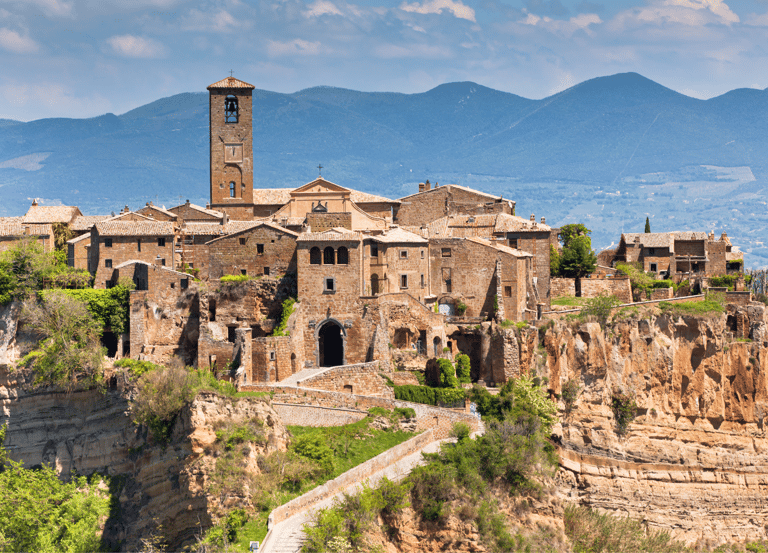
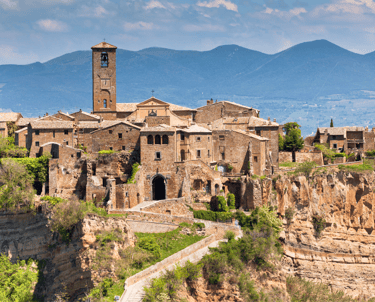
Walking is essential
The pedestrian bridge is the only access point into the village, and inside, it’s all cobblestone streets and narrow alleys. Wear good walking shoes and prepare for inclines.
Shuttle service from Bagnoregio
If you're staying in nearby Bagnoregio, a local shuttle runs regularly to the base of the bridge. It’s a short ride and saves you the uphill walk.
Parking lots outside the bridge
Cars must be left at designated lots in Bagnoregio (usually €5–€10/day). From there, walk or take the shuttle to the bridge entrance.
Taxis and private transfers
Taxis are available in Bagnoregio, or you can book private transfers from Orvieto, Viterbo, or even Rome for a smooth arrival.
Scooter and e-bike rentals
Not available in Civita itself, but nearby towns like Orvieto offer rentals if you want to explore the broader Tuscia countryside.
No vehicles allowed in Civita
The village is strictly pedestrian — no bikes, scooters, or cars. Slow down, wander, and let your feet guide you through its timeless beauty.
Travel Tips & Safety
Civita is extremely safe, but the pedestrian bridge can be slippery in wet conditions — wear sturdy shoes and take your time. Avoid wandering off marked paths along the cliffs. No major scams are reported, but be cautious of overpriced taxi or private transfer services during high season.
Common Scams & Safety Precautions
Currency Exchange & Payment Tips
Italy uses the Euro (€). There are no ATMs inside Civita, so withdraw cash beforehand in nearby Bagnoregio or Orvieto. While most mid-range restaurants accept cards, small cafés and souvenir shops may be cash-only. Always keep some euros on hand for entry fees and tips.
Best SIM Cards & Wi-Fi Access
Free Wi-Fi is rare inside the village. Bring a SIM card with good coverage in rural Italy — TIM and Vodafone are the most reliable providers in this region. Portable Wi-Fi hotspots are also a smart option if you’re working remotely or staying longer.
Health & Travel Insurance Tips
Italy has high-quality healthcare, but tourists should always carry travel insurance that covers emergency care. Pharmacies are located in Bagnoregio, not inside Civita. Carry basic medications and a refillable water bottle — there are few facilities once inside the village.
Civita is safe, serene, and slow-paced — but it’s still helpful to plan ahead and know what to expect before you cross the bridge into this suspended-in-time village.
Day Trips & Nearby Excursions
One of the best parts of visiting Civita di Bagnoregio is how close you are to even more awe-inspiring places. From volcanic lakes and Renaissance gardens to medieval towns carved into stone, these are the best side trips if you’re craving a deeper taste of Lazio’s hidden magic.
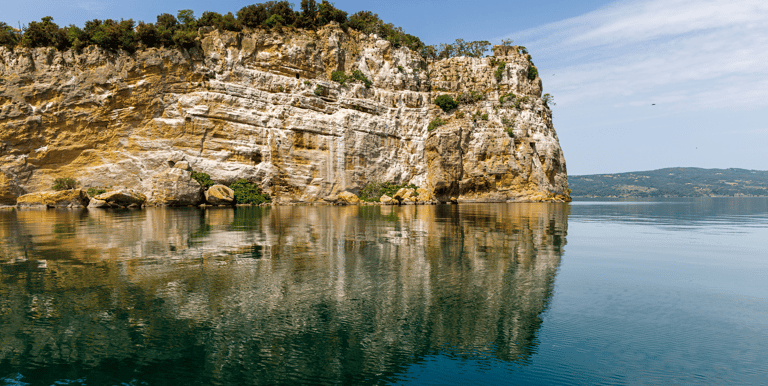
Lake Bolsena
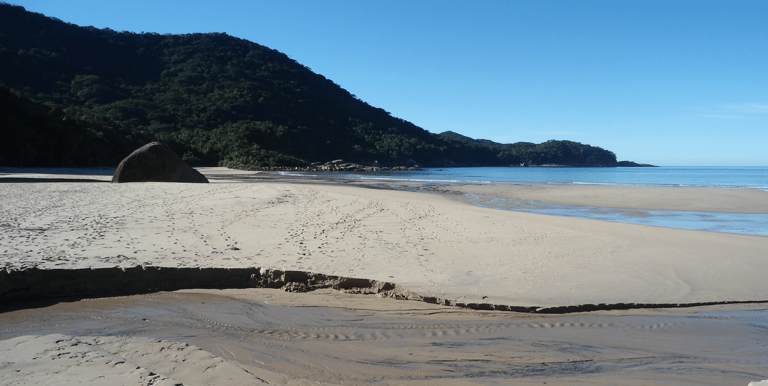
Italy's largest volcanic lake, offering serene beaches, swimming, and quaint lakeside towns. Ideal for a relaxing day of sunbathing, boating, or enjoying fresh seafood.
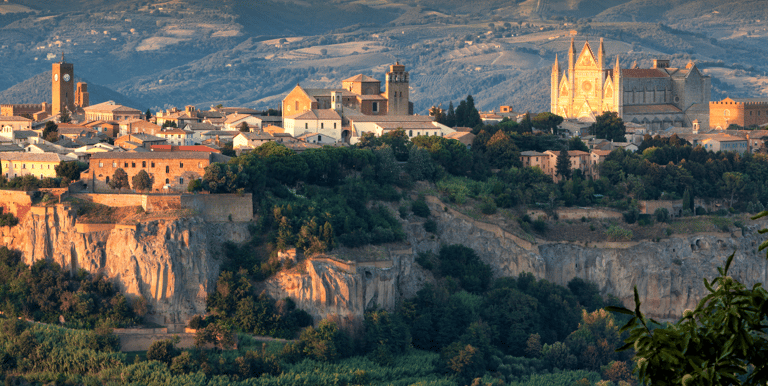
Orvieto
A striking hilltop city renowned for its Gothic cathedral, underground tunnels, and panoramic views. Explore the Duomo di Orvieto, delve into Etruscan history, and savor local wines in charming enotecas.
Villa Lante & Bagnaia
A masterpiece of Renaissance garden design, Villa Lante in Bagnaia features symmetrical terraces, fountains, and manicured hedges.
Travel Itineraries
Whether you’re passing through for the day or lingering longer to soak in the silence, Civita offers a slow kind of magic that stays with you. Here’s how to make the most of every moment.
1 Day in Civita (The Highlights)
Morning: Arrive early and park in Bagnoregio, then walk the iconic pedestrian bridge into Civita.
Midday: Explore the main piazza and visit the Church of San Donato. Stop for lunch at one of the charming trattorias overlooking the cliffs.
Afternoon: Wander the cobblestone alleys, browse artisan shops, and enjoy panoramic views.
Evening: Savor a glass of local wine at sunset before heading back.
3 Days in Civita (Slow Travel Through Time)
Day 1 – Settle In & Explore
Arrive in Bagnoregio, check into a boutique guesthouse.
Walk into Civita and take a slow-paced self-guided tour.
Enjoy dinner at a romantic terrace restaurant.
Day 2 – History, Hikes, and Hidden Gems
Visit Museo Geologico e delle Frane (the landslide museum).
Hike around the surrounding calanchi (eroded hills).
Take photos from all angles—especially golden hour.
Enjoy a farm-to-table dinner nearby.
Day 3 – Cultural Depth & Local Flavors
Shop for local ceramics or food products.
Attend a seasonal festival or event if timing aligns.
Visit nearby Bolsena or Orvieto for a final excursion.
Wrap up with a farewell meal with lake views or hilltop ambiance.
5 Days in Civita (Total Tuscia Immersion)
Day 1 – Arrival & First Impressions
Arrive in the region, settle in a nearby agriturismo.
Head to Civita for an afternoon stroll and dinner.
Day 2 – Civita Deep Dive
Spend a full day immersed in Civita. Explore every nook.
Visit both museums, attend any available walking tour, and journal or sketch on the cliffs.
Day 3 – Neighboring Treasures
Day trip to Orvieto: visit the cathedral, underground caves, and local wineries.
Return for a low-key evening in Bagnoregio.
Day 4 – Nature & Relaxation
Visit Lake Bolsena for a boat ride, swim, or lakeside lunch.
Stop by Montefiascone for panoramic wine tasting.
Day 5 – Farewell with Depth
Wake up for sunrise over Civita.
Take in one last slow walk across the bridge.
Depart after breakfast, full of magic and memories.
Explore
Discover hidden gems in small cities worldwide.
© 2025. All rights reserved. Ripe Melland Media