Stop scrolling and start visiting

The Weirdest Museums Worth Visiting
Discover the weirdest museums worth visiting, from cat museums and parasite collections to bad art, broken relationships, frog taxidermy, toilets, neon signs, and underwater sculptures.
CURIOUS PLACES
Sarah Melland
6/9/202613 min read
The Weirdest Museums Worth Visiting
Curious Places For Travelers Who Like Their Culture A Little Unhinged
Some museums whisper. Some museums glow under perfect gallery lighting and ask you to contemplate brushwork, marble, dynasties, and the eternal suffering of saints. And then there are the other museums.
The ones that look at the entire concept of culture and say, “Yes, but what if we built a cathedral to cats?” Or toilets. Or parasites. Or broken hearts. Or bad art. Or 507 taxidermy frogs dressed like tiny villagers.
These are not museums you visit because someone told you they were important. These are museums you visit because your curiosity has gotten completely out of hand and now you need to know what a five-century dog collar collection looks like.
That is the beauty of weird museums. They remind us that human beings are not only makers of masterpieces. We are also collectors of oddities, obsessions, failures, superstitions, snacks, heartbreak, folklore, and extremely specific objects no one else thought to preserve.
The world is full of grand museums. But these are the strange little places that prove history has a sense of humor.
1. Cat Museum
Kuching, Malaysia
There are cities that tolerate cats, and then there is Kuching.
Kuching’s name is often associated with the Malay word for cat, and the city has fully embraced the bit. Cat statues appear around town. Cat souvenirs appear in shops. And high above the city inside Kuching North City Hall, there is an entire museum devoted to feline history, mythology, culture, cartoons, collectibles, and cat-related chaos.
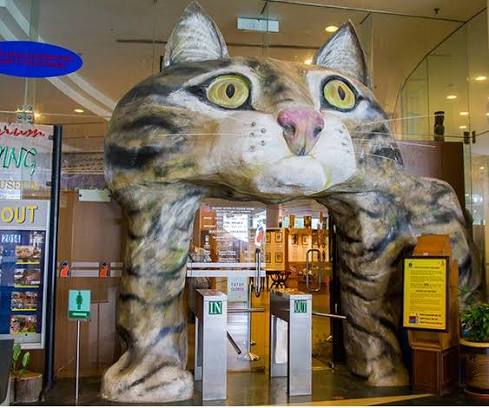
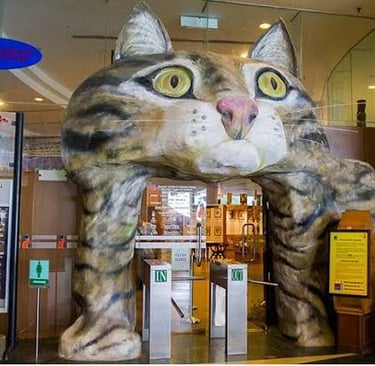
The Cat Museum is exactly what you hope it will be: strange, sincere, and completely committed. It has cat sculptures, cat posters, cat folklore, cat art, cat souvenirs, celebrity cat-owner displays, and the kind of entrance that makes you feel like you are walking directly into the mouth of cat civilization.
Is it elegant? Not exactly.
Is it unforgettable? Absolutely.
This is the kind of place that feels less like a museum and more like evidence that someone’s private cat obsession got municipal funding. And honestly, good for them.
Go for: feline folklore, kitschy displays, the giant cat-head entrance, and the pure joy of saying, “I went to the Cat Museum in Cat City.”
2. Meguro Parasitological Museum
Tokyo, Japan
Tokyo has temples, neon, ramen alleys, fashion districts, and one very small museum that politely invites you to think about tapeworms.
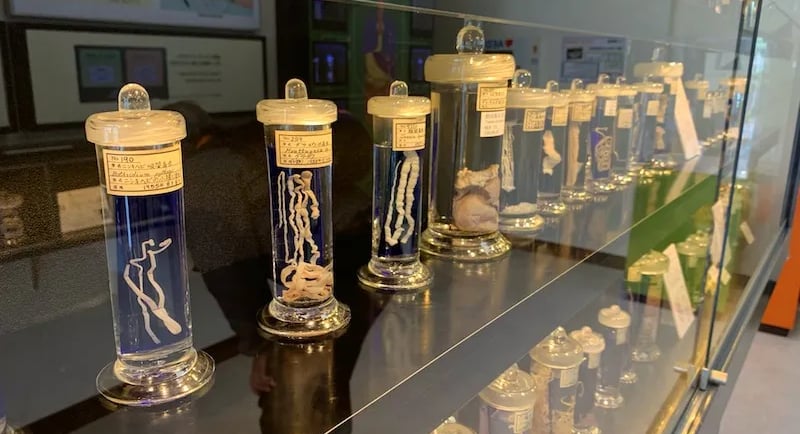
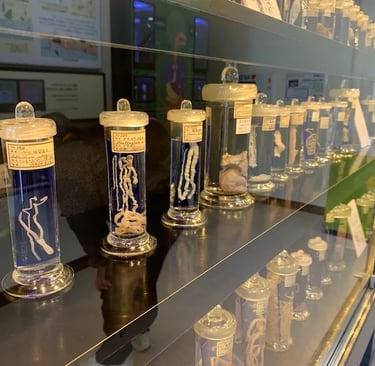
The Meguro Parasitological Museum is devoted entirely to parasites, which sounds horrifying until you realize it is also deeply fascinating. Inside, you will find preserved specimens, scientific displays, parasite life cycles, educational exhibits, and the kind of glass jars that make you suddenly aware of every inch of your skin.
It is not a haunted house. It is not a shock attraction. It is a serious research museum, which somehow makes it even stranger.
The museum’s most famous display is often the long tapeworm specimen, which has become the unofficial celebrity of the collection. You may enter thinking parasites are disgusting. You may leave thinking they are disgusting and brilliant.
That is growth.
Go for: science, body horror, microscopic drama, and one of Tokyo’s best “wait, this is real?” detours.
3. Museum Of Broken Relationships
Zagreb, Croatia
Some museums collect crowns. This one collects emotional damage.
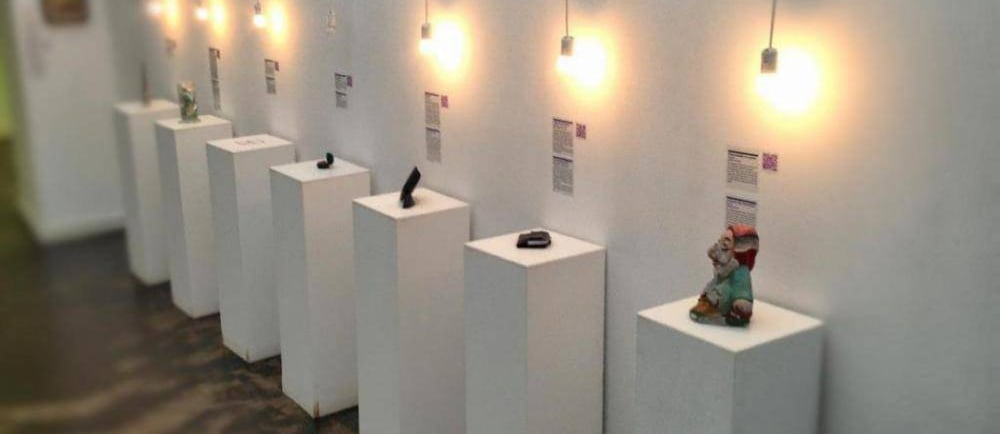
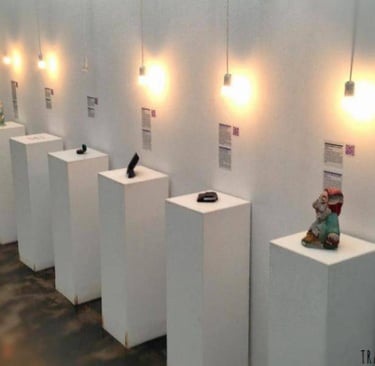
The Museum of Broken Relationships in Zagreb is filled with objects donated by people from around the world, each one tied to the end of a relationship. A toy. A dress. A letter. A toaster. A piece of furniture. Something ordinary, suddenly made devastating by the story beside it.
That is the strange genius of the place.
It is weird, yes, but not in a gimmicky way. It is funny until it is sad. Sad until it is funny. You wander through the museum realizing that heartbreak turns people into archivists. We save the dumbest things because once, they meant everything.
This is one of the rare weird museums that feels both oddly specific and universally human. Everyone has had a version of the object they could not throw away.
Go for: heartbreak, dark humor, emotional storytelling, and the reminder that love leaves behind the strangest evidence.
4. Sulabh International Museum Of Toilets
New Delhi, India
A museum about toilets sounds like a joke until you realize toilets are one of the most important inventions in human history.
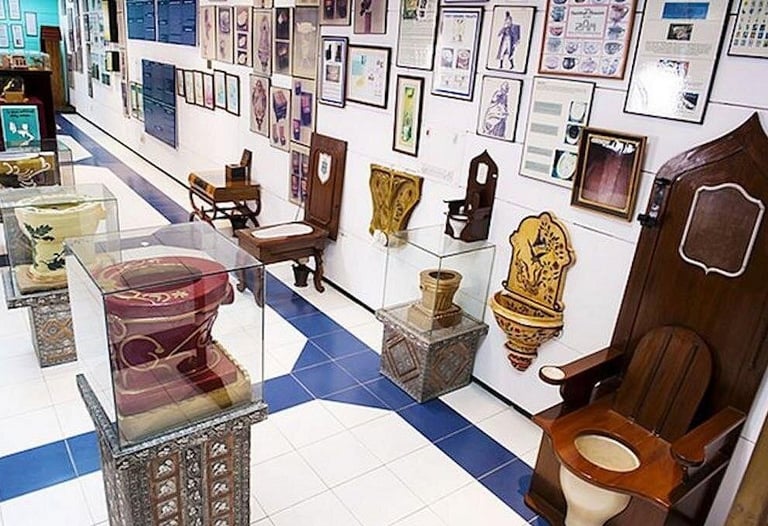
The Sulabh International Museum of Toilets in New Delhi traces the evolution of sanitation across centuries, from ancient systems and chamber pots to ornate toilet furniture, bidets, modern flush toilets, and the social customs surrounding hygiene.
It is funny, obviously. It is hard not to giggle at a room full of historic toilets.
But it is also genuinely important. Sanitation is public health, dignity, urban planning, social progress, and survival. This museum takes a subject people avoid and says, “No, actually, look closer.”
And that is the magic of it. You arrive for the weirdness. You leave with a new appreciation for plumbing.
Go for: unexpected history, bathroom humor with purpose, and one of the most underrated subjects in human civilization.


5. Vent Haven Museum
Fort Mitchell, Kentucky
There are museums that make you feel watched. Vent Haven Museum makes you feel watched by hundreds of ventriloquist figures, which is a very specific experience and not one everyone’s nervous system is prepared for.
Located in Kentucky, Vent Haven is devoted to the art and history of ventriloquism. Its collection includes rows upon rows of figures, memorabilia, photos, posters, and performance history. Some of the dummies are charming. Some are historic. Some look like they know where the missing inheritance went.
The museum is fascinating because ventriloquism sits in that perfect zone between performance art, comedy, illusion, and mild nightmare. It is playful, but also deeply uncanny. A human voice coming from a wooden face should not work. And yet, it has entertained audiences for generations.
Go for: performance history, creepy-cute energy, and the unforgettable sight of a room full of silent faces.


6. Museum Of Bad Art
Boston, Massachusetts
The Museum of Bad Art is not about lazy art. It is about sincere art that went spectacularly wrong.
That distinction matters. This is not a place mocking people who did not try. It is a celebration of effort, confidence, questionable perspective, strange faces, unsettling color choices, and creative decisions that somehow swerved into greatness by missing greatness entirely.
The museum’s motto is “art too bad to be ignored,” which may be one of the finest museum philosophies ever written.
What makes MOBA wonderful is that it frees visitors from pretending. In traditional art museums, people often whisper things like “the use of light is remarkable” while secretly wondering where the bathroom is. Here, everyone gets to have an opinion. Everyone can laugh. Everyone can be confused together.
And sometimes, against all odds, the bad art becomes lovable.
Go for: accidental masterpieces, very confident brushstrokes, and the joy of art that failed upward.
7. Froggyland
Split, Croatia
Froggyland sounds adorable until you learn the details.
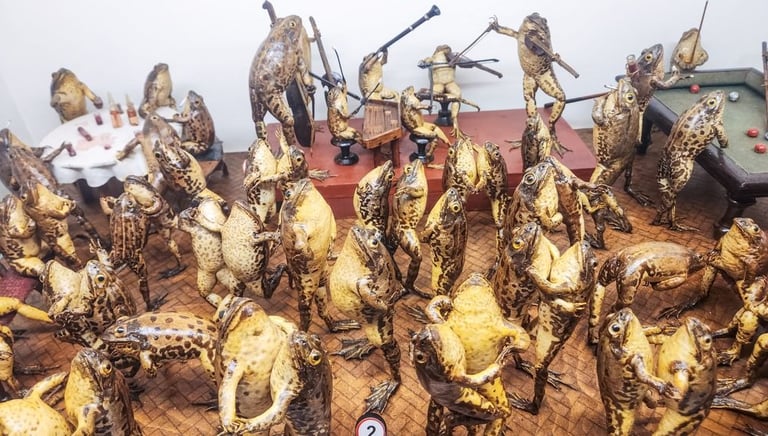
Inside this small museum in Split are hundreds of taxidermy frogs arranged in human-like scenes. Frogs at school. Frogs in court. Frogs playing music. Frogs doing domestic tasks. Frogs living tiny frog lives with the seriousness of Victorian townspeople.
It is whimsical. It is unsettling. It is oddly impressive.
The collection was created by Hungarian taxidermist Ferenc Mere, whose work required a delicate technique that preserved the frogs without visible external incisions. The result is a museum that feels like stepping into a fever dream staged by a biology teacher with a flair for theater.
There is no casual way to explain Froggyland to someone.
That is how you know it belongs on this list.
Go for: tiny frog drama, taxidermy weirdness, and one of the strangest rainy-day stops in Croatia.
8. Icelandic Phallological Museum
Reykjavík, Iceland
Some museums dance around their subject.
This one does not.
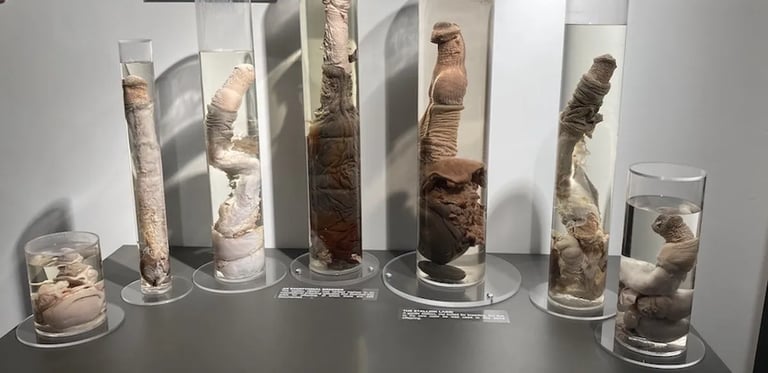
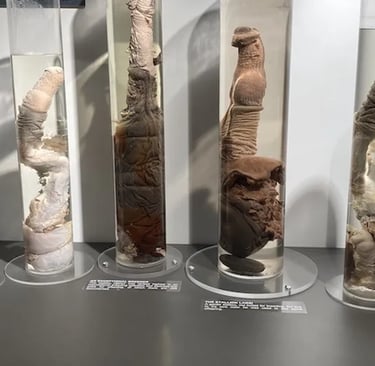
The Icelandic Phallological Museum in Reykjavík is a serious scientific and cultural collection dedicated to phallology. Its exhibits include specimens from many mammal species, along with folklore-related pieces and educational displays. It is certainly not for everyone, and it is probably not the museum to spring on your family without warning.
But it is also not just a crude joke.
The museum sits at the intersection of biology, anatomy, folklore, humor, and Icelandic eccentricity. It is strange because the subject is strange. It is memorable because it commits fully. And it is oddly refreshing to see a museum handle an awkward topic with such blunt seriousness.
You may laugh. You may cringe. You may learn more than expected.
Possibly all within the same minute.
Go for: adult humor, anatomy, folklore, and one of Reykjavík’s most infamous curious stops.
9. Dog Collar Museum
Leeds Castle, England
A dog collar museum inside a castle sounds like the punchline to a very British joke. But at Leeds Castle in Kent, it exists, and it is fabulous.
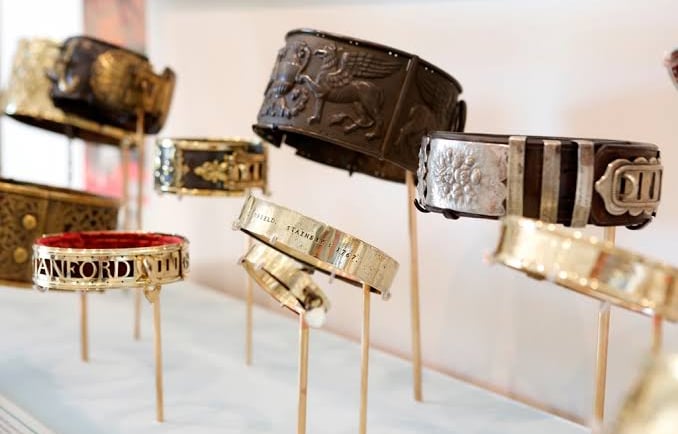
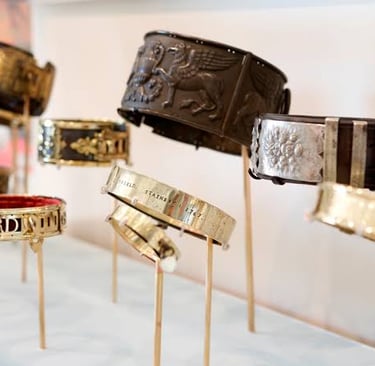
The Dog Collar Museum displays centuries of canine neckwear, including ornate, practical, decorative, and sometimes alarmingly spiked collars. What begins as a quirky detour turns into a surprisingly rich look at status, protection, design, hunting culture, fashion, and the long relationship between humans and dogs.
Some collars look elegant. Some look brutal. Some look like they were designed for a medieval dog who had enemies. It is weird in the best possible way because it takes an object most people barely think about and turns it into a timeline of human-animal history.
Also, again, it is in a castle. That is not nothing.
Go for: castle grounds, canine history, and dog accessories that look more dramatic than most jewelry collections.
10. Avanos Hair Museum
Cappadocia, Turkey
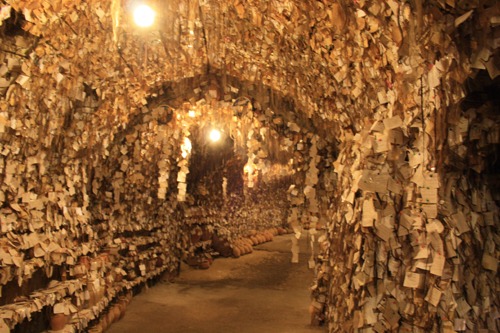
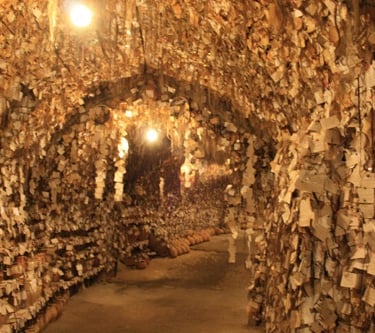
Beneath a pottery shop in Avanos, Cappadocia, there is a cave filled with hair. That is not a sentence that gets less strange with context.
The Avanos Hair Museum, connected to potter Chez Galip, began with a personal story and grew into one of the most unusual collections in Turkey. Over time, visitors left locks of hair with notes, names, or memories, filling the cave-like space with thousands of strands from people around the world.
It is intimate. It is eerie. It is oddly romantic. It is also the kind of place where you may find yourself whispering without knowing why.
Hair is personal in a way most objects are not. It carries identity, memory, grief, vanity, and presence. Seeing thousands of locks gathered in one place turns a quirky roadside curiosity into something stranger and more human.
Go for: Cappadocian weirdness, pottery culture, and a museum that feels like a secret no one should have told you.
11. The Neon Museum
Las Vegas, Nevada
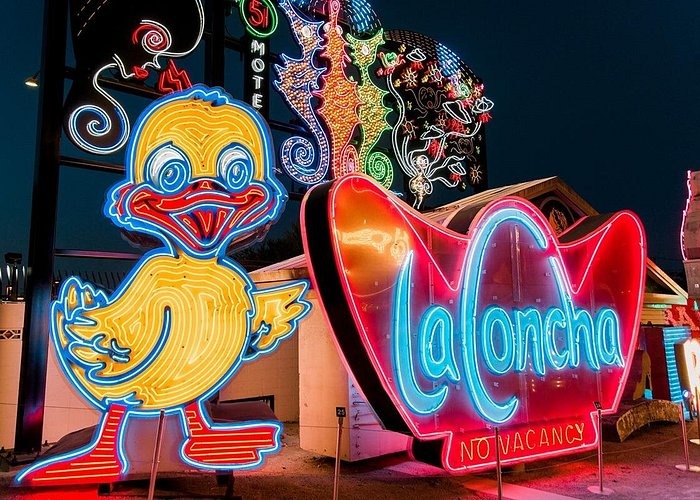
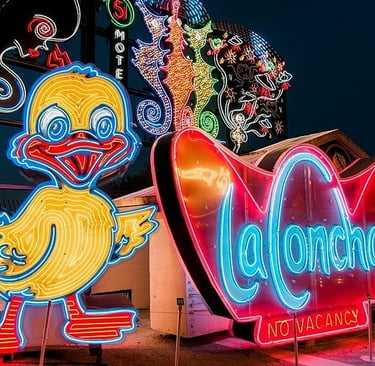
The Neon Museum is weird in a glamorous way. Instead of ancient statues or royal portraits, it preserves the glowing bones of old Las Vegas: retired signs, casino marquees, roadside icons, and neon relics from the city’s past. Walking through its outdoor “Boneyard” feels like wandering through the dreams Vegas had before LED screens took over.
This is a museum of light, lettering, nostalgia, design, and spectacle. It tells the story of a city that built itself on fantasy and then left pieces of that fantasy out in the desert sun. The signs are big, bold, theatrical, and slightly haunted. They once shouted from hotels, casinos, motels, and wedding chapels. Now they stand like relics from a lost electric civilization.
It is not weird because it is bizarre. It is weird because it makes nostalgia glow.
Go for: vintage Vegas, design history, night photography, and signs that feel like retired showgirls.
12. International Cryptozoology Museum
Bangor, Maine
Some museums ask, “What happened?”
This one asks, “What if it is still out there?”
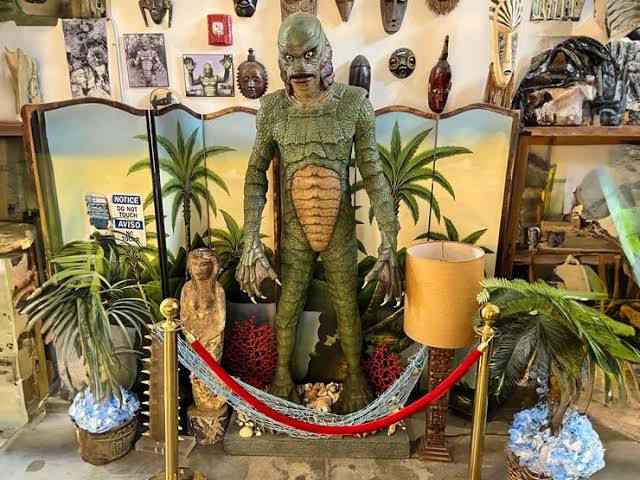
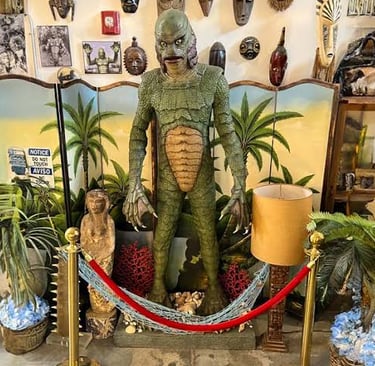
The International Cryptozoology Museum is dedicated to cryptozoology, the study of hidden or unknown animals. Think Bigfoot, the Loch Ness Monster, sea serpents, yetis, thylacines, folklore creatures, disputed sightings, and the blurry line between legend, hoax, hope, and science.
It is a perfect Curious Places museum because it does not simply display monsters. It explores why people keep looking for them.
Human beings love the idea that the world is not fully mapped. That something could still move in the woods, beneath the water, or beyond the edge of accepted knowledge. The museum taps into that little thrill we all get from an unexplained footprint.
Go for: Bigfoot energy, folklore, monster lore, and the delicious possibility that the world still has secrets.

13. CupNoodles Museum
Osaka Ikeda And Yokohama, Japan
A museum about instant noodles should not be this good.
And yet.
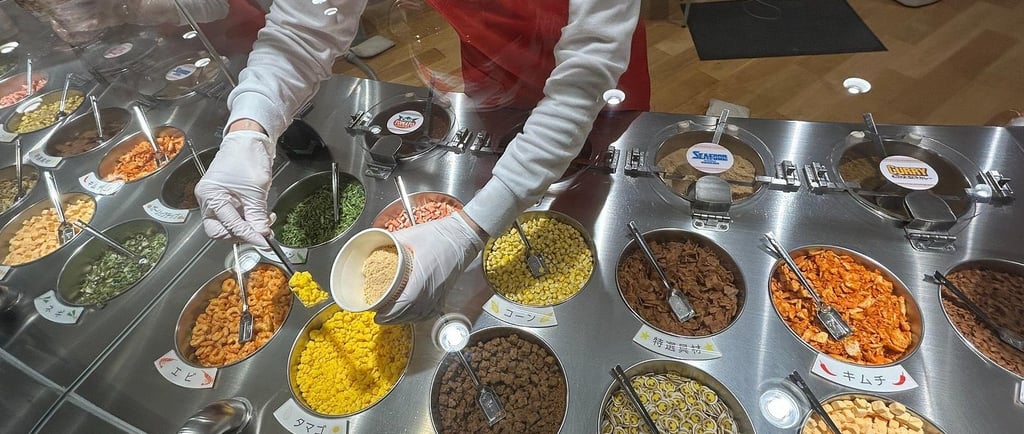
The CupNoodles Museums in Japan celebrate Momofuku Ando, the inventor of Chicken Ramen and Cup Noodles, and the wild global story of instant noodles. There are exhibits on creativity, invention, packaging, food culture, and the surprisingly emotional journey of turning a simple convenience food into a worldwide phenomenon.
At the Yokohama location, visitors can even experience attractions like the Instant Noodles History Cube and make their own personalized Cup Noodles. In Osaka Ikeda, the museum includes a recreation of the work shed where Chicken Ramen was invented.
It is quirky, colorful, deeply Japanese, and much more charming than it has any right to be.
Also, let us be honest: instant noodles have saved lives, budgets, dorm rooms, road trips, late nights, and questionable life chapters.
They deserve a museum.
Go for: food history, interactive exhibits, custom noodles, and the greatest glow-up ever given to a pantry staple.
14. Salt And Pepper Shaker Museum
Gatlinburg, Tennessee
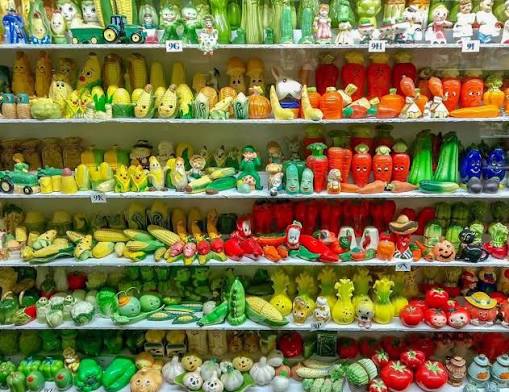
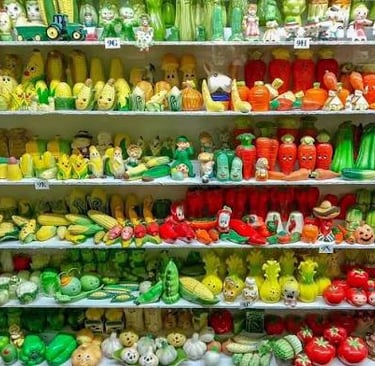
At some point, a collection becomes so specific that it circles back around to genius. The Salt and Pepper Shaker Museum in Gatlinburg is home to thousands upon thousands of salt and pepper shaker sets from around the world, plus a large pepper mill collection. Animals, vegetables, landmarks, celebrities, holiday scenes, novelty designs, tiny ceramics, strange plastics, and every possible version of “two little containers for seasoning food” seem to live here.
It sounds silly until you start looking. Then you realize salt and pepper shakers are tiny cultural time capsules. They show trends, humor, manufacturing, tourism, domestic design, and what people once considered adorable enough to put on a dinner table.This is the kind of museum that proves anything can become fascinating if someone loves it with enough intensity.
Go for: roadside Americana, kitsch, design oddities, and a reminder that collecting is just obsession with shelves.


15. British Lawnmower Museum
Southport, England
The British Lawnmower Museum sounds aggressively dull. That is why it is secretly perfect. Inside, the humble lawnmower becomes a gateway into engineering, class, gardens, suburbia, invention, celebrity ownership, and the strange romance of machines designed to make grass behave. The museum preserves vintage lawnmowers and antique garden machinery, including machines tied to famous owners.
It is the sort of place that makes you realize every ordinary object has a dramatic backstory if you look closely enough.
A lawnmower is not just a lawnmower. It is leisure. It is domestic aspiration. It is weekend ritual. It is one person standing in a yard attempting to impose order on nature with blades and stubbornness.
That is weirdly profound.
Go for: British eccentricity, old machines, garden history, and the bragging rights of visiting a lawnmower museum on purpose.
16. Museum Of Witchcraft And Magic
Boscastle, Cornwall
Some weird museums are funny. This one is atmospheric.
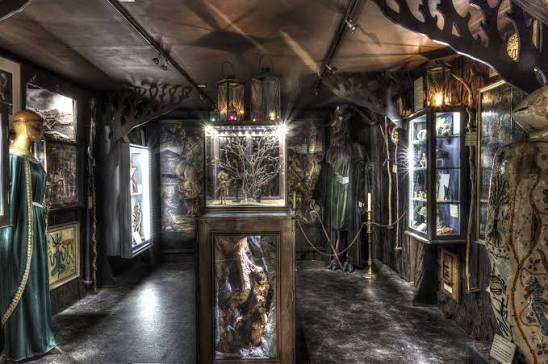
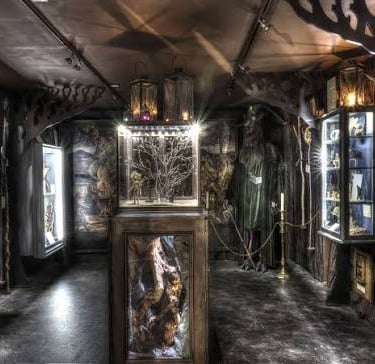
The Museum of Witchcraft and Magic in Boscastle explores witchcraft, folk magic, ritual objects, occult history, charms, spellcraft, superstition, and magical belief. Set in a Cornish coastal village, it feels exactly where it should be: near cliffs, sea wind, old stories, and the edge of things.
It is less “Halloween attraction” and more serious, strange, historic, and quietly unsettling. The collection asks visitors to think about what people have feared, believed, protected themselves with, and passed down through generations.
This museum belongs to the world of whispered cures, protective charms, village healers, accusations, rituals, and the long, complicated history of magic in everyday life. It is weird because belief is weird. And human beings have always believed in something.
Go for: folklore, occult history, Cornish atmosphere, and a museum that feels like it should be visited under a gray sky.
17. Paris Sewer Museum
Paris, France
Paris is known for romance, art, fashion, pastry, and underground infrastructure that people rarely put on postcards.
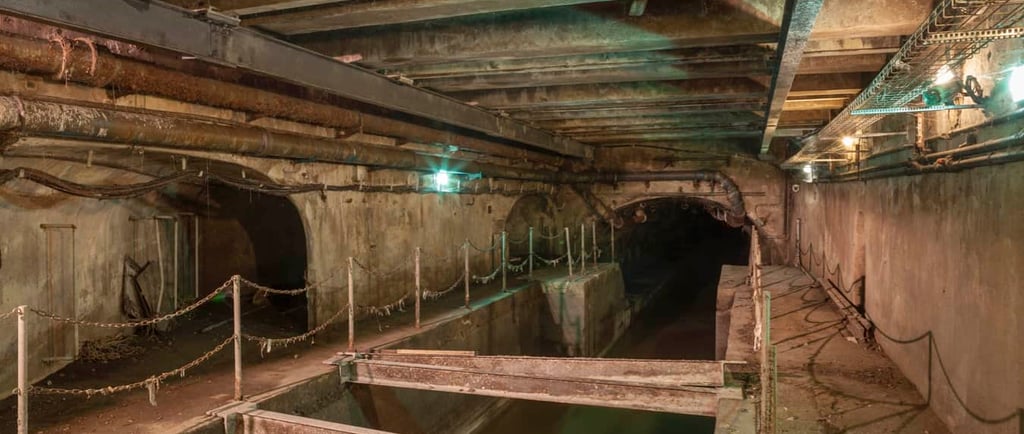
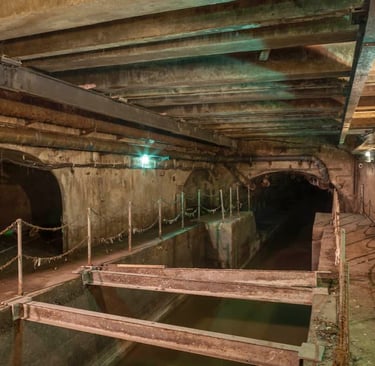
The Paris Sewer Museum takes visitors beneath the city to explore the history and engineering of the sewer system. It is strange, yes, but also deeply revealing. Every beautiful city has a hidden body. Streets, water, waste, pipes, tunnels, labor, maintenance, and systems that make glamour possible.
That is what makes this museum so good. It gives you the Paris beneath Paris.
The city of perfume and pastry cannot exist without sanitation. The boulevards need the underground. The romance needs the drains. This museum pulls the invisible system into view and somehow makes sewer history feel like urban detective work.
Go for: hidden Paris, engineering, underground history, and the rare chance to say you skipped the Louvre for the sewers.
18. MUSA, The Underwater Museum
Cancún And Isla Mujeres, Mexico
Most museums ask you not to touch the art. This one asks you to snorkel above it.
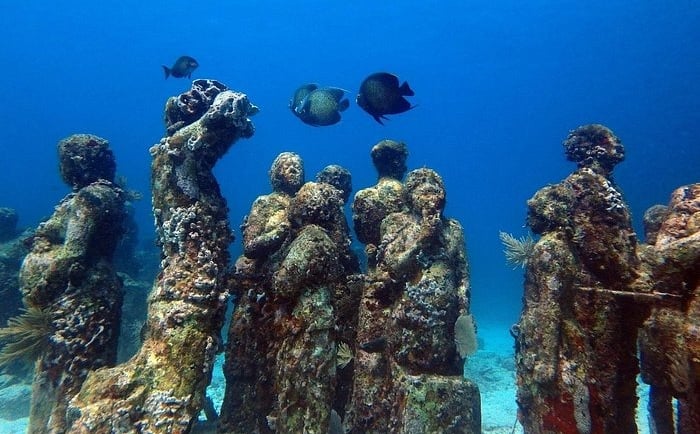
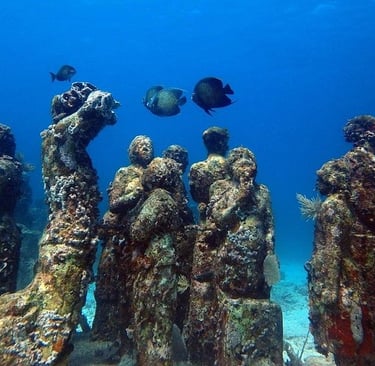
MUSA, the Museo Subacuático de Arte near Cancún and Isla Mujeres, is an underwater museum with hundreds of submerged sculptures designed to interact with the marine environment. Over time, the figures become part of the reef system, attracting marine life and transforming the artwork into something nature edits.
It is hauntingly beautiful. Human figures stand beneath the water. Coral grows. Fish pass through. The ocean takes its time changing everything. It feels like a museum after the end of the world, except the point is conservation, not apocalypse.
This is one of the few museums where the building is the sea and the lighting is sunlight moving through water.
Go for: snorkeling, diving, underwater art, conservation, and the strange beauty of sculptures becoming habitat.
Why Weird Museums Are Worth Traveling For
Weird museums are not just quirky filler between “real” attractions. They are some of the most honest places in travel. A grand museum shows what a culture officially celebrates. A weird museum shows what someone loved too much to let disappear.
Cats. Toilets. Bad paintings. Hair. Frogs. Neon signs. Broken hearts. Parasites. Lawnmowers. Dog collars. Instant noodles. Monsters. Magic.
These collections exist because somewhere, someone looked at an object, a story, a creature, a failure, or a forgotten corner of human life and said, “This matters enough to save.”
That is beautiful.
Absurd, maybe.
But beautiful.
The next time you travel, do not only ask where the famous museum is. Ask where the strange museum is. The tiny one. The obsessive one. The one no normal itinerary would prioritize. The one that makes you text someone, “You are not going to believe where I am.”
Because sometimes the best travel memory is not the masterpiece everyone told you to see. Sometimes it is a room full of frog dioramas in Croatia. And honestly, that is culture too.
Explore
Discover hidden gems in small cities worldwide.
© 2025. All rights reserved. Ripe Melland Media