Stop scrolling and start visiting

The Empress Who Refused To Be Caged: The Fascinating Life Of Empress Sisi
Discover the fascinating life of Empress Sisi, the rebellious Austrian empress whose beauty, grief, travels, and tragic death turned her into one of Europe’s most enduring royal legends.
HIDDEN HISTORIES
Sarah Melland
6/9/202612 min read
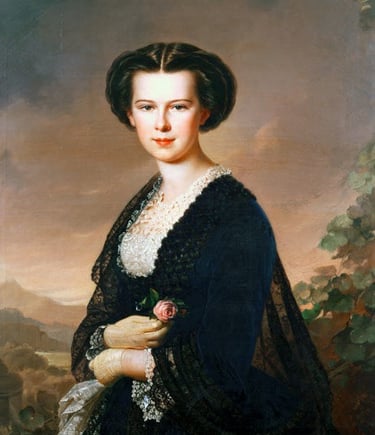
The Empress Who Refused To Be Caged
The Fascinating Life Of Empress Sisi
Some women are remembered because they wore a crown. Empress Elisabeth of Austria is remembered because she spent most of her life trying to escape one.
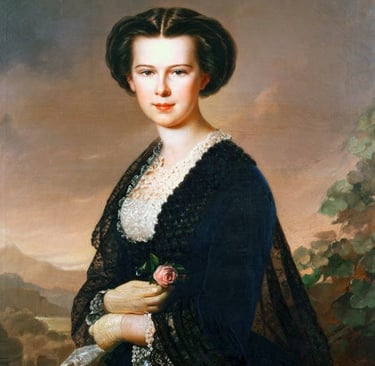
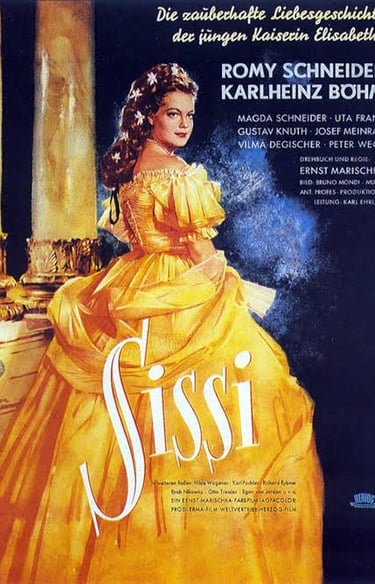
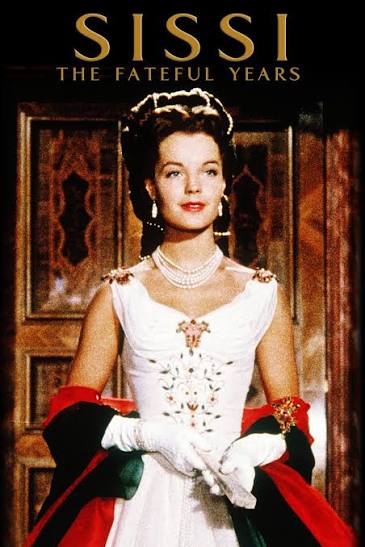
History knows her as Sisi: the beautiful empress with ankle-length hair, dark romantic eyes, a waist whispered about across Europe, and a face that seemed made for portraits, legends, and soft-focus mythology. Vienna turned her into an icon. Films turned her into a fairytale. Souvenir shops turned her into a pretty ghost in pearls.
But the real Sisi was never that simple.
She was not just a royal beauty. She was a girl pulled into an empire before she understood the cost. A young bride trapped inside the machinery of the Habsburg court. A mother separated from her children. A queen adored by Hungary. A traveler who fled palace rooms for ships, mountains, islands, and sea air. A woman obsessed with beauty, freedom, poetry, movement, and death.
She was adored, watched, judged, copied, pitied, and misunderstood. And in the end, she became something even stranger than an empress. She became a myth.
The Girl From Bavaria
Before Vienna, before the diamonds, before the portraits, before the suffocating court rules, there was a girl from Bavaria who grew up with more freedom than anyone at the imperial court would have considered useful.
Elisabeth Amalie Eugenie was born in Munich on Christmas Eve in 1837, a date almost too dramatic for someone who would later become one of Europe’s most romantic and tragic figures. She belonged to the Wittelsbach family, one of the great royal houses of Bavaria, but her childhood was not shaped by the same cold precision that waited for her in Vienna.
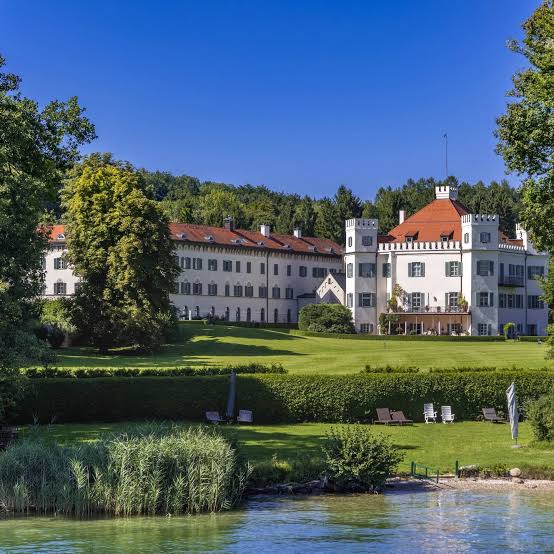
She spent time at Possenhofen Castle on Lake Starnberg, where the world was looser, greener, and less controlled. There were horses, lake winds, mountains in the distance, informal family rhythms, and the kind of childhood that made ceremony feel unnatural later.
This matters because Sisi was not born into a cage. She was born near open water. And once someone like that has known open water, palace walls do not feel grand. They feel like a threat.
The Wrong Sister
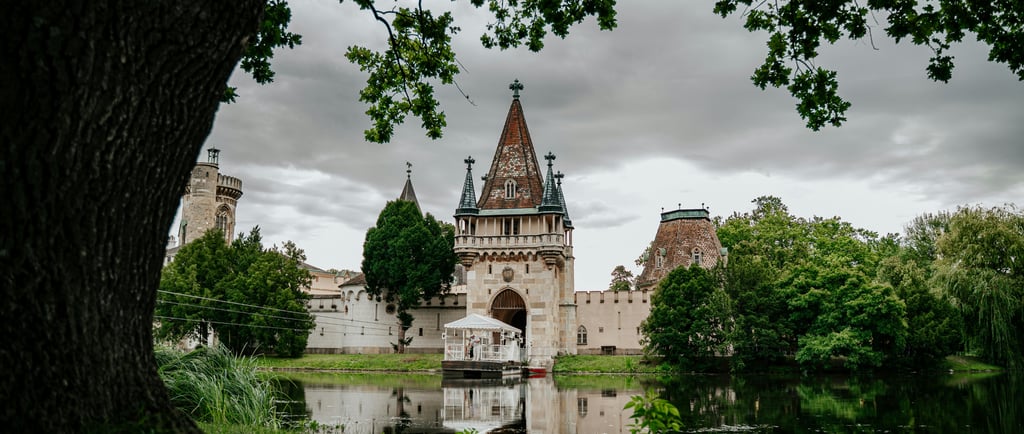
The story begins, as many royal disasters do, with a marriage plan. Franz Joseph, the young Emperor of Austria, was expected to marry Sisi’s older sister, Helene. Helene was considered more appropriate, more prepared, more suitable for the brutal etiquette of the Habsburg court. She was the sensible choice.
Then Sisi arrived.
She was young, unpolished, nervous, and not meant to be the center of the imperial arrangement. But Franz Joseph saw her, and the plan changed. It is one of those moments history loves because it looks romantic from far away: the emperor choosing the unexpected girl, love interrupting politics, the beautiful teenager becoming an empress almost overnight. But fairytales often end at the wedding because they do not want to show you what happens after the carriage doors close.
Sisi married Franz Joseph in Vienna in 1854. She was only sixteen. Imagine being sixteen and handed an empire.
Not a castle.
Not a title.
An empire.
Every gesture was watched. Every hour was structured. Every weakness was noted. Every natural impulse was corrected. She had to learn not only how to be a wife, but how to become a symbol: the imperial woman, the public beauty, the living ornament of one of Europe’s most powerful courts.
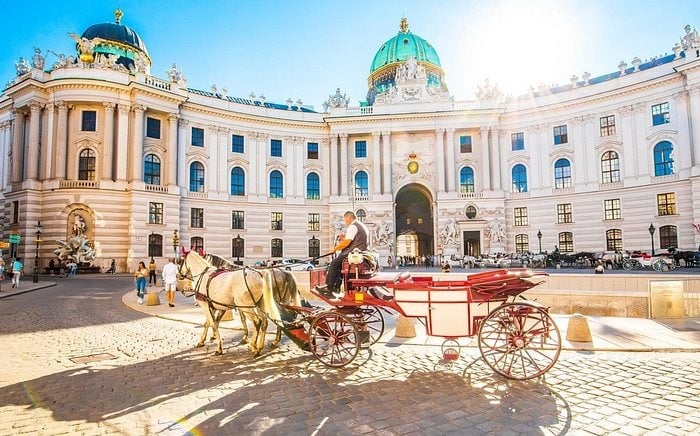
The girl from Lake Starnberg had entered the Hofburg. And almost immediately, the walls began closing in.
The Golden Cage Of Vienna
The Viennese court was not built for wildness. It was built for order, hierarchy, protocol, and silence. The Habsburg world had rules for everything: who walked where, who spoke first, who bowed, who entered, who waited, who watched, who obeyed. Privacy was rare. Spontaneity was suspicious. Emotion had to be managed before it became inconvenient.
Sisi struggled.
The court wanted her to become an empress. Not a woman. Not a girl. Not a person with preferences, fears, moods, griefs, and opinions. An empress.
Even motherhood did not fully belong to her. Her early children were largely controlled by the court, especially by Archduchess Sophie, Franz Joseph’s formidable mother. Sisi was young, isolated, and increasingly unhappy. She had entered marriage expecting love and found herself inside an institution.
That is the heartbreaking tension at the center of her life. Franz Joseph loved her, in his own restrained and imperial way. But love was not enough to free her from the system he represented.
He was the empire.
She wanted air.
Beauty As Armor
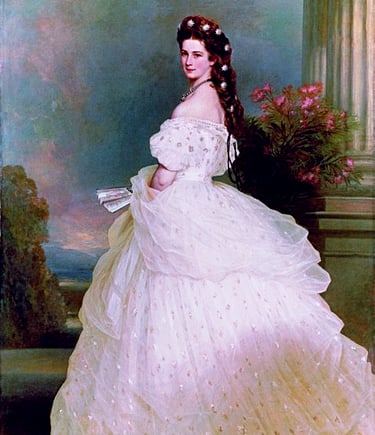
If Vienna wanted Sisi to be an image, she would become an unforgettable one. Her beauty became famous across Europe. Her hair, thick and impossibly long, became part of her legend. Her figure became the subject of obsession. Her portraits turned her into a royal dream: serene, pale, unreachable, almost supernatural.
But beauty was not just vanity for Sisi. It was control.
In a life where so much had been taken from her, her body became one of the few territories she could govern. She exercised intensely. She rode horses with remarkable skill. She watched her diet. She maintained elaborate routines. She cultivated the image that others consumed, but she also used that image as a shield.
The court could demand her presence, but she could make herself untouchable. The public could adore her face, but they could not fully know her. The portrait could be admired, copied, printed, framed, and worshipped. But the woman inside it could still disappear.
And disappear she did.
Again and again.
The Queen Hungary Loved
Sisi may have felt alien in Vienna, but Hungary saw something else in her.
To many Hungarians, she represented softness inside the Habsburg machine. She learned the Hungarian language, admired Hungarian culture, and formed close relationships with Hungarian figures at court. Her affection for Hungary was not just decorative. It became one of the few political identities she clearly embraced.
In 1867, after the Austro-Hungarian Compromise created the Dual Monarchy, Franz Joseph and Elisabeth were crowned King and Queen of Hungary in Budapest.
For Sisi, Hungary offered something Vienna had not: admiration without the same suffocating contempt, ceremony with a sense of emotional reward, and a country that loved her not only because she was beautiful, but because she seemed to love it back.
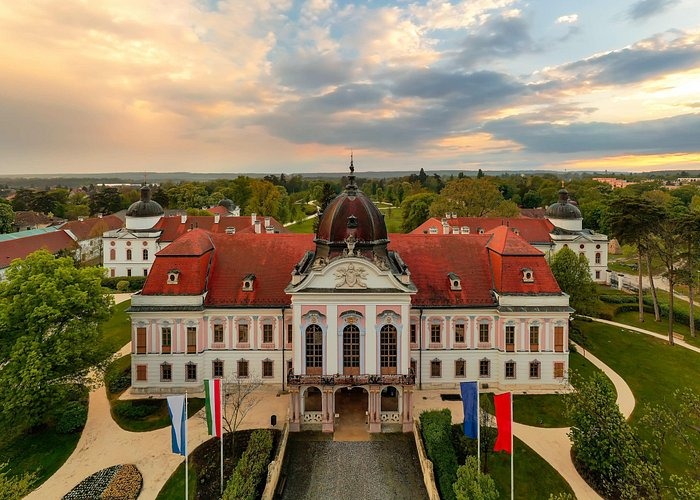
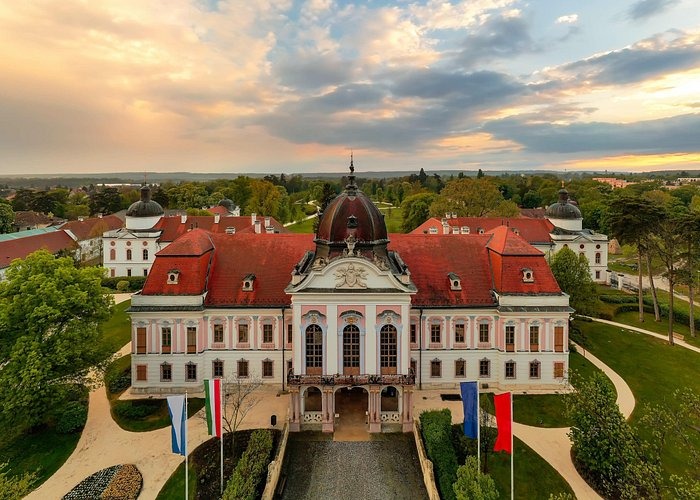
At Gödöllő Palace, the royal residence outside Budapest, she found more freedom than she often had in Vienna. She could ride, breathe, and exist with less constant pressure.
Hungary gave her a role she could step into without feeling entirely erased by it. That is part of why her legend there became so powerful.
Austria owned the empress.
Hungary adored the woman.
The Empress Who Kept Running
If Sisi could not escape history, she could at least escape rooms. She became one of Europe’s great royal wanderers, traveling constantly through the Mediterranean, across mountains, to spas, islands, seaside towns, and distant estates. Travel was not a hobby for her. It was a survival method.
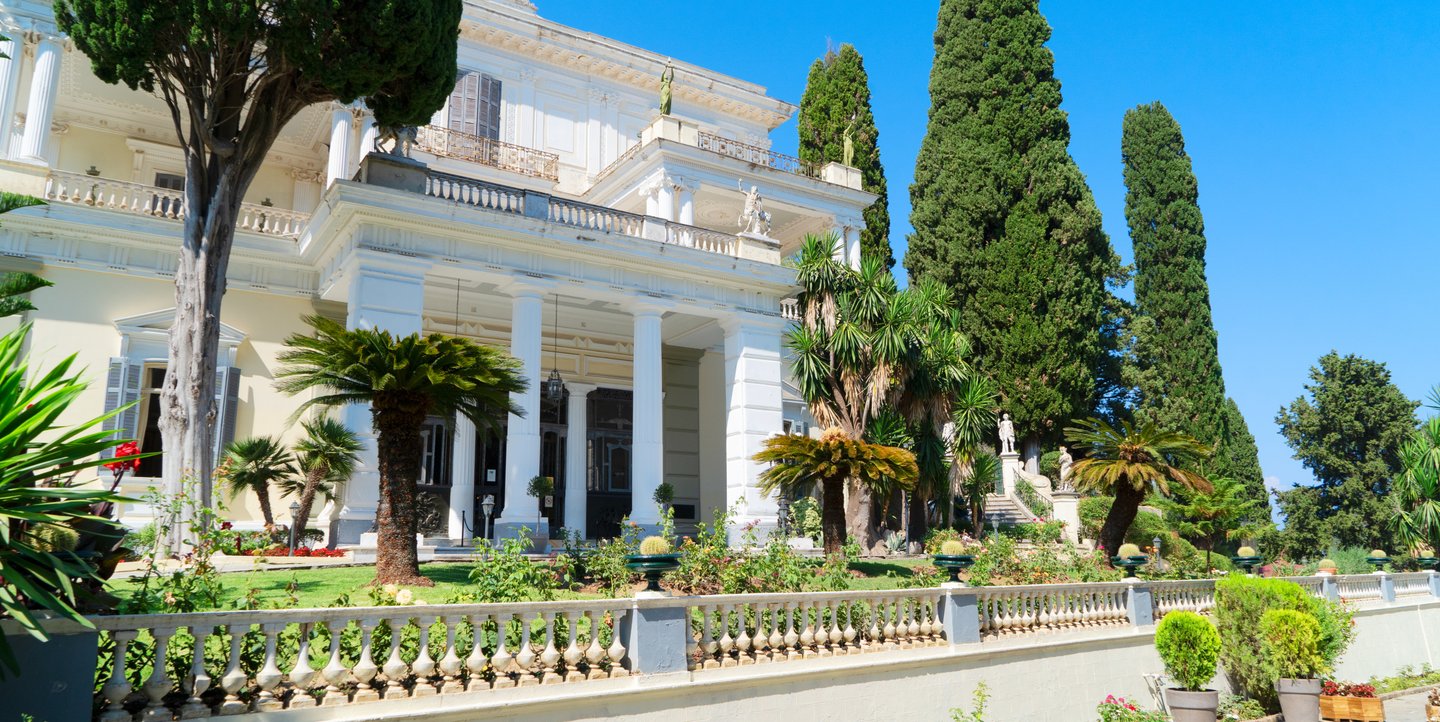
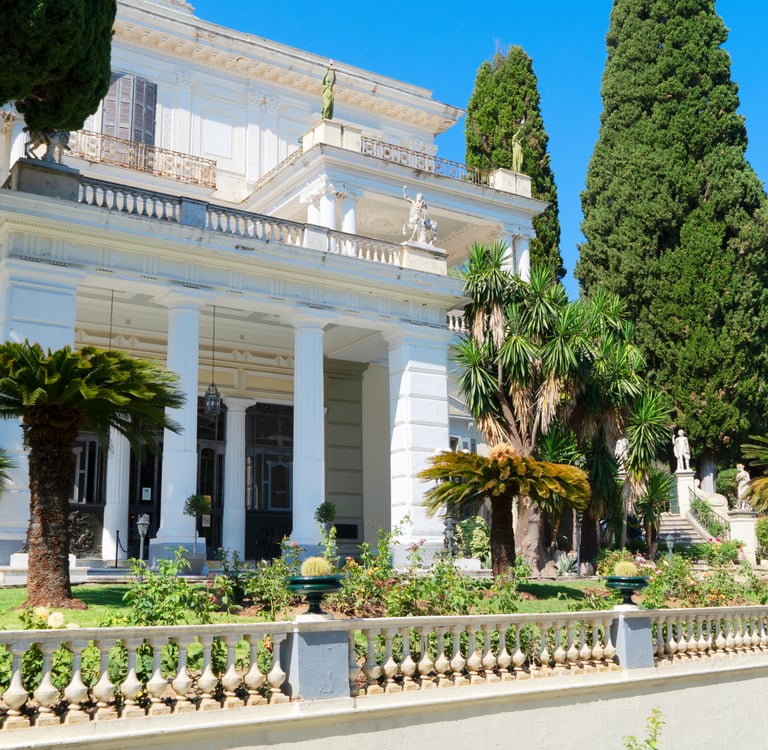
Movement gave her what court life denied her: air, anonymity, distance, and the illusion of choice. She went to Madeira. She went to England and Ireland. She loved Greece. She built the Achilleion Palace on Corfu, a neoclassical refuge inspired by Achilles, the tragic hero she admired. That choice says so much about her. She did not build a palace to celebrate imperial power. She built one around a doomed, beautiful, wounded figure from myth.
By then, Sisi herself had become almost mythic. She hid behind fans and veils. She avoided being photographed as she aged. She walked quickly. She traveled under assumed names. She wrote poetry. She withdrew from court life and from the public image that had once made her famous.
The world wanted to keep looking at her.
She wanted to vanish.
Mayerling And The Black Dress
Then came the tragedy that changed everything.
In 1889, Sisi’s only son, Crown Prince Rudolf, died at Mayerling with Baroness Mary Vetsera in one of the most infamous scandals of the Habsburg world. The event was a dynastic crisis, a political earthquake, and a personal devastation from which Sisi never truly recovered.
After Rudolf’s death, the romantic sadness around her hardened into something darker. She wore black. She traveled even more. She withdrew further from public life. The woman who had once seemed like a symbol of imperial beauty became a moving shadow, crossing Europe with grief behind her veil.
There is something almost ghostly about the final years of Sisi’s life. She was alive, but increasingly absent. Present, but unreachable. Famous, but hidden. She had become the thing she had spent decades trying to control: a story other people told.
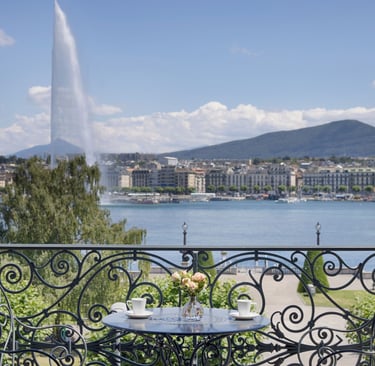
Geneva
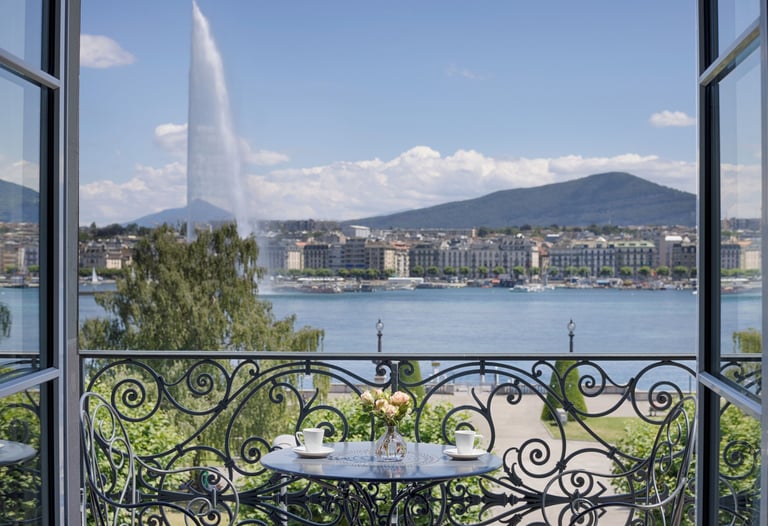
Her end came not in a palace, but on a lakeside promenade. In September 1898, Sisi was in Geneva, traveling quietly. She was sixty years old, still restless, still moving, still refusing the heavy pageantry of imperial life. She was walking with her lady-in-waiting toward a steamship when Luigi Lucheni, an Italian anarchist, attacked her with a sharpened file.
At first, she did not realize how badly she had been wounded. That detail feels impossible, almost symbolic. Sisi, who had endured so many invisible wounds in life, did not immediately recognize the fatal one.
She continued toward the boat. She boarded. Then she collapsed.
The empress who had spent her life trying to outrun the crown died far from Vienna, beside the water, while traveling under the kind of quiet anonymity she had always craved.
It was tragic. It was shocking. It was strangely fitting.
Sisi never belonged fully to the palace.
Even death found her on the move.
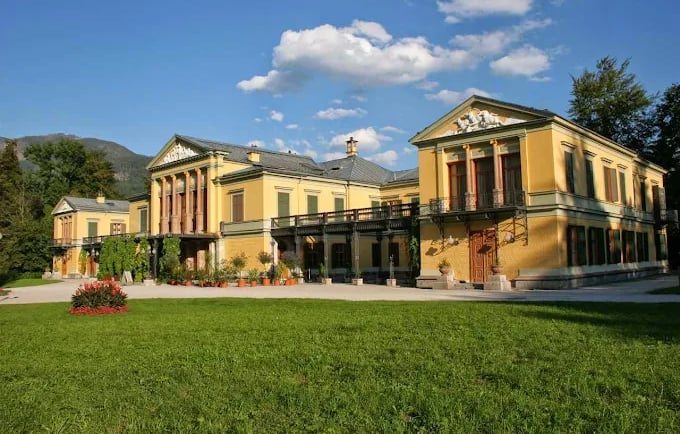
Why Sisi Still Fascinates Us
Sisi endures because she refuses to stay in one category. She was privileged beyond imagination and trapped beyond endurance. She was vain and wounded. Powerful and powerless. Romantic and difficult. A royal celebrity who hated being watched. A beauty icon who feared aging. A wife who was loved but not understood. A mother marked by loss. A queen who inspired devotion in Hungary while disappointing expectations in Vienna.
She is easy to romanticize, but more interesting when we do not.
The real Sisi was not a Disney empress. She was not a perfect rebel. She was not merely a victim. She was complicated, contradictory, and often painfully human.
That is why her story still feels modern. Because beneath the diamonds and gowns is a question many people understand:
What happens when the life everyone envies feels unbearable to the person living it?
Sisi had palaces and jewels, but she wanted privacy.
She had status, but wanted freedom.
She had adoration, but wanted to disappear.
She had a crown, but never stopped looking for an exit.
Following Sisi Today
To follow Sisi’s story today, start in Vienna, where the myth and the woman still haunt the imperial rooms.
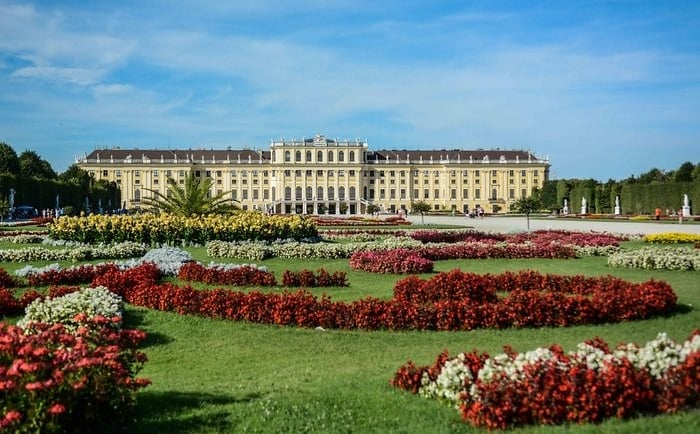
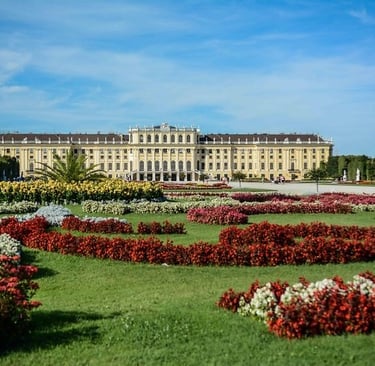
The Hofburg Palace holds the Sisi Museum, where visitors can see personal objects, portraits, gowns, and carefully staged rooms that explore the divide between the famous image and the real woman behind it. Schönbrunn Palace offers another glimpse into the Habsburg world she found so difficult to inhabit. In Budapest, Gödöllő Palace reveals the Hungarian chapter of her life, the place where she felt more adored and less imprisoned. In Corfu, the Achilleion Palace shows the dream palace she built for herself after grief had changed her completely.
But the most powerful way to understand Sisi may not be through any single room.
It is through the pattern.
Vienna. Hungary. Corfu. Geneva.
Palaces, ships, trains, promenades, islands.
A woman always leaving.
A world always trying to hold on.
Best Books To Read About Empress Sisi
Best Books To Read About Empress Sisi features a thoughtfully curated mix of biographies, historical fiction, and atmospheric reads that bring Elisabeth of Austria’s fascinating life into sharper focus. From her rebellious spirit and legendary beauty to the palaces, politics, grief, and restless travels that shaped her story, these books help readers step beyond the myth and understand the real woman behind one of Europe’s most captivating royal legends.


Nonfiction
Discover the most fascinating nonfiction books about Empress Sisi, from revealing biographies to richly detailed histories of the Habsburg court, imperial Vienna, and nineteenth-century Europe. These essential reads explore the real woman behind the legend, including her beauty, rebellion, travels, grief, and complicated role as one of Europe’s most unforgettable royal figures.
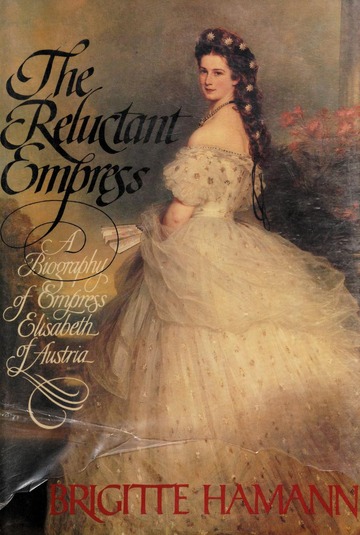
The Reluctant Empress by Brigitte Hamann
Start here. This is the big one. If you only read one serious biography about Sisi, make it this one. It strips away the pretty fairytale version and shows the complicated, restless, difficult, brilliant, trapped woman behind the portraits.
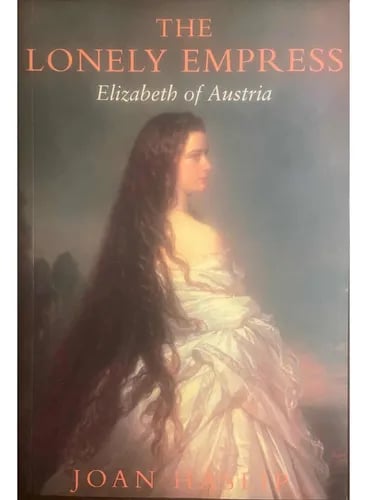
The Lonely Empress by Joan Haslip
A beautifully readable older biography with a more romantic, tragic tone. This is a great choice if you want something that feels literary and melancholy, while still giving you a strong sense of Sisi’s strange, lonely world.
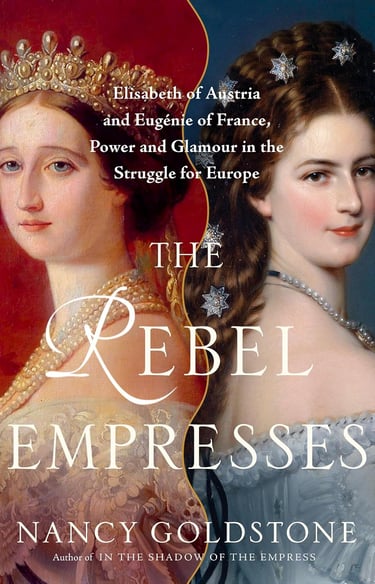
The Rebel Empresses by Nancy Goldstone
Perfect if you want Sisi in a bigger European power story. This book pairs Elisabeth of Austria with Eugénie of France and looks at beauty, politics, glamour, scandal, war, and female power in nineteenth-century Europe.
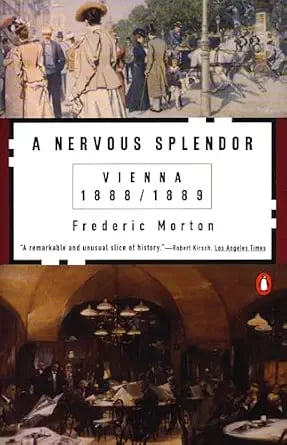
A Nervous Splendor: Vienna 1888–1889 by Frederic Morton
Not strictly a Sisi biography, but absolutely worth reading if you want the atmosphere around the Mayerling tragedy, Crown Prince Rudolf, and late imperial Vienna. It reads like a historical fever dream.
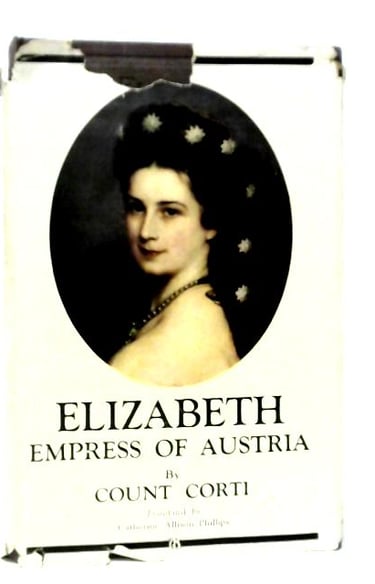
Elizabeth, Empress of Austria by Egon Corti
An older, more traditional biography, but still useful if you want a classic historical account. It is less modern in tone than Hamann, but it gives a strong full-life portrait.
Fiction
Step into the dramatic world of Empress Sisi through historical fiction filled with romance, palace intrigue, royal pressure, and the restless spirit of a woman who refused to be easily defined. These novels bring Elisabeth of Austria’s story to life with emotional depth, vivid settings, and the kind of captivating storytelling that makes history feel intimate, glamorous, and heartbreakingly human.
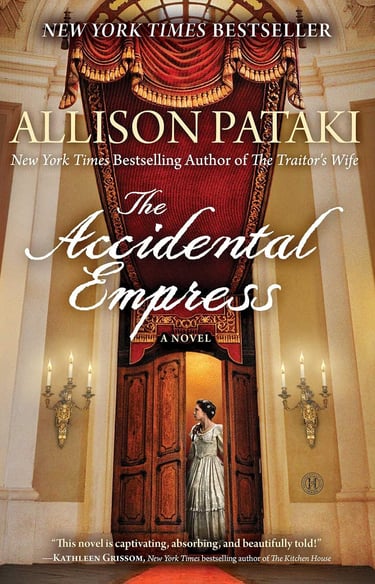
The Accidental Empress by Allison Pataki
This is the one I would recommend first for historical fiction. It covers young Sisi, the mistaken marriage plan with her sister Helene, Franz Joseph choosing her instead, and the glittering nightmare of entering the Habsburg court as a teenager.
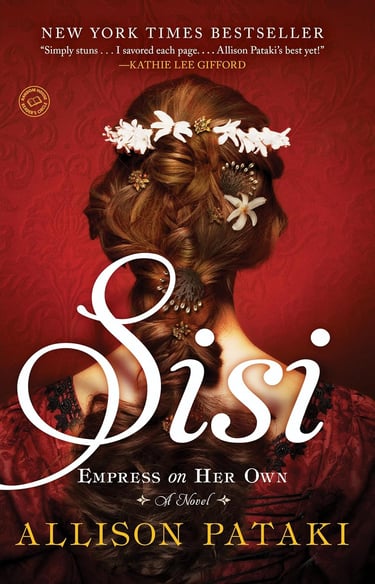
Sisi: Empress on Her Own by Allison Pataki
Read this after The Accidental Empress. It follows the later Sisi: the restless traveler, the beauty icon, the mother, the queen of Hungary, and the woman trying to claim some kind of freedom inside an impossible life.
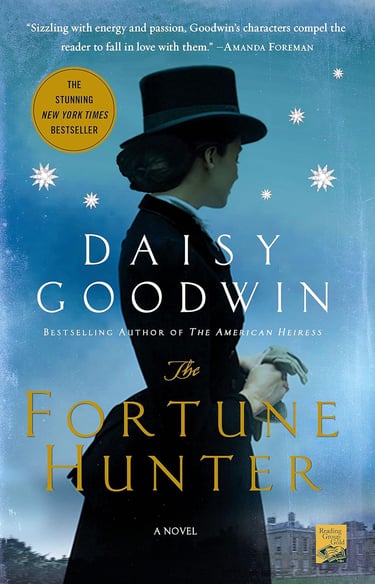
The Fortune Hunter by Daisy Goodwin
This is great if you want Sisi as a glamorous, complicated side character rather than the sole focus. It leans into her riding, beauty, restlessness, and emotional distance from court life.

The Empress by Gigi Griffis
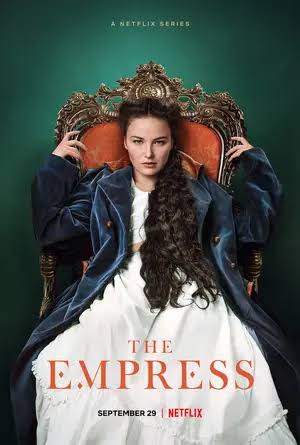
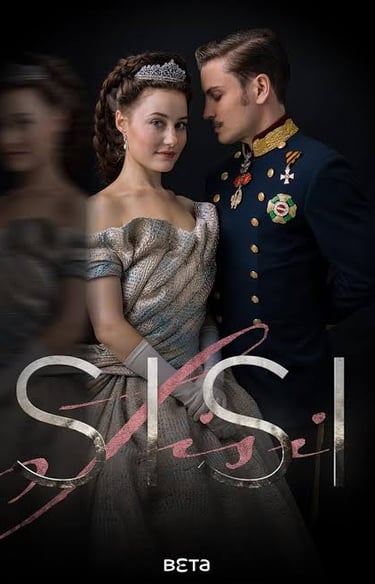
A good pick for readers who loved the Netflix series. It is a companion novel to the show, so it is more romantic and dramatic than deeply historical, but it is easy to read and perfect for people who want palace intrigue, longing looks, and a younger Sisi.
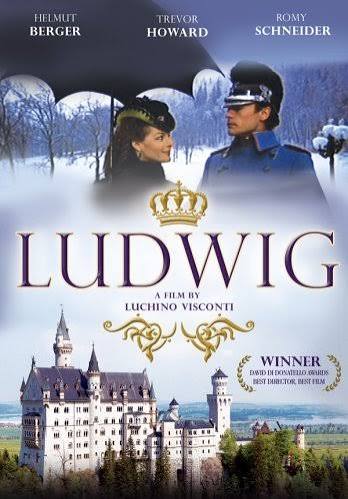
Best Movies And Series About Empress Sisi
Best Books To Read About Empress Sisi features a thoughtfully curated mix of biographies, historical fiction, and atmospheric reads that bring Elisabeth of Austria’s fascinating life into sharper focus. From her rebellious spirit and legendary beauty to the palaces, politics, grief, and restless travels that shaped her story, these books help readers step beyond the myth and understand the real woman behind one of Europe’s most captivating royal legends.

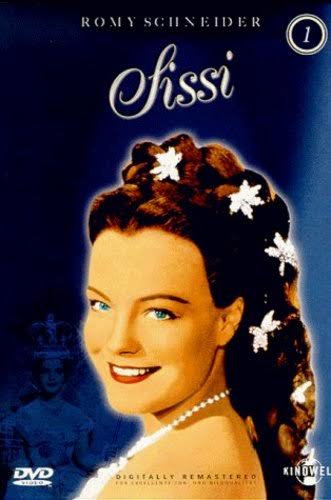


The Hidden History Behind The Fairytale
The old portraits make Sisi look still. History proves she was anything but.
She was motion, resistance, beauty, grief, discipline, escape, and longing. She was the empress who would not sit quietly inside her own legend. The more the court tried to define her, the more she slipped away. The more the public worshipped her image, the more she hid her face.
And maybe that is why we cannot stop looking. Not because she was perfect. Because she was trapped inside a perfect picture and spent her life trying to break the frame.
Explore
Discover hidden gems in small cities worldwide.
© 2025. All rights reserved. Ripe Melland Media