Stop scrolling and start visiting

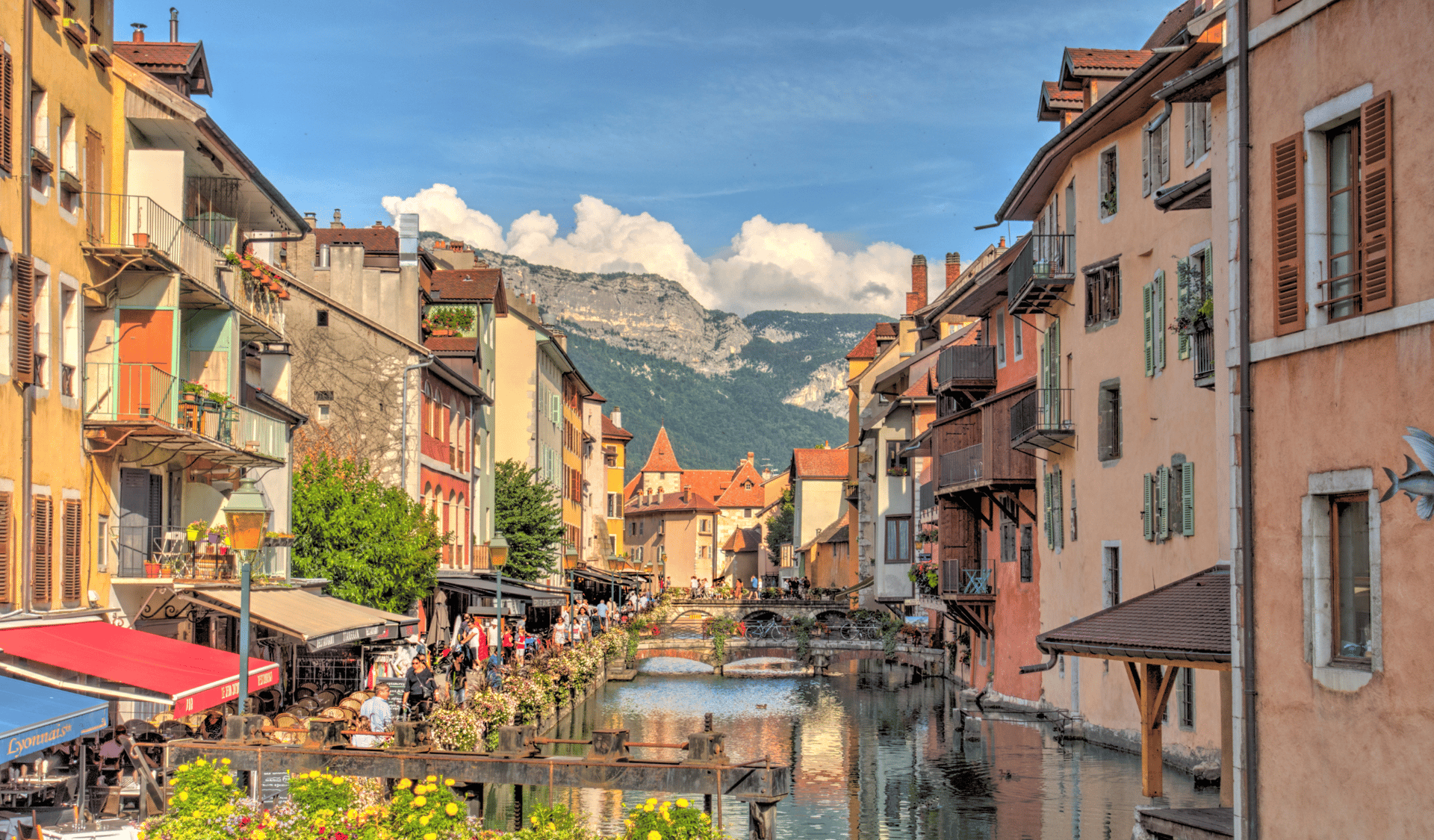
Cobblestone Streets, Indigo Art and Lake Views in Suchitoto,
El Salvador
Discover El Salvador’s cultural heart, where whitewashed churches, tiled roofs, artists’ workshops and centuries of history overlook the islands and mountains of Lake Suchitlán.
Quick Snapshot
A Colonial-Style City Built Around Art, Memory and Community
Suchitoto is the kind of small city that rewards travelers who slow down. Its compact historic center is filled with cobblestone streets, adobe buildings, clay-tiled roofs, shaded courtyards and balconies overlooking Lake Suchitlán. Museums preserve the work of Salvadoran artists and filmmakers, community spaces document the civil war and its aftermath, and workshops keep traditional indigo dyeing, cooking and artisan practices alive. The historic district was declared a Cultural Heritage Historic Ensemble in 1997.
Best Time to Visit
November through April generally offers the driest conditions for walking the historic streets, photographing the city and taking outdoor excursions. January and February are especially dry, while March and April are warmer.
May through October is the rainy season. Showers often intensify later in the day, and rural roads or steep paths can become slippery. The wetter months bring greener landscapes and better water flow at Los Tercios Waterfall, which may have little or no water during the dry season.
Budget Range
These are approximate daily planning ranges per person, excluding international transportation:
Budget: $40–$70 with a hostel or simple guesthouse, local meals and public transportation.
Mid-Range: $100–$180 with a boutique hotel, established restaurants and several paid experiences.
Luxury: $225 or more with premium lodging, private transportation, guides and destination dining.
Weekend rates can be higher because Suchitoto is a popular escape for residents of San Salvador. Festival weekends, Holy Week and the December patronal celebrations should be reserved well in advance.
Why Visit?
Visit Suchitoto for one of the most atmospheric and culturally substantial small-city experiences in Central America. It combines preserved architecture, significant Salvadoran history, intimate museums, destination restaurants, local festivals, community tourism and easy access to waterfalls, forests and archaeological sites. Unlike destinations built almost entirely around one attraction, Suchitoto has enough history and everyday character to justify several days of exploration.
Best Areas to Stay
Around Parque Centenario and Santa Lucía Church
The best location for first-time visitors who want immediate access to restaurants, cafés, the main plaza, museums and the most photogenic streets. This area is convenient but can become lively during weekends and festivals.
Around Parque San Martín
A quieter cultural area near the Teatro Alejandro Cotto and several heritage buildings. It remains walkable to the central plaza while offering a more residential atmosphere.
The Eastern Side of the Historic Center
Several properties along the elevated eastern edge offer views toward Lake Suchitlán. This is a strong choice for romantic stays, sunset terraces and travelers who value scenery over being directly beside the plaza.
Toward Puerto San Juan
The lakefront area is quieter and closer to boat departures, but it has fewer evening services than the historic center. Travelers staying here may need a mototaxi after dark.
Weather Overview
November–February: Dry, sunny and warm, with cooler evenings.
March–April: The hottest portion of the dry season.
May–August: Warm and humid with regular rain, often during afternoons or evenings.
September–October: Among the wettest months, with a greater possibility of heavy rain and travel disruptions.
Year-Round: Daytime temperatures are commonly warm to hot, while early mornings can feel more comfortable due to Suchitoto’s elevation.
Local Language and Common Phrases
Spanish is the official language. English is spoken by some hotel employees, tour guides and tourism businesses, but it should not be expected in ordinary shops, markets or public transportation. The name Suchitoto is commonly interpreted from Náhuat as the “place of birds and flowers.”
Hola: Hello — OH-lah
Buenos días: Good morning — BWEH-nohs DEE-ahs
Buenas tardes: Good afternoon — BWEH-nahs TAR-dehs
Por favor: Please — por fah-VOR
Gracias: Thank you — GRAH-syahs
¿Cuánto cuesta?: How much does it cost? — KWAHN-toh KWEHS-tah
¿Dónde está el parque central?: Where is the central park? — DOHN-deh eh-STAH el PAR-keh sen-TRAL
Quisiera una pupusa: I would like a pupusa — kee-SYEH-rah OO-nah poo-POO-sah
¿A qué hora sale el autobús?: What time does the bus leave? — ah keh OR-ah SAH-leh el ow-toh-BOOS
La cuenta, por favor: The bill, please — lah KWEHN-tah por fah-VOR
Currency & Payment Options
The U.S. dollar is the principal currency travelers should use. Credit cards are accepted at many established hotels and restaurants, but smaller cafés, workshops, mototaxis, market stalls and independent attractions may require cash. ATMs are available, although machines can be out of order or charge substantial withdrawal fees. Carry small denominations because some businesses cannot easily change $50 or $100 notes.
Bitcoin may be available as a voluntary payment option at some businesses, but acceptance is limited and travelers should not depend upon it. U.S. dollars remain the practical choice for everyday travel.
Time Zone
Suchitoto follows Central Standard Time, UTC−6, throughout the year. El Salvador does not observe daylight saving time.
Tipping Etiquette
A tip of approximately 10% is customary at restaurants and bars, but many establishments already add a service charge of roughly 10% to 12%. Check the bill before leaving an additional tip. Small cash tips are appreciated by hotel employees, boat operators, drivers and guides.
Visa Requirements & Entry Rules
U.S. citizens currently do not need a tourist visa for visits of 90 days or less. Passports must be valid at the time of entry, and travelers may be asked for evidence of onward travel. El Salvador participates in the CA-4 agreement with Guatemala, Honduras and Nicaragua, meaning the 90-day allowance is generally shared across the four countries rather than renewed at each border.
Some travelers may be required to purchase a tourist card, depending on nationality. Yellow-fever vaccination requirements apply to visitors arriving from certain countries in South America and Africa. Entry regulations should always be reconfirmed shortly before departure.
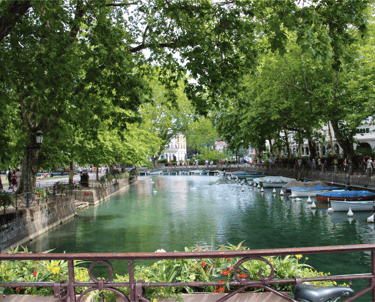
Packing Tips and What to Wear
Pack breathable clothing, comfortable walking shoes with strong soles, sunscreen, a hat, insect repellent and a refillable water bottle. Suchitoto’s uneven cobblestones are beautiful but unfriendly to thin sandals and wheeled luggage.
During the rainy season, bring a lightweight rain jacket, quick-drying clothing and shoes with traction. A compact umbrella is useful within town, but a rain jacket is better for waterfalls, forests and archaeological excursions. Churches and religious celebrations call for respectful clothing that covers the shoulders and midriff.
How to Get Around Suchitoto
Suchitoto’s historic center is compact enough to explore on foot. The principal challenges are cobblestones, midday heat and occasional steep sections. Mototaxis provide inexpensive transportation to hotels, Puerto San Juan and Los Tercios. Confirm the price before departing and carry small bills.
Route 129 connects Suchitoto with the San Salvador area. Recent 2026 traveler reports indicate that terminal arrangements have changed, with some services using Terminal Nuevo Amanecer rather than older arrival points, so the departure location should be confirmed on the day of travel. Private transfers are significantly easier for travelers with luggage or tight schedules.
Rental cars provide more freedom for Ciudad Vieja, Cinquera and Cihuatán, but intercity driving after dark is not recommended because of poor lighting, hilly roads and the possibility of landslides during heavy rain.
How to Get Around Suchitoto
The U.S. Department of State currently places El Salvador at Level 1: Exercise Normal Precautions. Crime has decreased substantially, but theft and other offenses remain possible. Use ordinary urban precautions, protect phones and wallets, avoid isolated streets late at night and arrange trusted transportation through a hotel or established operator.
Suchitoto has a dedicated tourism-police post. Carry a copy of the identification page of your passport, keep the original secured when practical and avoid photographing police, military facilities or security operations.
Lake Suchitlán experienced a serious environmental episode involving invasive aquatic plants, fish deaths and pollution concerns during 2025. By July 2026, the water appeared visually improved and tourism was slowly returning, but the underlying causes remained unresolved. Treat the lake primarily as a boating and birdwatching destination, avoid swimming, and check current local guidance before activities involving direct water contact.
Amazing History
The name Suchitoto is generally linked to Náhuat words interpreted as the “place of birds and flowers,” reflecting the Indigenous history that long preceded Spanish settlement. The surrounding region formed part of a landscape inhabited by Pipil communities when Spanish forces entered the territory during the sixteenth century. The violence and resistance of the conquest shaped the earliest colonial settlements in the area.
In 1528, Spanish colonists established the second documented settlement of San Salvador at Ciudad Vieja in the La Bermuda Valley, approximately ten kilometers from present-day Suchitoto. Archaeological evidence reveals a planned grid, central plaza, town hall, church, residences, workshops and defensive positions. The settlement was multiethnic, including Spaniards, Indigenous allies from Mexico and Central America, Pipil residents and people of African descent. It was abandoned in 1545 when San Salvador moved to its present location.
The modern city of Suchitoto developed through the colonial and republican periods as an agricultural and commercial center. Indigo, tobacco, sugar, cattle and regional trade influenced its economy. Suchitoto received the title of city on July 15, 1858. The present Santa Lucía Church was constructed between 1853 and 1857 after fire destroyed an earlier temple, and its white façade became the defining monument of the town.
Suchitoto’s adobe houses, tiled roofs, interior courtyards, neoclassical details and traditional street plan survived in unusually cohesive form. Its value lies not only in individual monuments but in the visual unity of the entire cityscape. That architectural character led to the declaration of Suchitoto as a Historic Ensemble of Cultural Interest in 1997.
The Salvadoran Civil War from 1980 to 1992 transformed the municipality. Rural communities around Suchitoto endured repression, displacement, exile and later repopulation. The hills surrounding the city became contested territory, and the experiences of civilians, former combatants and returning families remain central to local memory. The Museo Comunitario La Memoria Vive now preserves oral histories and exhibitions connected to the war, the creation of Lake Suchitlán and the rebuilding of communities.
Suchitoto’s cultural resurgence is closely associated with filmmaker and arts advocate Alejandro Cotto. He helped establish the city’s International Festival of Art and Culture and supported the restoration of cultural buildings, including the theater that now bears his name. Community organizations, artists, returning residents and Centro Arte para la Paz continued that work after the war, helping transform Suchitoto into one of El Salvador’s most important cultural destinations.
Hotels
Budget
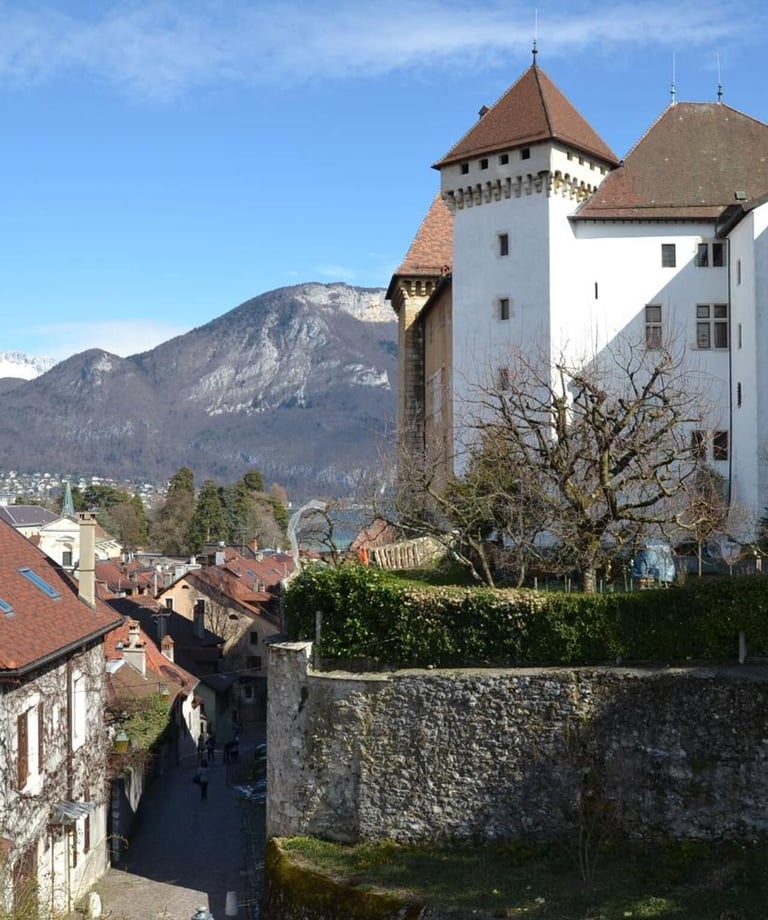
Hostal Casa del Sol - Surrounded by gardens, cultural spaces and the center’s museum and café. community.
Where to Stay
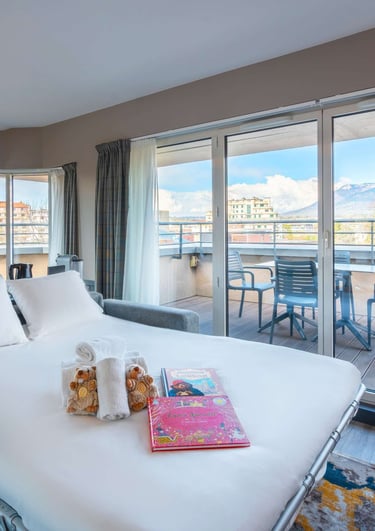
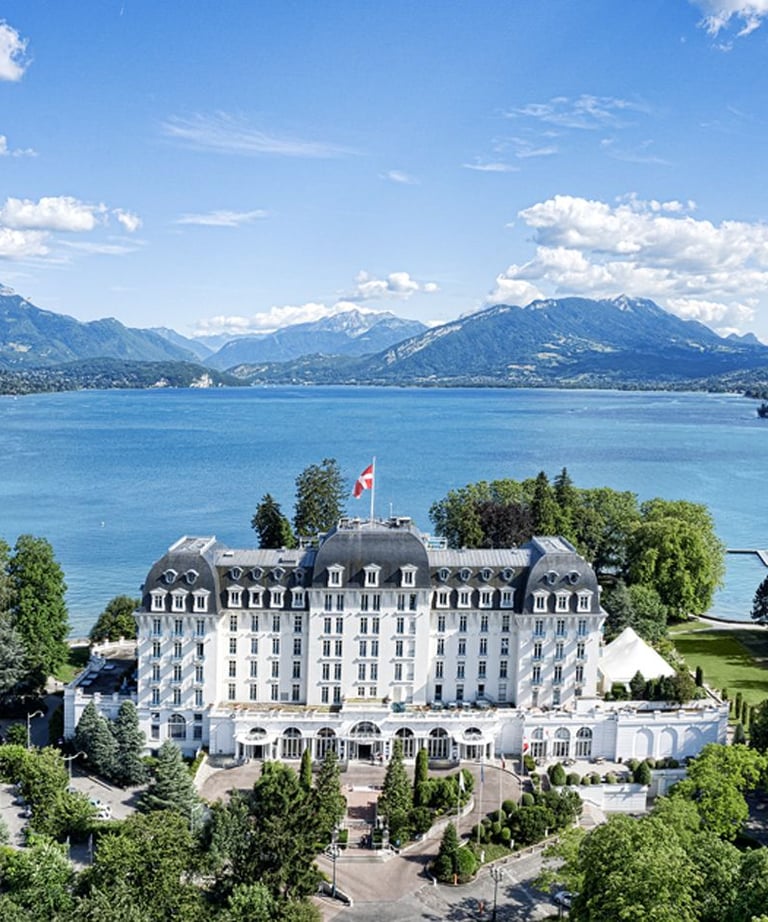
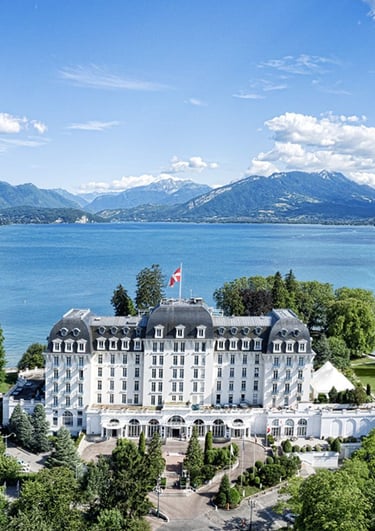
Mid-Range
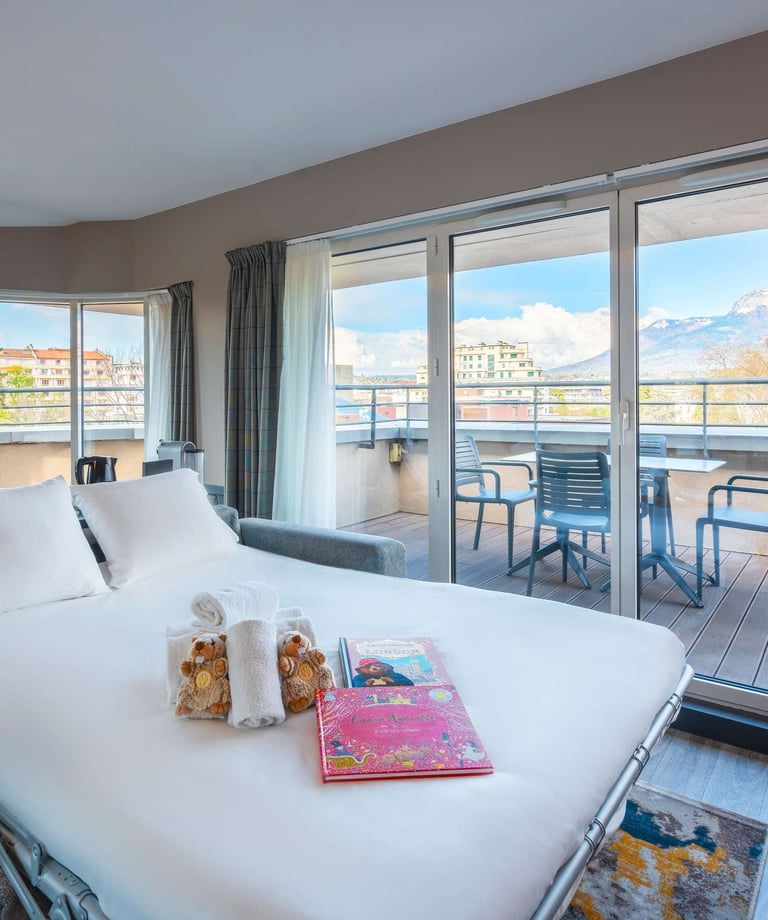
Casa 1800 Suchitoto - Overlooks Lake Suchitlán. Known for its outdoor restaurant, lake views, and photogenic terraces.
Luxury
Los Almendros de San Lorenzo – Individually designed rooms surround courtyards and a tropical garden with a swimming pool.
Best Things to Do in Suchitoto
Churches, Waterfalls, Lake Islands and Living History
Suchitoto’s essential experiences are divided between the compact historic center and the natural landscapes surrounding it. A visitor can walk through nineteenth-century streets in the morning, explore community museums during the afternoon and watch the sun fall behind Lake Suchitlán before dinner.
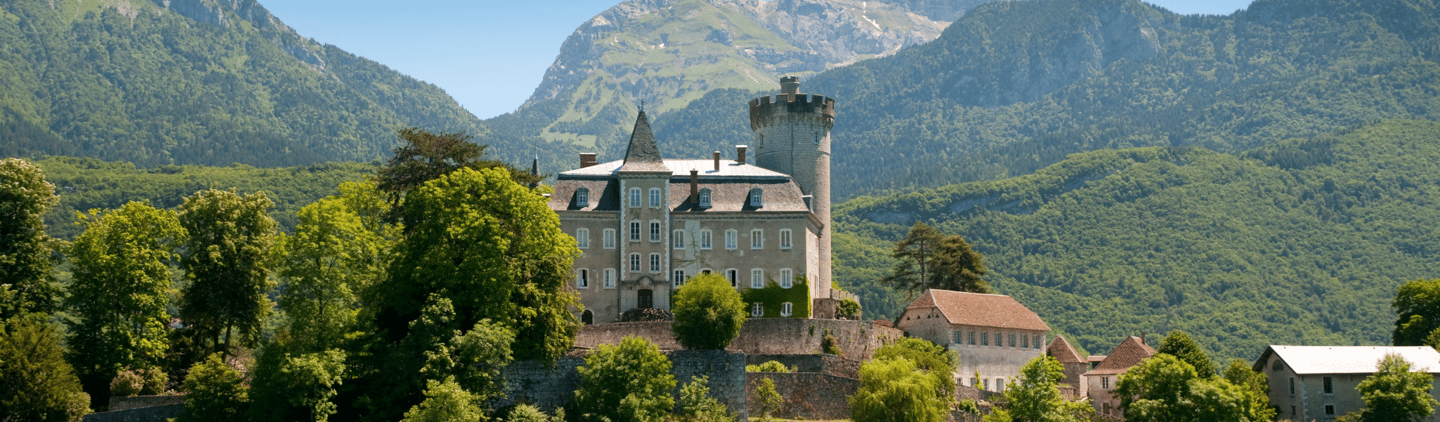
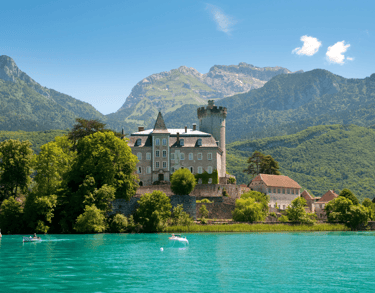
10 Must-See Landmarks in Annecy
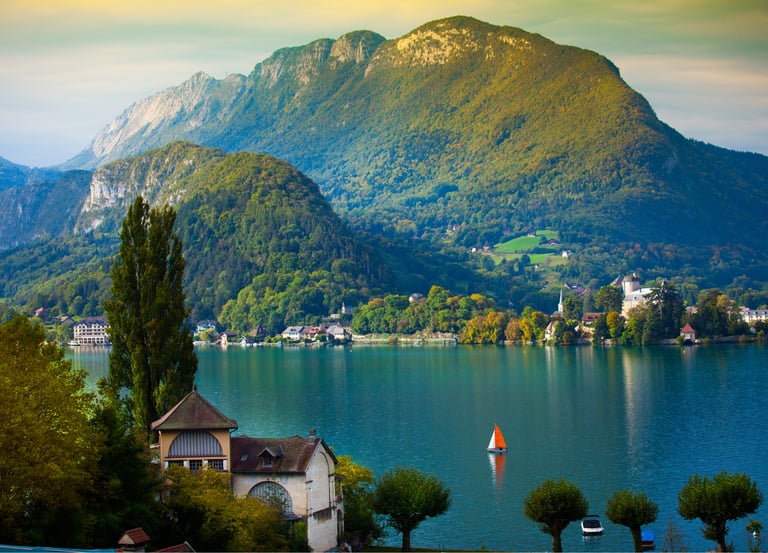
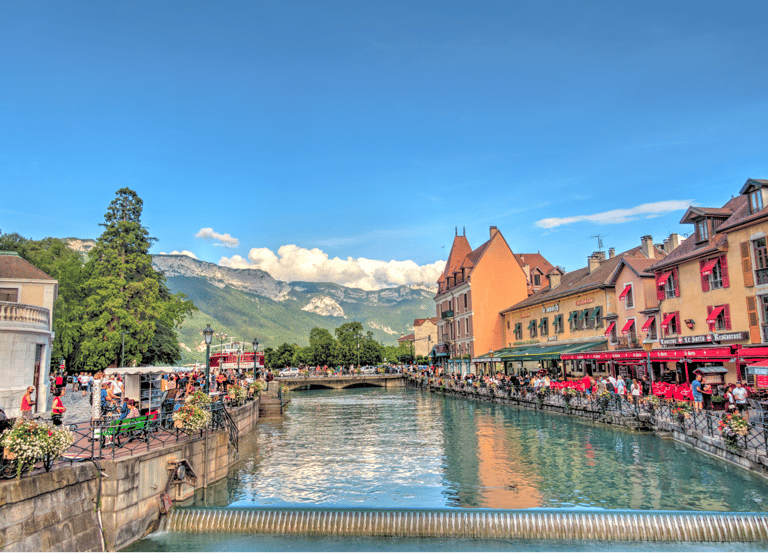
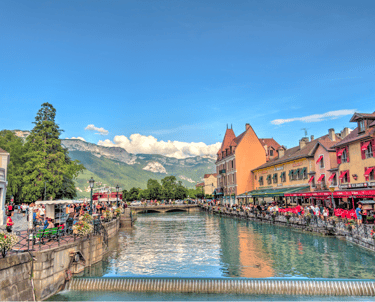
Annecy is home to enchanting canals, lakeside promenades, and medieval architecture that create some of the most iconic and picturesque landmarks in southeastern France.
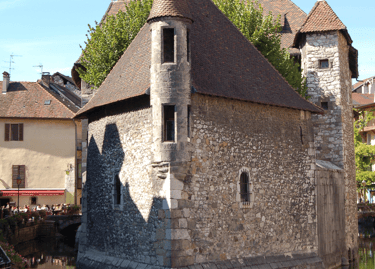
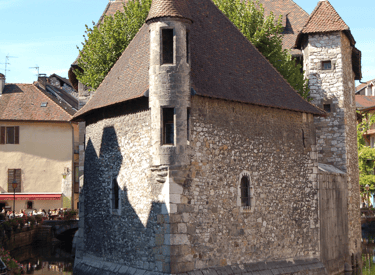
Palais de l’Isle
A 12th-century stone fortress shaped like a ship in the middle of the Thiou canal, now a symbol of Annecy.
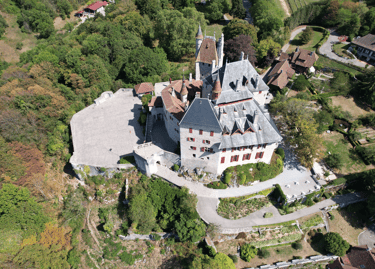
Château d’Annecy
Overlooking the town, this restored castle-turned-museum offers sweeping views and showcases regional art and history.
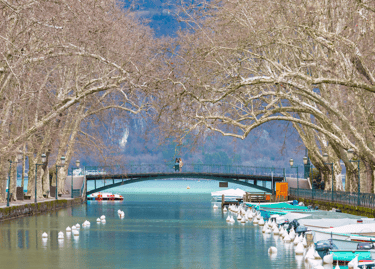
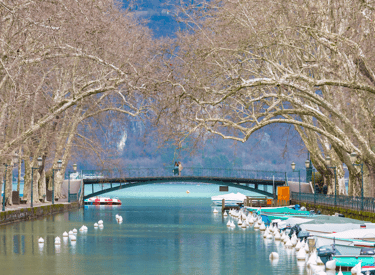
Pont des Amours
A romantic "Lovers’ Bridge" offering breathtaking views over Lake Annecy and the canal below.
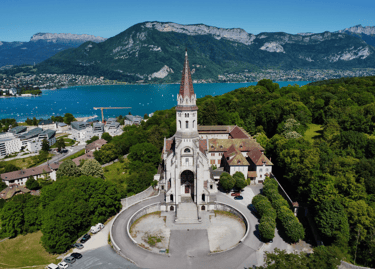
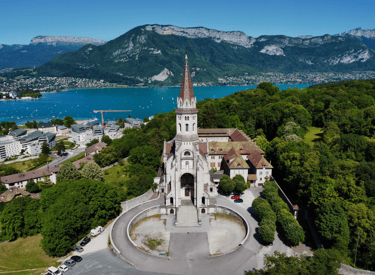
Basilique de la Visitation
Perched on a hill, this striking basilica honors Saint Francis de Sales and offers panoramic views of the city.


Jardins de l’Europe
Rue Sainte-Claire
A scenic park near the lake with century-old trees, sculptures, and peaceful paths.
A historic, arcaded street in the Old Town full of charm, boutiques, and beautiful photo ops.
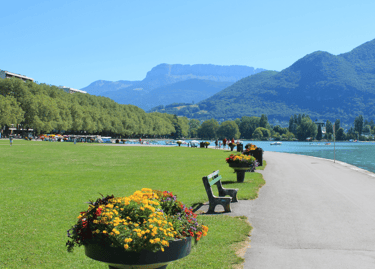
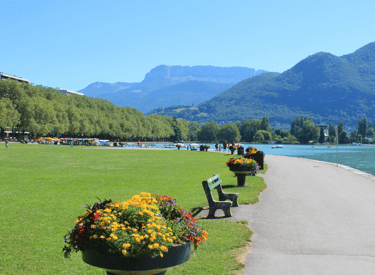
Le Pâquier
A vast lakeside lawn ideal for people-watching, relaxing, or attending open-air events.
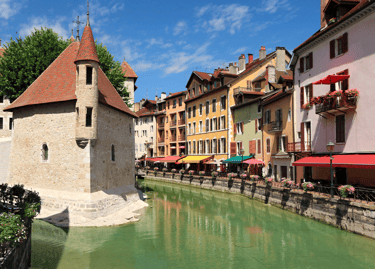
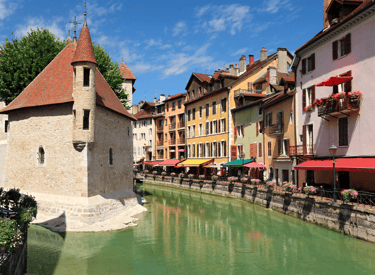
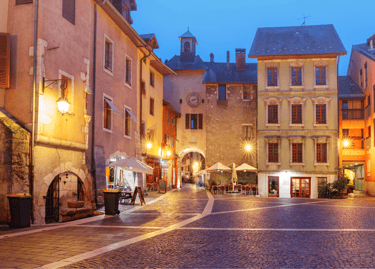
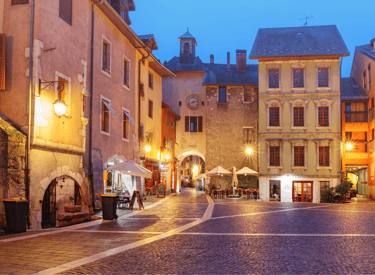
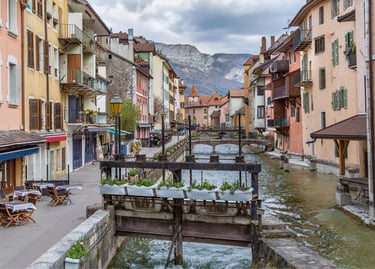
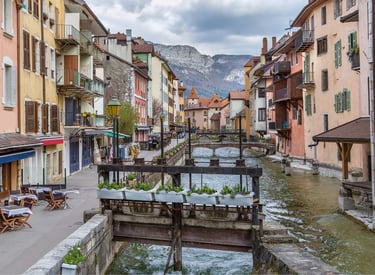
Old Town (La Vieille Ville)
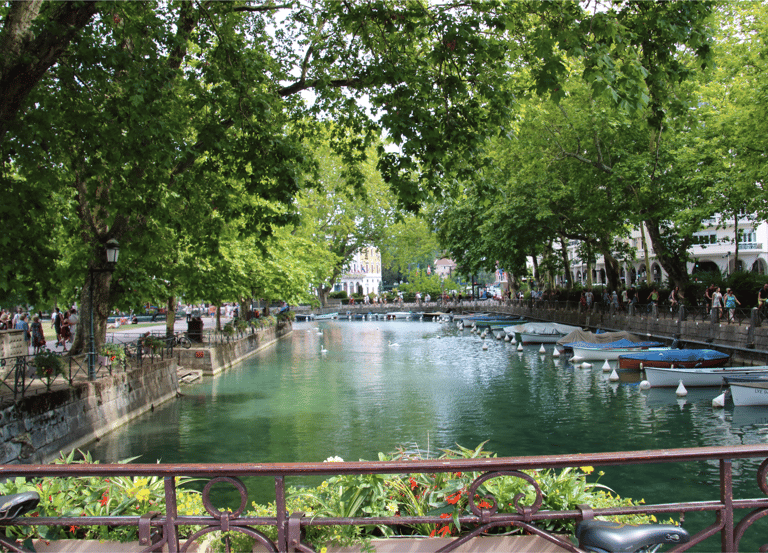
A maze of canals, colorful facades, and cobbled alleyways that feel frozen in time.
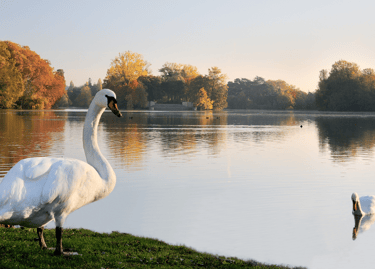
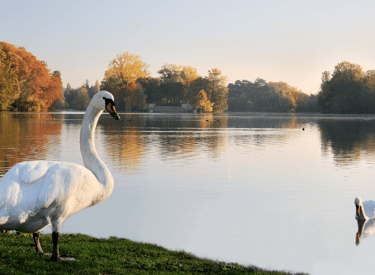
Ile des Cygnes (Island of Swans)
Canal du Thiou
A tiny man-made island in Lake Annecy with romantic views and graceful swans gliding by.
One of the shortest rivers in France, offering beautiful waterside strolls through the city.
10 Hidden Gems of Annecy
Annecy is full of quiet lakeside spots, secret gardens, and lesser-known trails that offer a more tranquil, off-the-beaten-path experience beyond the main tourist areas.
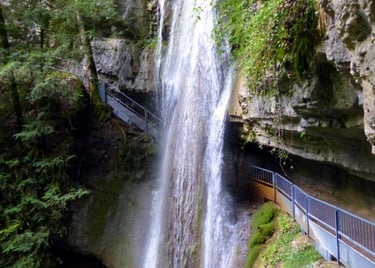
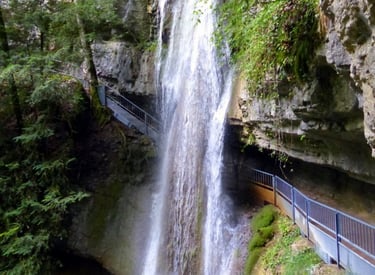
Cascade d’Angon
A stunning 60-meter-high waterfall hidden in a lush forest, accessed via a scenic hike near Talloires.
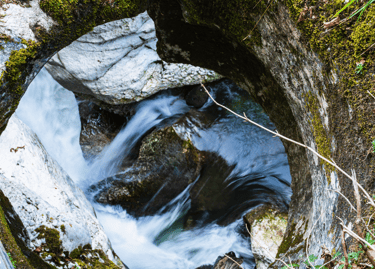
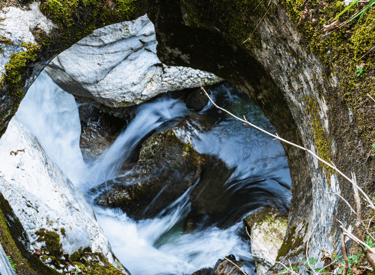
Gorges du Fier
A dramatic, narrow canyon walk along suspended footbridges carved by the Fier River, just outside Annecy.
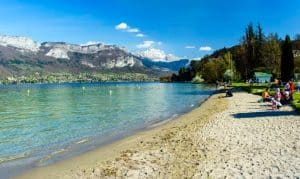
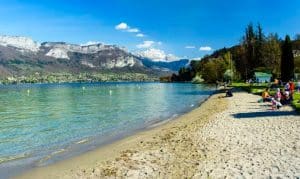
Plage des Marquisats
A peaceful, local-favorite beach with crystal-clear water and fewer crowds than the main lakefront.
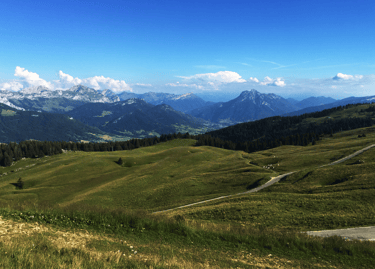
Le Semnoz Plateau
A quiet alpine plateau offering epic views of Mont Blanc on clear days, with year-round activities.
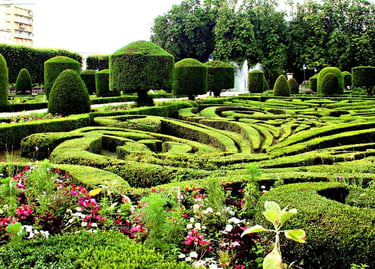
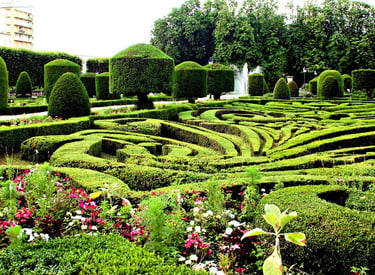
Jardin de l’Evêché
A serene, often-overlooked garden behind the cathedral with sweeping views and quiet benches.
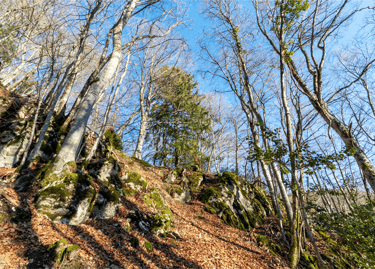
Mont Veyrier Forest Trail
A hidden trailhead leading to lesser-visited viewpoints above Annecy and Lake Annecy.
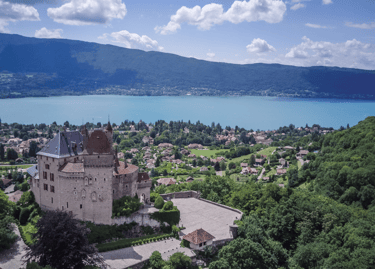
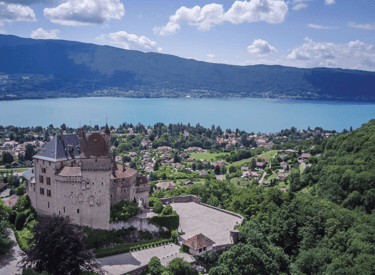
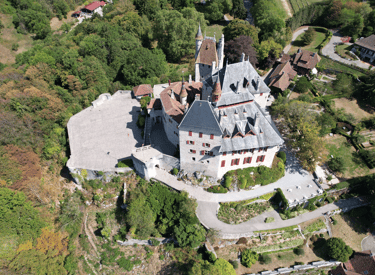
Château de Menthon-Saint-Bernard
A fairytale castle perched above the lake with guided tours and panoramic views, often overshadowed by Annecy’s main castle.
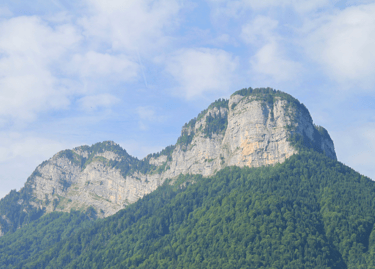
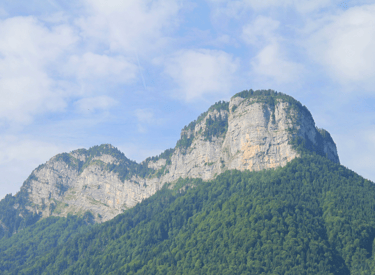
La Tournette Mountain Refuge
A remote, rustic alpine refuge for hikers looking for a peaceful overnight escape in the Alps.
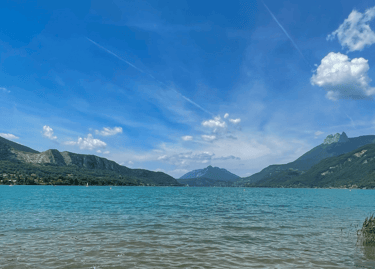
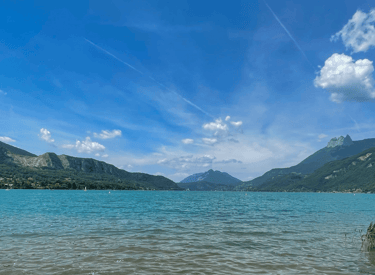
Bout du Lac Nature Reserve
A protected wetland at the southern tip of Lake Annecy, perfect for birdwatching and quiet nature walks.
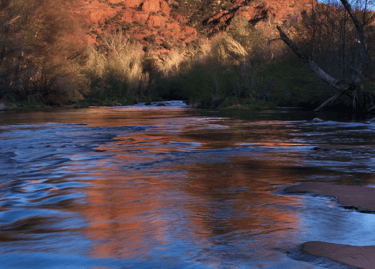
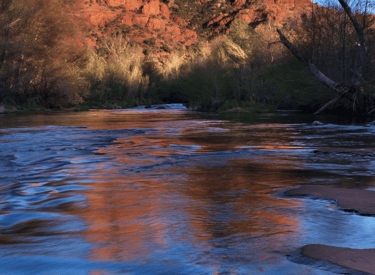
Abbaye de Talloires Gardens
Elegant, tranquil gardens attached to a luxury hotel and former abbey, open to visitors for quiet exploration.
Best Photo Spots
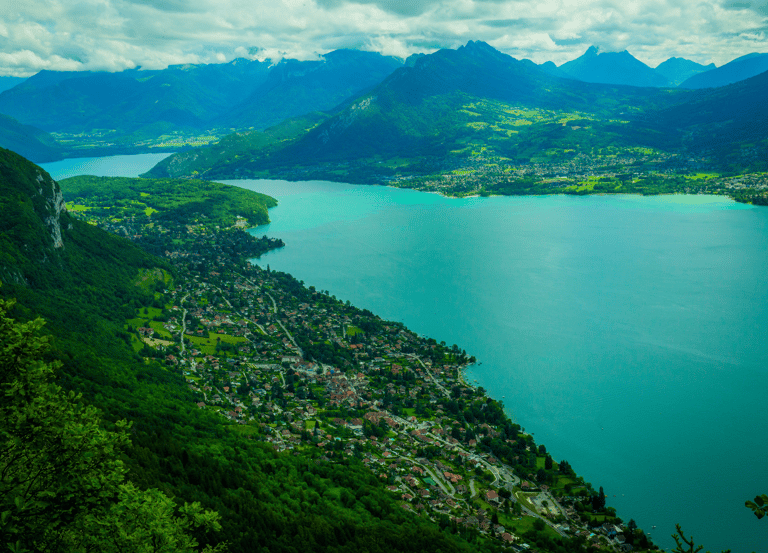
Annecy’s fairy-tale canals, turquoise waters, and Alpine backdrops make it one of the most photogenic small cities in the world — perfect for jaw-dropping Instagram shots and dreamy travel reels.
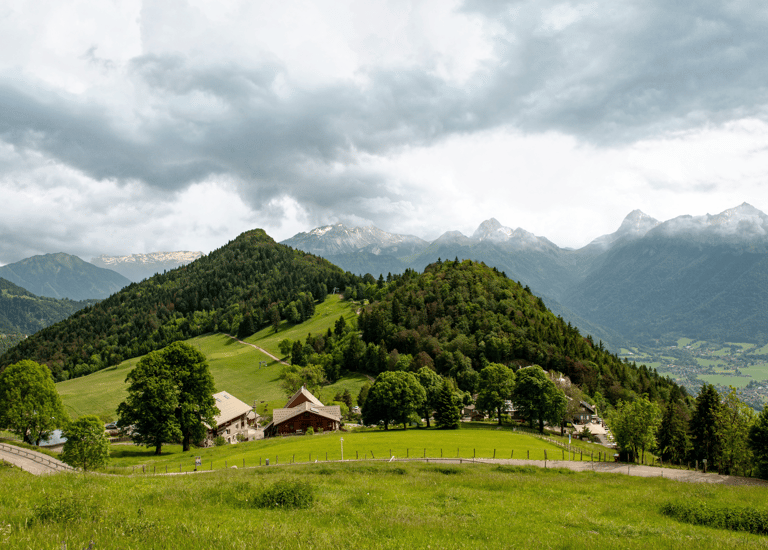
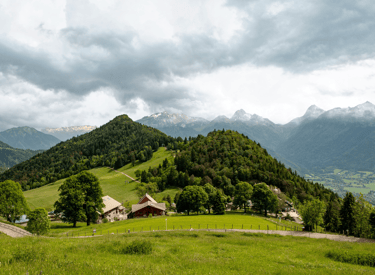
View from Col de la Forclaz
A jaw-dropping panoramic viewpoint high above the lake, popular for drone shots and paragliding videos.
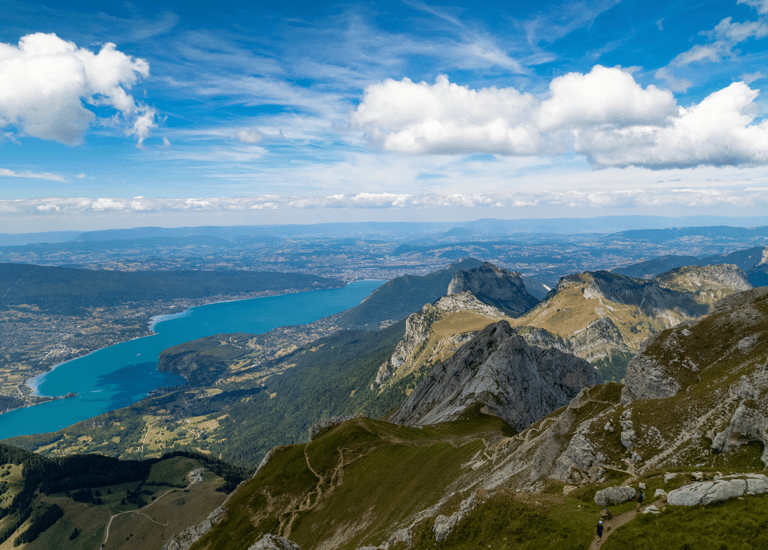
La Tournette Summit
A hiker’s reward: dramatic Alpine vistas and an aerial perspective over the entire lake basin.
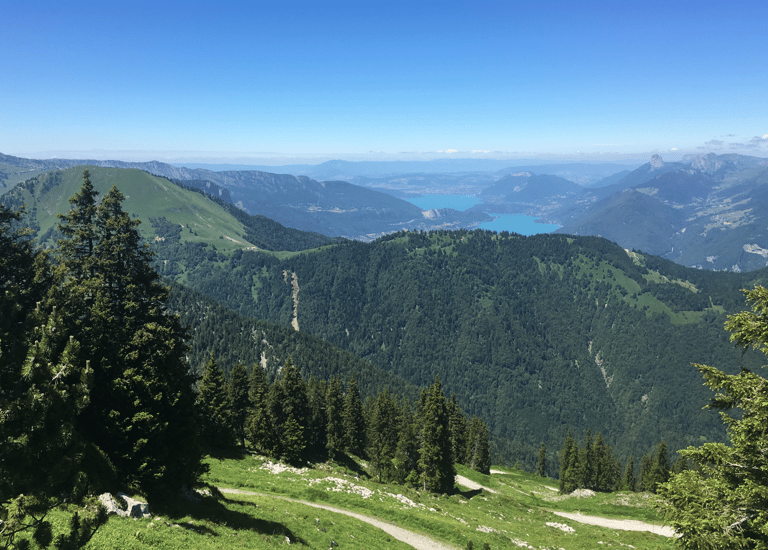
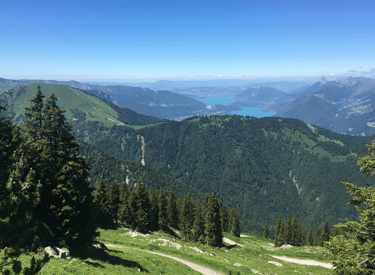
Semnoz at Golden Hour
Wide-open alpine meadows bathed in gold, with a cinematic view of Mont Blanc on clear evenings.
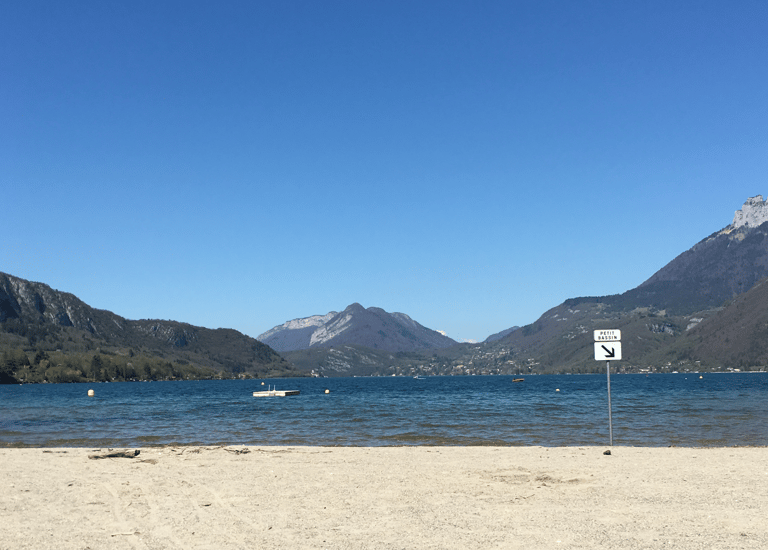
Plage d’Albigny
A favorite lakefront beach with a backdrop of sailboats, turquoise water, and mountain ridges.
Museums & Cultural Experiences
Annecy’s rich Alpine history, artistic legacy, and architectural charm come to life through its museums and cultural landmarks. From ancient castles to modern exhibitions, the city offers immersive ways to connect with its unique identity.
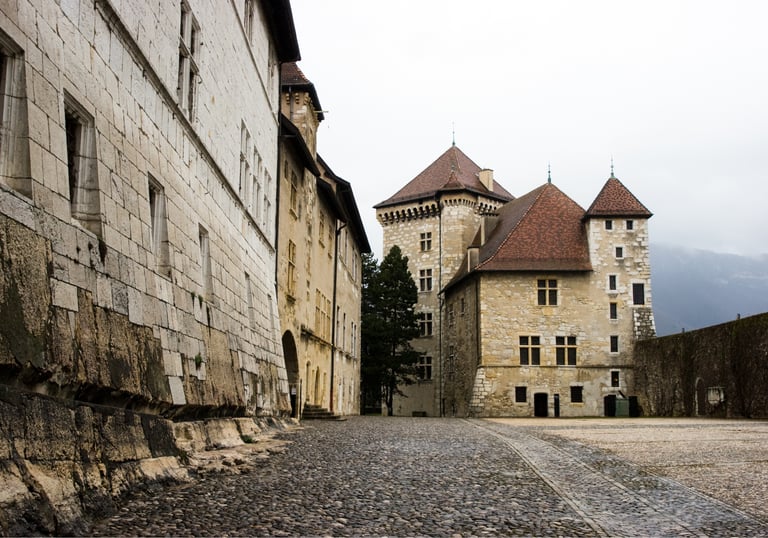
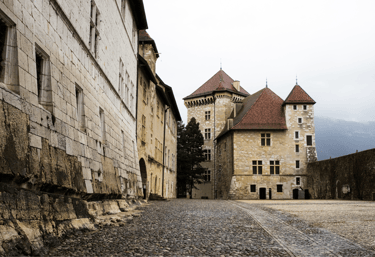
Musée-Château d’Annecy
Located in a medieval castle overlooking the city, this museum showcases regional history, Alpine art, medieval sculpture, and local archaeology.
Muséum d’Histoire Naturelle de Gruffy
Just outside Annecy, this small natural history museum features local flora and fauna, fossils, and environmental exhibits.
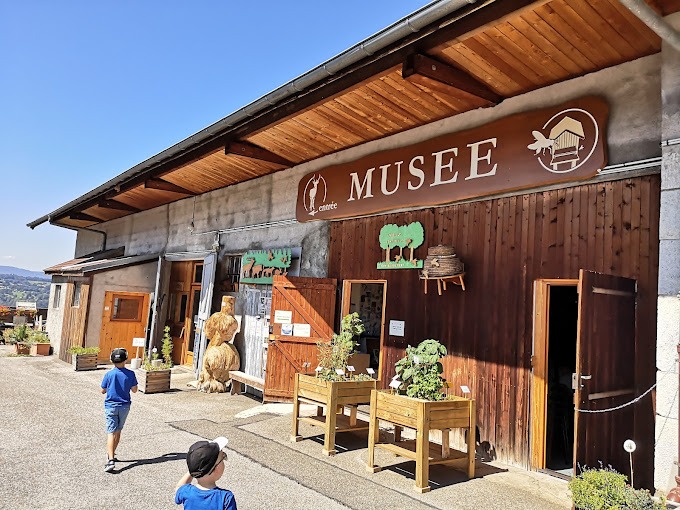
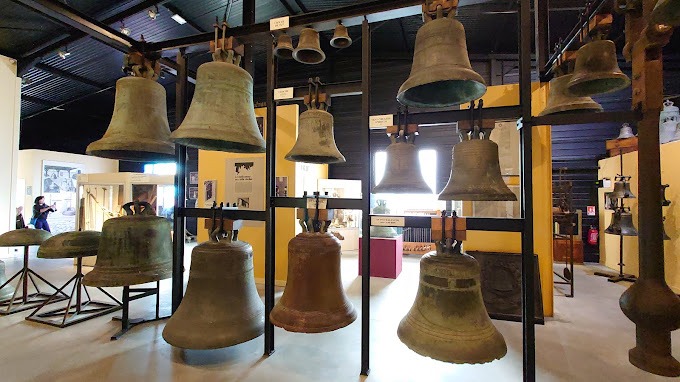
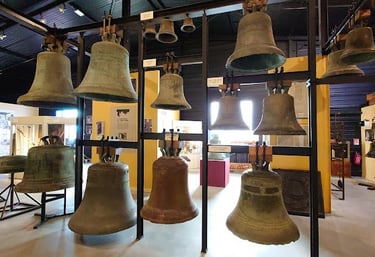
A museum dedicated to traditional Savoyard bells and their cultural significance.
Musée de la Cloche
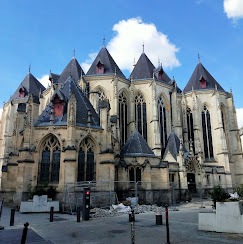
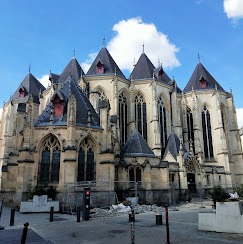
Église Saint-Maurice
The oldest church in Annecy, dating back to the 15th century, featuring Gothic architecture and historic frescoes.
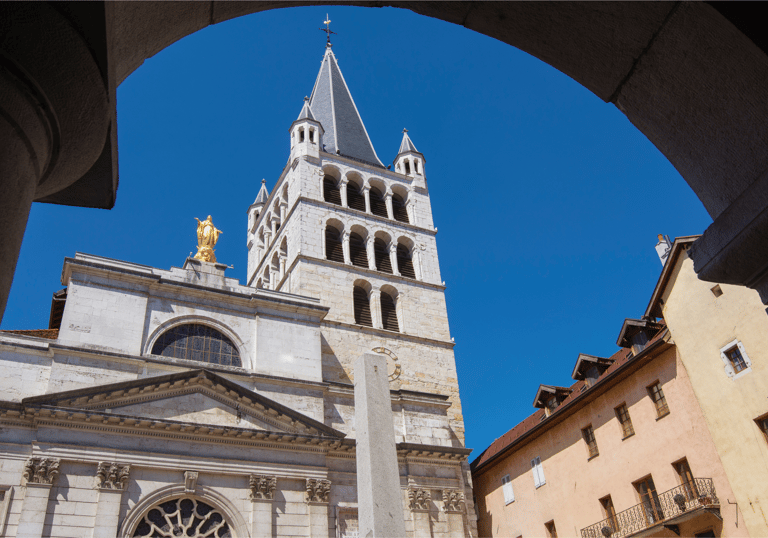
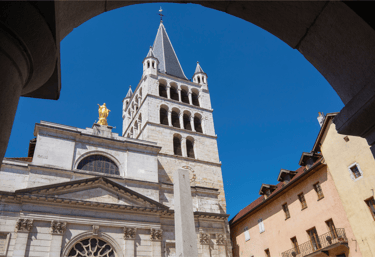
A neoclassical church in the heart of Old Town, known for its striking façade and bell tower.
Église Notre-Dame-de-Liesse
Best Food, Restaurants & Bars in Annecy
Annecy boasts a deliciously diverse food scene, blending rich Savoyard traditions with elegant French gastronomy, lakeside dining, and cozy Alpine comfort. From Michelin-starred menus to rustic cheese-filled specialties, Annecy is a dream for foodies.
Famous Dishes & Local Specialties
Annecy’s culinary traditions are deeply rooted in the flavors of the Alps, featuring rich cheeses, freshwater fish, and comforting dishes perfect for mountain living.


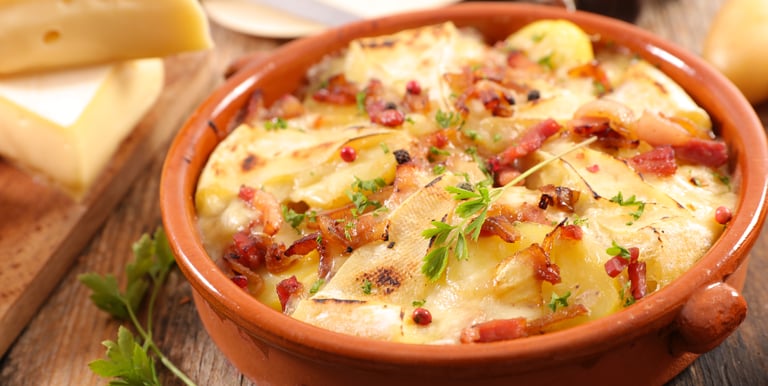
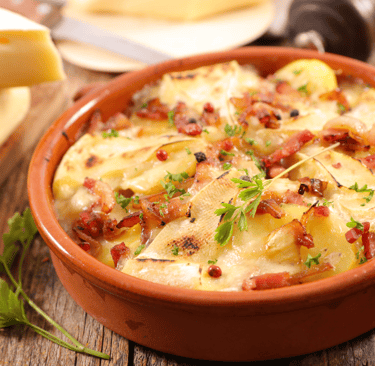
Tartiflette
Cheesy potato and bacon gratin: A hearty dish made with Reblochon cheese, potatoes, onions, and lardons.
Fondue Savoyarde
Melted cheese fondue with wine: A regional staple using local cheeses like Beaufort and Comté.


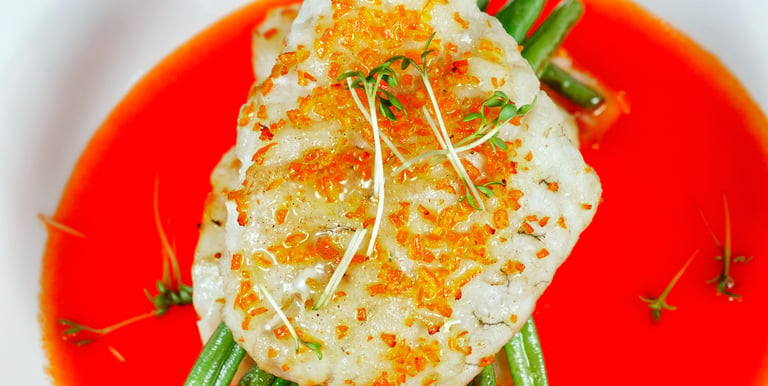
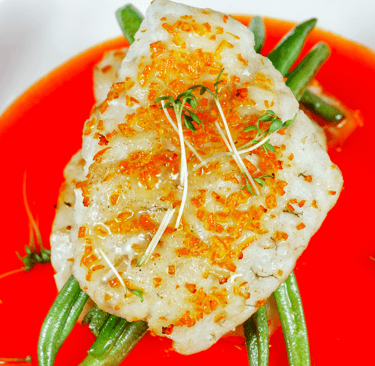
Perch Fillets (Filets de Perche)
Pan-fried lake fish with lemon butter: A delicacy sourced directly from Lake Annecy.
Diots au Vin Blanc
Savoyard pork sausages in white wine: Served with polenta or crozets (local buckwheat pasta).




Croziflette
Alpine twist on tartiflette with square buckwheat pasta: Creamy, cheesy, and filling.
Gâteau de Savoie
Light sponge cake from the Savoy region: Perfect with a café au lait.
Top 10 Coolest Restaurants to Visit in Annecy
Annecy offers a diverse dining experience for every budget, from rustic Alpine chalets to lakeside terraces and Michelin-starred marvels. Whether you’re seeking rich local flavors, fine dining, or contemporary twists, the city delivers.
Clos des Sens
An extraordinary 3-Michelin-starred restaurant offering hyper-local, modern French cuisine with a poetic Alpine twist.
Featured On: Michelin Guide, Le Fooding
Highlight Dish: Pike with fermented beet and lake herbs
Location: 13 Rue Jean Mermoz, Annecy-le-Vieux
L’Esquisse
This intimate, minimalist spot delivers creative tasting menus with seasonal ingredients and bold flavor combinations.
Featured On: Michelin Guide
Highlight Dish: Farm egg with truffle cream
Location: 21 Rue Royale, Annecy
A beloved institution in Annecy, known for refined regional dishes and a warm, elegant atmosphere.
Featured On: Gault & Millau
Highlight Dish: Veal sweetbreads with morel sauce
Location: 10 Rue Vaugelas, Annecy
La Ciboulette
Le Freti
A cozy, alpine-style restaurant specializing in traditional cheese-based Savoyard fare like fondue and raclette.
Featured On: Local food blogs and TripAdvisor’s Top 10
Highlight Dish: Classic raclette with charcuterie
Location: 12 Rue Sainte-Claire, Annecy
Le Belvédère
Fine dining with stunning panoramic views over Lake Annecy, offering refined takes on local ingredients.
Featured On: Michelin Plate
Highlight Dish: Lake perch with lemon butter
Location: 7 Chemin du Belvédère, Annecy
A rustic neighborhood gem serving hearty Savoyard dishes in a cozy and welcoming setting.
Featured On: Locals’ favorites and regional guides
Highlight Dish: Diots with polenta
Location: 7 Rue Centrale, Annecy-le-Vieux
Café Brunet
Auberge de Savoie
Classic French bistro fare with a regional twist, housed in a charming old building in the heart of Old Town.
Featured On: Traditional dining guides
Highlight Dish: Croziflette
Location: 1 Place Saint-François de Sales, Annecy
L’Etage
A stylish bistro located above a wine bar, offering inventive dishes and an atmospheric dining room.
Featured On: Local press and regional dining blogs
Highlight Dish: Duck breast with blueberry jus
Location: 13 Rue du Pâquier, Annecy
A family-run restaurant serving rich Savoyard specialties in a cozy, chalet-style setting.
Featured On: TripAdvisor and French TV food segments
Highlight Dish: Tartiflette
Location: 1 Rue Perrière, Annecy
Ô Savoyard
Le Restaurant
A refined Michelin-starred dining experience blending elegant French cuisine with artistic presentation, exceptional service, and an intimate atmosphere.
Highlight Dish: Seasonal tasting menu with wine pairings
Location: 13 Rue Jean Mermoz, Annecy, France
Each of these restaurants offers a unique dining experience, whether it’s Michelin-starred elegance, traditional Savoyard comfort, or lakeside charm, making them must-visit culinary destinations in Annecy.
Festivals & Events
Throughout the year, Annecy hosts lively festivals celebrating arts, film, music, and Alpine traditions — all set against the breathtaking backdrop of its lake and mountains. These events bring together locals and global visitors for unforgettable moments of culture, creativity, and celebration.
Annecy Int'l Animation Film Festival
One of the most prestigious animation festivals in the world, held each June. Includes open-air screenings, premieres, exhibitions, and creative workshops throughout the city.
Annecy Paysages Festival
A summer-long art and landscape festival blending nature and creativity through installations and pop-up exhibits around the city.
Fête du Lac (Lake Festival)
Annecy’s biggest public event in August featuring a one-hour fireworks show over the lake with synchronized music and lights, attracting over 100,000 spectators.
Retour des Alpages (Return from the Alps Festival)
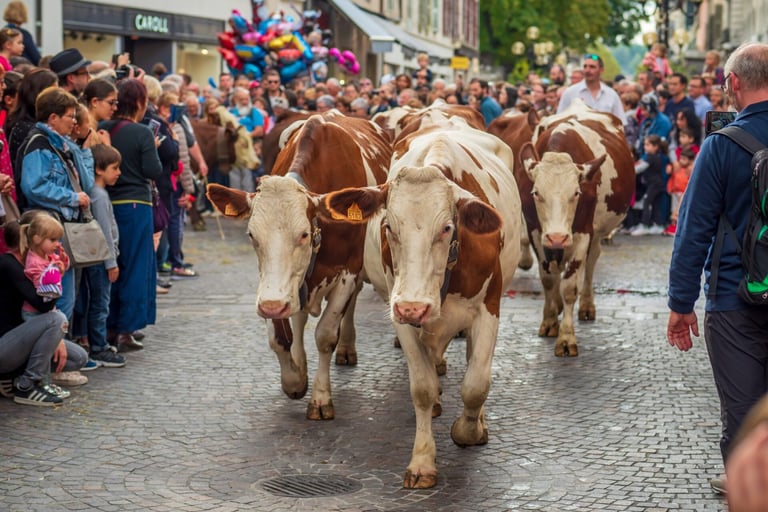
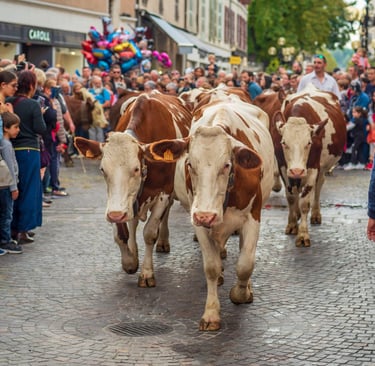
A traditional harvest celebration each October with animal parades, folk music, crafts, cheese-making demos, and street food in Old Town.
Noël des Alpes
From late November to early January, the city transforms into a winter wonderland with Christmas markets, light displays, skating, and festive entertainment.
Marathon du Lac d’Annecy
A scenic spring marathon circling the lake, known as one of France’s most beautiful race routes.
Day Trips & Nearby Excursions
Annecy is perfectly situated for scenic day trips and nearby excursions:
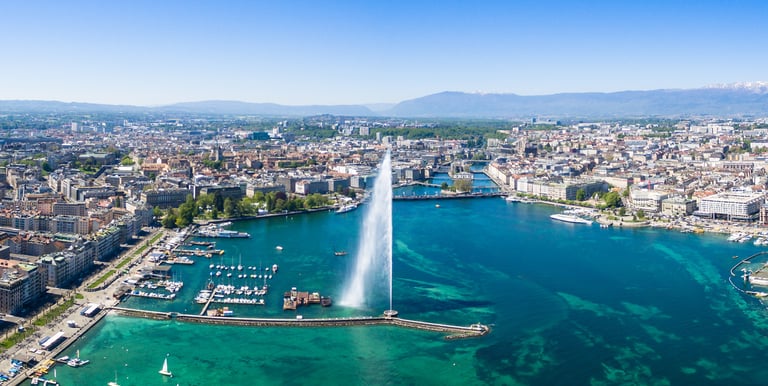
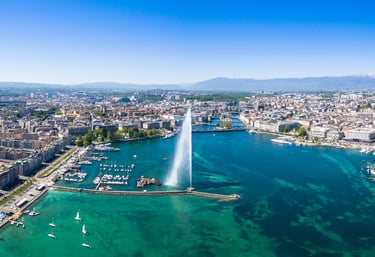
Geneva, Switzerland (1 Hour)
Visit the UN Headquarters, Jet d’Eau, and Patek Philippe Museum
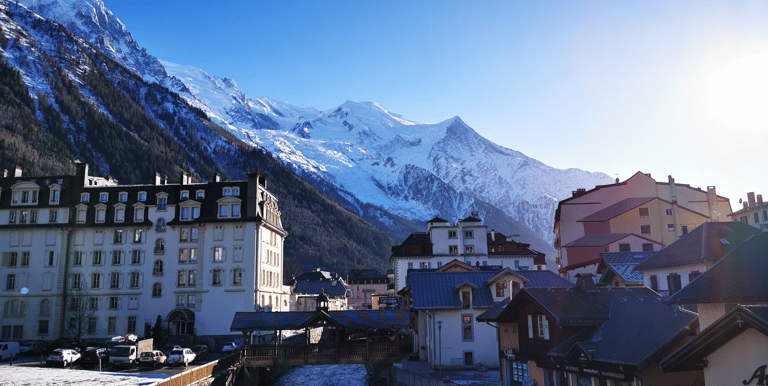
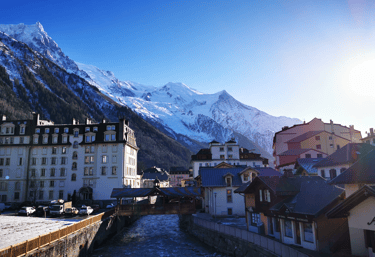
Chamonix & Mont Blanc (1.5 Hours)
Ride the Aiguille du Midi cable car and explore this iconic alpine town.
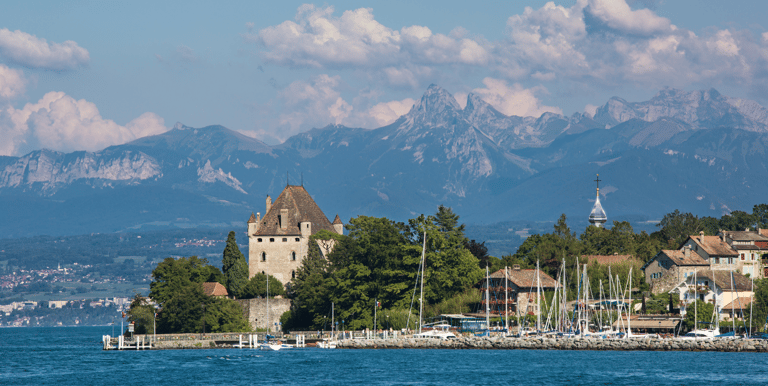
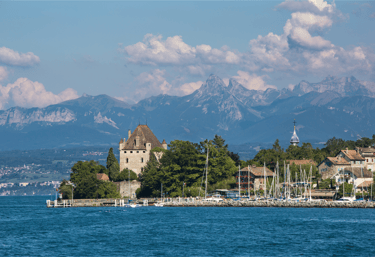
Yvoire (1.5 Hours)
A stunning medieval village on Lake Geneva with cobbled streets and lush gardens.
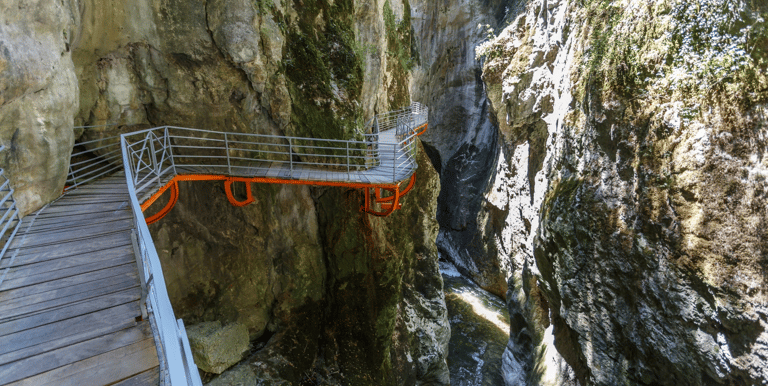
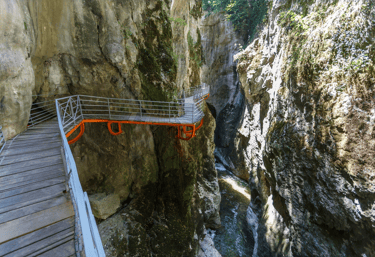
Gorges du Fier (20 Minutes)
A natural wonder with footbridges through towering rock walls.
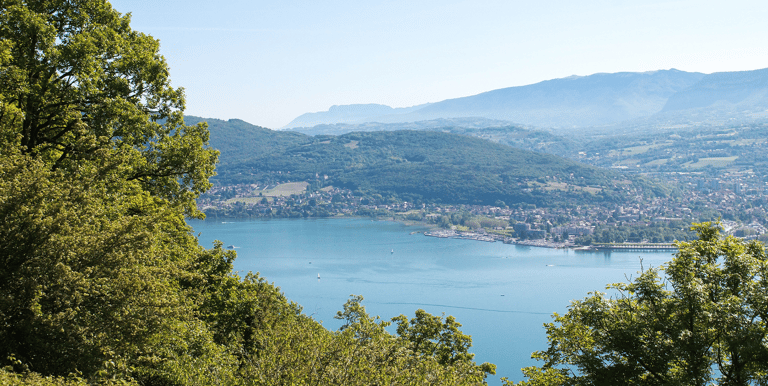
Aix-les-Bains (1 Hour)
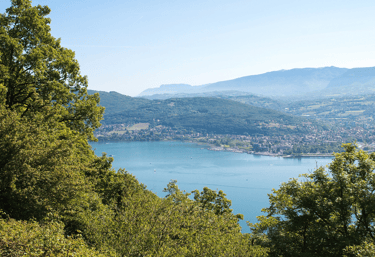
A lakeside spa town on Lake Bourget with Belle Époque charm.
Travel Itineraries
Annecy’s travel itineraries suit every type of traveler, whether you’re visiting for a day, a weekend getaway, or a full week immersed in Alpine charm. A quick trip lets you stroll the canals of Old Town and relax by the lake, while a multi-day stay adds castle visits, boat cruises, and cycling adventures. A full week invites deeper exploration into the surrounding mountains, day trips to nearby villages, and leisurely lakeside dining, making for a beautifully balanced French Alps escape.
1 Day in Annecy (The Highlights)
Morning: Begin with a stroll through the Old Town. Grab a croissant and coffee at a boulangerie, then explore the canals and colorful streets before the crowds build. If it’s a market day (Tue, Fri, or Sun), wander the food market along Rue Sainte-Claire – sample some cheese or buy fresh berries. Late morning, walk up to the Château d’Annecy. Tour the castle’s museum or at least enjoy the courtyard view.
Afternoon: Head down to the lakefront. Rent a pedal boat or take a one-hour boat cruise around Lake Annecy (departs near Jardins de l’Europe around midday). This gives you a beautiful overview of the lakeside villages and surrounding mountains. After the boat, have lunch at a lakeside café – perhaps a salad or savory galette at Le Chalet or an ice cream from Glacier des Alpes for dessert. Then, visit the Palais de l’Île in the Old Town (it reopens after lunch) to see the historic prison interiors. Don’t forget to take that classic photo from Pont Perrière facing the Palais.
Evening: Spend the early evening relaxing at Le Pâquier park – you might rent a bike for a quick ride or just people-watch as locals play and picnic. Walk across the Pont des Amours and kiss your travel partner (for luck!). As the sun sets, enjoy a Savoyard dinner: pick an Old Town restaurant like Le Fréti or La fondue for cheese fondue or tartiflette. After dinner, treat yourself to a night stroll through the illuminated Old Town. The canal reflections and quiet lanes are enchanting. End the night with a drink at a cosy bar (Les Caves du Château for wine, or a gelato if you prefer something sweet) and soak in the ambiance of Annecy by night.
3 Days in Annecy (City & Surroundings)
Day 1 – Old Town & Lake: Follow much of the 1-day plan above: explore the Vieille Ville, visit Château d’Annecy and Palais de l’Île, and relax by Lake Annecy with a cruise or pedal-boat ride. In the late afternoon, consider renting a bike for an hour to ride the lake path to Sevrier and back, just to get a taste of the scenery. Dine on local specialties in Old Town (perhaps try raclette this time). Catch the sunset from the Jardins de l’Europe.
Day 2 – Mountains & Villages: In the morning, take bus #6 or drive to Talloires on the eastern lake shore. Hike the short trail to Cascade d’Angon (a pretty waterfall; about 1 hour round-trip) or just wander Talloires’ harbor – one of the most charming spots on the lake. Have lunch at Talloires (Cafe de la Place does a great plat du jour, or splurge at the waterfront Auberge du Père Bise for gourmet cuisine). After lunch, catch a boat shuttle back to Annecy (or return by bus) – enjoy the different perspective from the water. In the late afternoon, go up Col de la Forclaz for paragliding or simply to enjoy the panorama. You can book a tandem paraglide earlier for late day (the winds are often good and the lighting over the lake is gorgeous then). If flying isn’t your thing, sip a drink at the Col’s terrace and watch others take off. Evening back in Annecy, perhaps unwind with a casual crêpe dinner or pizza, and a walk along the Thiou River lit up at night.
Day 3 – Culture & Adventure: Dive into some cultural sites you might have missed. For example, visit the Musée Paccard (Bell Museum) in the morning to see how giant bronze bells are made – a unique experience. Or, if it’s Sunday, attend the noon organ concert at Cathédrale Saint-Pierre (they often have free mini-concerts). Around midday, grab picnic fixings and drive or take the shuttle up to Le Semnoz mountain. Spend the afternoon hiking or sledding (seasonally appropriate) on Semnoz with panoramic views of Mont Blanc and the surrounding Alps. In summer you might hike through alpine meadows; in winter you can rent a sled or ski for a bit. After coming down, use the late afternoon to shop for souvenirs in Annecy – local Savoy cheese, artisanal chocolates (try Chocolaterie Artisanale Poulain), or alpine-themed crafts. For your final dinner, treat yourself to a memorable meal: perhaps L’Esquisse (for fine dining) or a lakefront restaurant at sunset like Le 20/Vins. Toast with a glass of génépi liqueur to cap off your Annecy adventure.
5 Days in Annecy (Complete Experience)
Days 1–2: Immerse in Annecy itself – Day 1 do Old Town landmarks and lake orientation (like in previous itineraries). Day 2, dive deeper: visit churches, rent a bike for the full lake loop (spend most of the day stopping in villages, swimming, and lunching as you circle the lake’s 42 km – it’s a highlight!), and maybe take an afternoon cooking class or wine tasting session if available (there are sometimes Savoy wine tastings at Château de Duingt or cheese workshops advertised by the Tourist Office). Evening of Day 2, you could join the locals for a free outdoor event if it’s summer – check if there’s a concert at Bonlieu or fireworks on a certain night.
Day 3: Do a big day trip – e.g., Chamonix-Mont-Blanc. Go see the Alps up close: leave early, take the cable car up Aiguille du Midi for a morning among the peaks, have a Savoyard lunch in Chamonix, and be back by dinner in Annecy. If Chamonix isn’t your pick, you could instead do Geneva or Yvoire/Evian around Lake Geneva. Either way, you’ll experience a completely different vibe (international city or medieval village) before coming “home” to Annecy.
Day 4: Adventure day in Annecy: perhaps dedicate this to paragliding (if you haven’t yet) or a hike up La Tournette (a full-day hike for spectacular views). Alternatively, drive into the Massif des Bauges for a scenic hike to Dent du Chat or explore Gorges du Fier & Montrottier if you haven’t. This evening, consider dining in a village restaurant for a change – maybe an auberge in Menthon-Saint-Bernard after visiting the illuminated Château de Menthon (some nights they have evening tours in summer).
Day 5: Relax & local living: By now you’ve earned some relaxation. Spend the day like an Annecy local. Sleep in a bit, then enjoy a leisurely brunch or coffee at a cafe on Rue Carnot. Do any shopping you’ve eyed (the Monday market at Cran-Gevrier is great for cheap clothes and goods, or visit Paccard Chocolatier for edible gifts). In the afternoon, head to a beach – Plage d’Albigny or Plage des Marquisats – and just soak up the sun and scenery. You could rent a stand-up paddleboard for an hour to paddle calmly on the lake. If you’re a history buff, fit in the Conservatoire d’Art et d’Histoire or visit a Reblochon farm in Thônes this day. As the trip winds down, for your last evening, take a sunset cruise dinner on the lake (the Compagnie des Bateaux offers one – dining while gliding on water is pure bliss), or simply pack a picnic and a bottle of Savoie wine and enjoy it on the Paquier as the sun sets behind the mountains. It’s a full-circle perfect ending to your Annecy stay.


Explore
Discover hidden gems in small cities worldwide.
© 2025. All rights reserved. Ripe Melland Media