Stop scrolling and start visiting

How To Become A Digital Nomad: The Step-By-Step Guide Most People Should Read Before They Book The One-Way Flight
Want to become a digital nomad? This beginner-friendly guide explains how to work remotely, choose your first destination, budget, handle visas, pack smart, stay safe, and avoid the mistakes most new digital nomads make.
TRAVEL SMARTER
Sarah Melland
6/10/202615 min read
How To Become A Digital Nomad
The Step-By-Step Guide Most People Should Read Before They Book The One-Way Flight
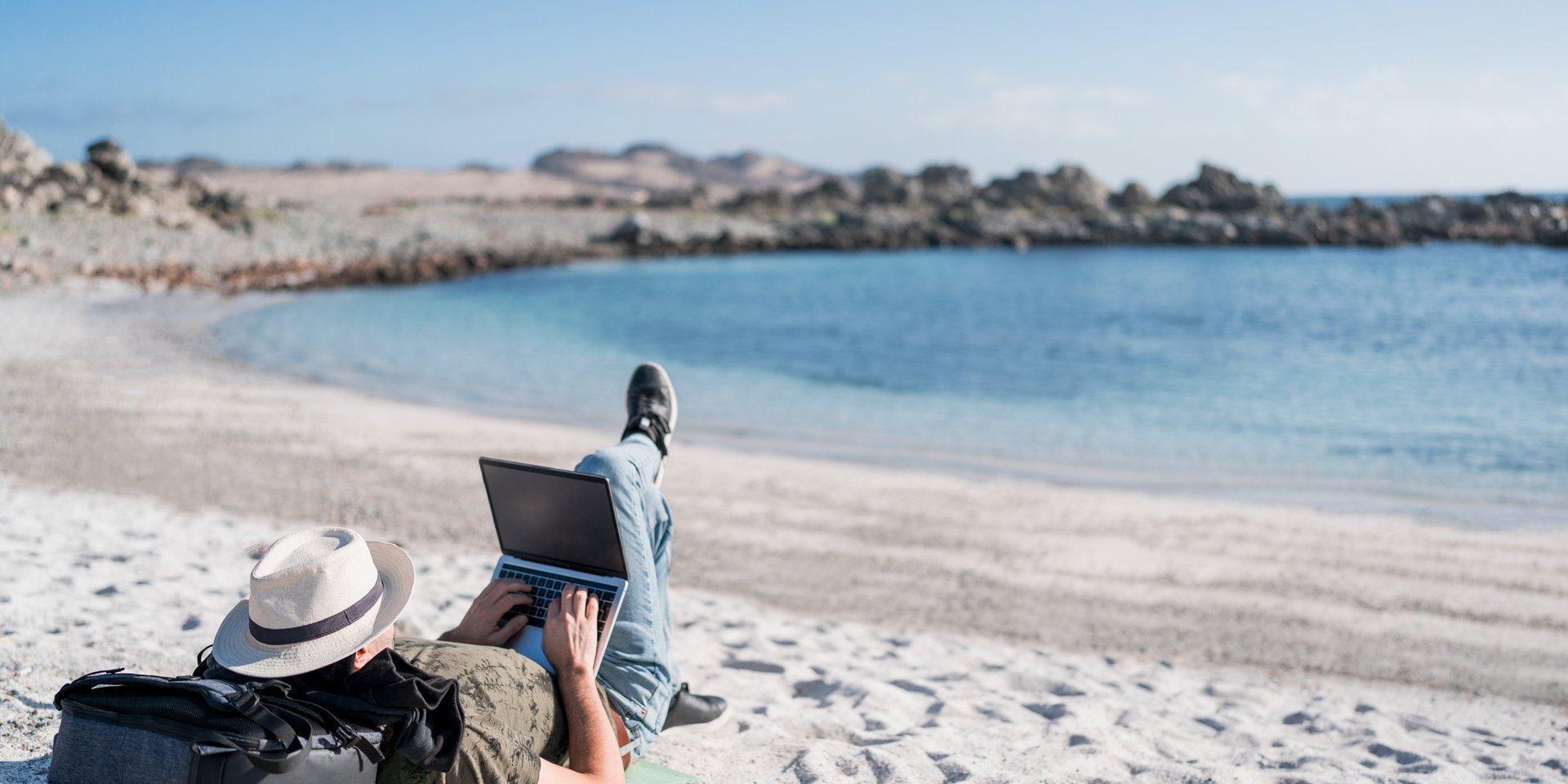
Becoming a digital nomad sounds like the dream. You picture yourself opening your laptop in a cute café somewhere in Europe, sipping coffee like the main character, answering emails between museum visits, and casually saying things like, “I’m working from Portugal this month.”
Adorable.
Now here is the part most people skip: being a digital nomad is not a vacation with a laptop. It is a lifestyle built around work, money, Wi-Fi, visas, time zones, taxes, insurance, loneliness, discipline, and the ability to figure things out while jet-lagged in a country where your phone refuses to cooperate.
Still interested?
Good. Because if you do it right, becoming a digital nomad can be one of the most freeing, exciting, perspective-shifting ways to live. You can build a life where your work supports your curiosity instead of trapping you in one place forever. You can explore small cities, historic towns, mountain villages, beach communities, food markets, old libraries, festivals, and places you never would have experienced on a two-week vacation.
But you need a plan.
This guide will walk you through how to become a digital nomad step by step, including what most people do not know before they start, what to set up before you leave, how to choose your first destination, how to avoid rookie mistakes, and how to make the lifestyle actually sustainable instead of chaotic, expensive, and mildly unhinged.
What Is A Digital Nomad?
A digital nomad is someone who works remotely while traveling or living in different places. That work might be freelance, self-employed, remote employee-based, contract-based, creator-based, or business-based. The key is that your income does not depend on being physically present in one specific office.
Digital nomads may stay in one country for a few weeks, one city for a few months, or one region for a year. Some move constantly. Some travel slowly. Some live abroad full-time. Some split their year between home and travel.
The important thing to understand is this: A digital nomad is not someone who is always on vacation. A digital nomad is someone who has figured out how to keep earning money while changing location. That difference matters.
The Truth Nobody Tells You About Becoming A Digital Nomad
Before we get into the steps, let’s get honest. The internet sells the digital nomad lifestyle like it is all beaches, cocktails, cheap rent, laptop views, and casually working four hours a week from Bali. Sometimes, yes, the views are incredible.
But there are also missed flights, bad Wi-Fi, confusing visa rules, surprise expenses, laundry disasters, time zone headaches, loneliness, burnout, stomach issues, power outages, and the humbling experience of trying to take a client call while a rooster screams outside your window like it has a personal problem with your success.
The digital nomad lifestyle can be amazing, but it rewards preparation. The people who last are not always the most adventurous. They are usually the most organized.
Step 1: Get Clear On Why You Want To Become A Digital Nomad
Before you plan anything, ask yourself why you actually want this.
Do you want to travel more?
Do you want a lower cost of living?
Do you want freedom from a traditional office?
Do you want to build a business while seeing the world?
Do you want to test living abroad before moving permanently?
Do you want inspiration, adventure, reinvention, or simply a different pace of life?
Your answer matters because it determines how you should build your lifestyle.
If you want stability, you probably should not hop countries every two weeks.
If you want to save money, you need destinations with lower daily costs.
If you want creativity, you may want cities with strong cultural energy.
If you want community, you need places with coworking spaces, events, and other remote workers.
If you want peace, maybe skip the chaotic capital cities and choose smaller, slower destinations.
Do not copy someone else’s digital nomad life. Build the version that actually fits you.
Step 2: Choose The Right Remote Work Path
You cannot become a digital nomad without income. This is where the dream gets very real. There are four main ways people fund the digital nomad lifestyle.
1. Remote Employee Work
This means you have a job that allows you to work from anywhere, or at least from approved locations.
Common remote jobs include:
Marketing
Writing
Editing
Customer support
Project management
Graphic design
Web development
Virtual assistance
Sales
Data analysis
Social media management
Operations
Software engineering
This can be the most stable path because you have regular pay. The downside is that your employer may have rules about where you can work, what hours you need to keep, and whether you can legally work from another country.
Before you go, get clear permission. Not “my boss probably will not care.”
Actual permission.
2. Freelance Work
Freelancers work for clients instead of one employer.
Common freelance digital nomad jobs include:
Copywriting
Blog writing
SEO writing
Web design
Branding
Social media management
Photography editing
Video editing
Pinterest management
Email marketing
Virtual assistance
Bookkeeping
Consulting
Freelancing gives you more flexibility, but it also means you are responsible for finding clients, setting rates, sending invoices, paying taxes, and keeping money coming in. Freedom is cute until nobody pays your invoice on time.
3. Online Business
This includes things like selling digital products, running a blog, affiliate marketing, online courses, templates, guides, coaching, memberships, or ecommerce. This path can be incredibly flexible, but it usually takes longer to build. It is not always instant income. If your online business is still growing, keep a backup income stream while you build.
4. Creator Or Content-Based Income
Some digital nomads make money through YouTube, TikTok, Instagram, newsletters, travel blogs, affiliate links, brand partnerships, photography, or digital products. This can be fun, but it is not as easy as “post pretty videos and get rich.”
Content income can be unpredictable. Algorithms change. Brand deals slow down. Affiliate income takes time. A video can go viral one week and flop the next. If you want to become a digital nomad through content creation, treat it like a business, not a wish.
Step 3: Build Income Before You Leave
Here is one of the biggest mistakes beginners make: They leave first and figure out money later. Please do not do that.
Before becoming a digital nomad, you should have at least one reliable income stream already working. Ideally, you want three to six months of expenses saved, plus extra money for emergencies, flights, health care, deposits, equipment replacement, and “oh no, this Airbnb has the Wi-Fi speed of a medieval pigeon.”
A smart beginner setup looks like this:
One main income stream
One backup income stream
An emergency fund
A monthly budget
A way to invoice and get paid
A separate account for taxes
A basic business system
A list of potential clients or job leads
A plan if the first month goes badly
Digital nomad life is much less stressful when you are not one delayed payment away from a full personality collapse.
Step 4: Calculate Your Real Digital Nomad Budget
A lot of people ask, “How much money do I need to become a digital nomad?”
The answer depends on where you go, how fast you travel, and what level of comfort you need.
Your budget should include:
Housing
Flights
Local transportation
Food
Coworking spaces
Coffee shops
Phone plan or eSIM
Travel insurance
Health insurance
Visas
Laundry
Activities
Emergency fund
Taxes
Subscriptions
Business tools
Gear replacement
Bank fees
Buffer money
The trap is only budgeting for rent and food.
That is how people end up shocked when their “cheap month abroad” suddenly includes a $300 flight, a $75 visa fee, a $120 coworking pass, a broken laptop charger, and three emergency Uber rides because they arrived at midnight and the bus system looked like a puzzle designed by a villain.
Start with your current monthly expenses, then estimate your travel lifestyle honestly. A good beginner rule: add 20 percent more than you think you need. Because travel always finds a way to humble the spreadsheet.
Step 5: Pick Your First Destination Carefully
Your first digital nomad destination should not be chosen only because it looks pretty on Instagram. Pretty does not matter if the internet is terrible, the time zone is impossible, the visa rules are confusing, the cost of living is higher than expected, or you feel isolated after three days.
For your first destination, look for:
Reliable Wi-Fi
Safe neighborhoods
Good public transportation
Affordable monthly stays
Coworking spaces or work-friendly cafés
A time zone that works with your job or clients
Easy airport access
Clear visa rules
Good health care access
A strong digital nomad or expat community
Enough things to do outside work
Your first destination should be easy, not impressive.
This is not the moment to prove you are the boldest traveler alive. This is the moment to prove you can work, live, sleep, eat, exercise, communicate, manage your money, and not lose your mind in a new place.
Great beginner digital nomad destinations often include places with strong infrastructure, reasonable costs, walkability, community, and easy travel connections. Think places like Lisbon, Porto, Valencia, Mexico City, Medellín, Chiang Mai, Split, Tbilisi, Prague, Budapest, or smaller cities near major hubs. But do your research before you go, because prices, visa rules, safety, housing quality, and local attitudes toward remote workers can change.
Step 6: Understand Visas Before You Go
This is where many people get reckless. A tourist visa does not automatically mean you can legally live and work from that country long-term. Some countries allow remote work under certain conditions. Some require a digital nomad visa. Some have strict rules. Some are vague. Some care only if you work for local companies. Some care very much.
You need to check the rules for your passport, destination, length of stay, and work situation before you go.
Digital nomad visas usually require some combination of:
Proof of remote income
Minimum monthly earnings
Health insurance
Passport validity
Background check
Proof of accommodation
Application fee
Tax information
Employment contract or client contracts
Bank statements
And no, you cannot just “vibe” your way through immigration law.
For Europe, many travelers also need to understand the Schengen 90/180 rule, which generally limits short stays in the Schengen Area to 90 days within any rolling 180-day period unless you have a valid long-stay visa or residence permit. That does not mean 90 days in France, then 90 days in Italy, then 90 days in Spain. The Schengen Area counts as a shared zone for short stays.
This is one of the easiest mistakes to make and one of the least fun to fix. Always verify entry rules with official government sources before booking long stays.
Step 7: Figure Out Taxes Before You Leave
Taxes are not the sexy part of becoming a digital nomad, but they are one of the most important. Depending on your citizenship, residency, business structure, and travel pattern, you may still owe taxes in your home country. You may also trigger tax residency or reporting requirements in another country if you stay long enough.
If you are a U.S. citizen or resident alien, you generally still have to report worldwide income even if you live abroad. Some people may qualify for the foreign earned income exclusion, foreign tax credits, or housing exclusions, but those rules are specific and should be handled carefully.
This is not the part where you take advice from a random comment thread titled “Bro just don’t tell anyone.”
No.
Talk to a tax professional who understands expats, remote work, freelancers, or digital nomads.
Also, keep clean records from day one:
Where you were each day
How much you earned
What expenses were business-related
Receipts
Invoices
Client contracts
Bank statements
Proof of housing
Travel dates
Visa documents
A messy tax situation can erase a lot of travel joy.
Step 8: Set Up Your Digital Nomad Work System
The best digital nomads are not just travelers. They are systems people. Before you leave, set up the tools you need to work smoothly from anywhere.
You may need:
Cloud storage
Password manager
VPN
Portable charger
Backup laptop charger
Noise-canceling headphones
Universal adapter
eSIM or international phone plan
Hotspot backup
Project management tool
Calendar system
Invoice software
Accounting software
Video call setup
External hard drive or backup system
Client communication process
You should also have a “bad Wi-Fi plan.”
That means knowing what you will do if your apartment internet fails before a meeting.
Can you go to a coworking space?
Can you hotspot from your phone?
Can you use a nearby hotel lobby?
Can you reschedule quickly?
Can you download files in advance?
Remote work sounds flexible until your entire income depends on a router blinking like it is emotionally unavailable.
Step 9: Do A Trial Run Before Going International
Before you sell your furniture and announce that you are now a global citizen of vibes, do a test run. Work remotely from a nearby city for one week. Book a place with Wi-Fi. Work your normal schedule. Cook, do laundry, take calls, manage deadlines, explore in your free time, and see how it feels.
You will learn quickly:
What you packed but did not need
What you forgot
Whether you can work outside your normal routine
How much alone time you need
Whether cafés actually work for you
How your body handles travel and productivity
What your budget looks like in motion
A trial run is the cheapest way to discover problems before those problems happen in another country.
Step 10: Choose Slow Travel Over Constant Movement
One of the fastest ways to burn out as a digital nomad is moving too often. At first, the temptation is real. You want to see everything. You want Rome, then Paris, then Prague, then Split, then Istanbul, then Georgia, then Thailand, then “maybe Morocco for a week.”
That sounds amazing until you realize you are spending half your life packing, checking out, finding groceries, learning transit systems, recovering from travel days, and trying to work from apartments with one fork and a chair that hates your spine.
Slow travel is better for beginners. Stay one month if you can. Even two or three months.
Slow travel gives you:
Better monthly housing rates
A real routine
Time to make friends
Lower transportation costs
Less burnout
More local depth
Better work focus
A stronger sense of place
The goal is not to collect countries like passport Pokémon. The goal is to build a life you do not need to escape from.
Step 11: Build A Routine That Travels With You
Freedom without structure can get messy fast. When you become a digital nomad, nobody is forcing you to wake up at a certain time, sit at a desk, eat normal meals, exercise, or stop wandering around beautiful streets when you should be finishing client work. That sounds fun until your deadlines gang up on you. Create a portable routine.
For example:
Morning walk
Work block one
Lunch
Work block two
Admin hour
Exploring time
Dinner
Planning for tomorrow
Or:
Deep work three mornings a week
Calls in one time window
Content creation twice a week
Errands on Mondays
Adventure days on weekends
Your routine does not have to be boring. It just needs to protect the life you are trying to build.
Step 12: Learn How To Find Housing That Actually Works
Housing can make or break your digital nomad experience.
Do not just book the prettiest apartment. Look for:
Verified Wi-Fi speed
Desk or work table
Comfortable chair
Kitchen access
Laundry access
Safe location
Good reviews
Quiet sleeping area
Heating or air conditioning
Flexible cancellation policy
Proximity to grocery stores
Nearby transportation
Responsive host
Read reviews carefully. Search for words like “Wi-Fi,” “noise,” “construction,” “hot water,” “safe,” “walkable,” and “remote work.”
If you are staying longer than a few weeks, message the host before booking and ask:
What is the Wi-Fi speed?
Is there a proper work table?
Is there construction nearby?
Is the apartment quiet during the day?
Are utilities included?
Is there a backup if the internet goes out?
You are not being difficult. You are protecting your job.
Step 13: Take Health Insurance Seriously
Traveling without proper insurance is one of those things that feels fine until it very suddenly does not. You need to understand what your current health insurance covers abroad, what it does not cover, and whether you need travel medical insurance, long-term international health insurance, trip interruption coverage, or emergency evacuation coverage.
Also think about:
Prescription refills
Dental care
Vision care
Vaccines
Mental health support
Chronic conditions
Emergency contacts
Copies of medical records
Travel clinics
Local hospitals
Pharmacies
Medication laws in your destination
Do not assume your medication is legal or available everywhere. Some common prescriptions are restricted in certain countries.
Before you go, research the destination’s medical system, emergency numbers, and insurance requirements.This is not dramatic. This is adult travel.
Annoying? Yes.
Worth it? Also yes.
Step 14: Protect Yourself Online
Digital nomads work on the road, which often means using public Wi-Fi in airports, cafés, coworking spaces, rentals, hotels, and train stations.
You need basic digital security.
Use a VPN.
Use two-factor authentication.
Use a password manager.
Do not access sensitive accounts on unsecured networks without protection.
Back up your files.
Keep copies of important documents.
Use device tracking.
Lock your laptop.
Do not leave your gear sitting around while you order another coffee.
Your laptop is not just a laptop. It is your office, income stream, client files, banking access, and creative life in one expensive rectangle. Treat it accordingly.
Step 15: Prepare For Loneliness
This part matters more than people admit. Digital nomad life can be lonely, especially at the beginning. You may be surrounded by beautiful places and still feel disconnected. You may miss birthdays, family dinners, familiar routines, your pets, your favorite grocery store, and the people who know your whole backstory without needing a three-hour explanation. That does not mean you made the wrong choice. It means you are human.
To fight loneliness:
Choose destinations with community
Stay longer in each place
Use coworking spaces
Join walking tours
Take language classes
Attend local events
Join digital nomad meetups
Schedule calls with people back home
Travel with friends occasionally
Build rituals that make places feel familiar
The goal is not to become some mysterious solo traveler who needs nobody. The goal is to build a life with both freedom and connection.
Step 16: Respect The Places You Visit
This is a big one. Digital nomads can bring money into local economies, but they can also contribute to rising rents, overcrowding, cultural disrespect, and neighborhoods becoming unaffordable for locals.
Do not be that person.
Respect local customs.
Learn basic phrases.
Support local businesses.
Do not treat cities like content props.
Do not brag about how cheap everything is.
Do not compare everything to home.
Do not be loud, entitled, or careless.
Follow visa rules.
Tip appropriately where expected.
Dress respectfully.
Understand local housing issues.
A place is not your backdrop. It is someone’s home. Travel smarter means travel with awareness.
Step 17: Create Your Digital Nomad Exit Plan
This sounds negative, but it is actually freeing. Before you leave, know what you will do if the lifestyle does not work, if you get sick, if your income drops, if you need to go home, or if you simply decide you want stability again.
Your exit plan might include:
Emergency savings
A return flight fund
A place you can stay temporarily
Backup clients or job leads
Health care plan
Storage plan
Document copies
A trusted person with access to key information
A plan for pets, family, or responsibilities back home
Having an exit plan does not mean you failed. It means you are smart enough to adventure with a parachute.
What Most People Do Not Know Before Becoming A Digital Nomad
Here is the real list.
You Still Have To Work
The travel part is exciting, but the work part does not disappear. Deadlines still exist. Clients still need answers. Meetings still happen. Bills still arrive.
Cheap Places Are Not Always Easy Places
A destination can be affordable but difficult for beginners because of language barriers, unreliable infrastructure, complicated transport, safety concerns, or limited workspaces.
Time Zones Can Ruin Your Life
A dreamy destination is less dreamy when your meetings start at 11 p.m.
Monthly Rentals Are Not Always Cheaper
Some popular digital nomad cities now have inflated rental prices, especially in trendy neighborhoods.
Your Productivity May Drop At First
New places are exciting and distracting. Give yourself time to adjust.
Travel Days Are Usually Lost Work Days
Do not schedule major deadlines on flight days unless you enjoy suffering.
Community Takes Effort
You will not magically make friends just because you are abroad. You have to show up.
You May Crave Boring Things
A normal grocery store, a routine, a familiar gym, a good pillow, a working washing machine. Glamorous? No. Important? Extremely.
You Might Not Want To Travel Fast Forever
Many digital nomads eventually slow down, choose a home base, or split time between a few favorite places. That is not quitting. That is evolving.
Beginner Digital Nomad Checklist
Before you leave, make sure you have:
A reliable income stream
Emergency savings
Passport with enough validity
Visa research completed
Travel insurance or international health coverage
Tax plan
Remote work tools
Backup internet plan
Secure banking access
International phone or eSIM plan
Copies of important documents
Client or employer approval
Housing booked for the first few weeks
First destination researchedBudget created
Exit plan ready
If you cannot check these off yet, you are not behind. You are preparing properly.
Best First Digital Nomad Destinations To Consider
The best first destination depends on your passport, budget, work hours, safety needs, and travel style. But beginner-friendly digital nomad places often have reliable Wi-Fi, lots of monthly rentals, good cafés, coworking spaces, public transportation, and existing remote work communities.
Some popular options include:
Lisbon, Portugal
Beautiful, walkable, creative, and popular with remote workers, though prices have risen significantly in recent years.
Porto, Portugal
Slightly calmer than Lisbon with gorgeous river views, historic streets, great food, and a growing remote work scene.
Valencia, Spain
Sunny, coastal, bike-friendly, and often more manageable than Madrid or Barcelona.
Chiang Mai, Thailand
Longtime digital nomad favorite with affordable living, cafés, coworking spaces, and a strong remote worker community.
Tbilisi, Georgia
Known for hospitality, food, wine, history, and relatively affordable living, though infrastructure and political realities should always be researched before arrival.
Medellín, Colombia
Popular for weather, coworking, cafés, and mountain views, but safety research and neighborhood choice matter.
Mexico City, Mexico
Cultural, energetic, food-rich, and full of remote workers, but it can be expensive in popular neighborhoods and overwhelming for first-timers.
Split, Croatia
A beautiful coastal base with access to islands, historic streets, and European travel connections.
Budapest, Hungary
Grand architecture, strong café culture, public transportation, and relatively good value compared with some Western European capitals.
Prague, Czech Republic
Historic, beautiful, walkable, and well-connected, with great public transportation and a strong international community.
Always research current costs, safety, visa rules, local housing pressures, and internet reliability before choosing any destination.
The Best Digital Nomad Strategy For Beginners
The smartest beginner strategy is simple:
Start with one easy destination.
Stay for one month.
Work more than you travel at first.
Build a routine.
Track your spending.
Make local connections.
Learn what you actually need.
Then adjust.
Do not try to become the most dramatic version of a digital nomad in your first month. You do not need to be in five countries by Friday. You need income, structure, legal entry, good Wi-Fi, sleep, insurance, and a place to buy groceries. The glamorous version comes later. First, build the foundation.
Final Thoughts: Should You Become A Digital Nomad?
Becoming a digital nomad can change your life, but it will not magically fix your life.
If you hate your work, travel will not automatically make you love it.
If you are bad with money, moving abroad will not magically make budgeting easy.
If you struggle with boundaries, remote work can follow you everywhere.
If you are lonely at home, you may still need to learn how to build connection abroad.
But if you are curious, adaptable, organized, and willing to build the lifestyle properly, digital nomad life can be extraordinary. It can teach you how much you need and how much you do not. It can show you how different daily life feels in another culture. It can turn random cities into chapters of your life. It can give you more time in places most people only pass through.
You do not need to have everything figured out forever. You just need to build the next smart step.
Start with the income.
Build the savings.
Check the visa rules.
Protect your health.
Pack light.
Travel slow.
Respect the place.
Keep working.
Stay curious.
That is how you become a digital nomad without turning your dream life into a logistical dumpster fire. And honestly? That is the kind of freedom worth building.
Explore
Discover hidden gems in small cities worldwide.
© 2025. All rights reserved. Ripe Melland Media