Stop scrolling and start visiting

Culinary Traditions That Have Survived Centuries
Explore centuries-old culinary traditions around the world, from Mexican cuisine and Neapolitan pizza to Georgian wine, kimchi, Turkish coffee, couscous, and more.
FLAVORS OF PLACE
Sarah Melland
6/10/202611 min read
Ancient Food Rituals, Historic Recipes & Living Culinary Heritage Around The World
Some foods are not just meals. They are memory.
They are the smell of bread breaking open in a village bakery before sunrise. They are clay pots buried in the ground, coffee poured slowly from a metal pot, families gathering once a year to prepare enough kimchi for winter, and grandmothers teaching children how to fold, stir, grind, ferment, season, and wait.
Long before food became a trend, a caption, or a reservation booked three months in advance, it was survival. Then it became ritual. Then it became identity.
The world’s oldest culinary traditions are not important because they are fancy. They matter because they refused to disappear. They survived colonization, migration, war, famine, modernization, fast food, shortcuts, and every generation convinced it had invented a better way to eat.
And yet, somewhere in Naples, dough is still being stretched by hand. Somewhere in Georgia, wine is still fermenting underground. Somewhere in Mexico, corn is still treated like sacred inheritance. Somewhere in Korea, families are still gathering around cabbage, salt, garlic, chili, and time.
These are the culinary traditions that have survived centuries, and honestly, they may be some of the most powerful reasons to travel.
1. Traditional Mexican Cuisine
Mexico
Mexican food is one of the great culinary civilizations of the world, and no, we are not talking about a sad airport taco situation. Traditional Mexican cuisine is built on corn, beans, squash, chiles, herbs, cacao, tomatoes, and techniques that stretch back thousands of years. At the heart of it is the milpa system, an agricultural tradition where crops like maize, beans, and squash grow together in a beautifully practical relationship. It is farming, cooking, ritual, and community all woven into one.
UNESCO recognizes traditional Mexican cuisine as an ancestral and ongoing cultural model that includes farming practices, ritual traditions, culinary techniques, and community knowledge, especially through the Michoacán example.
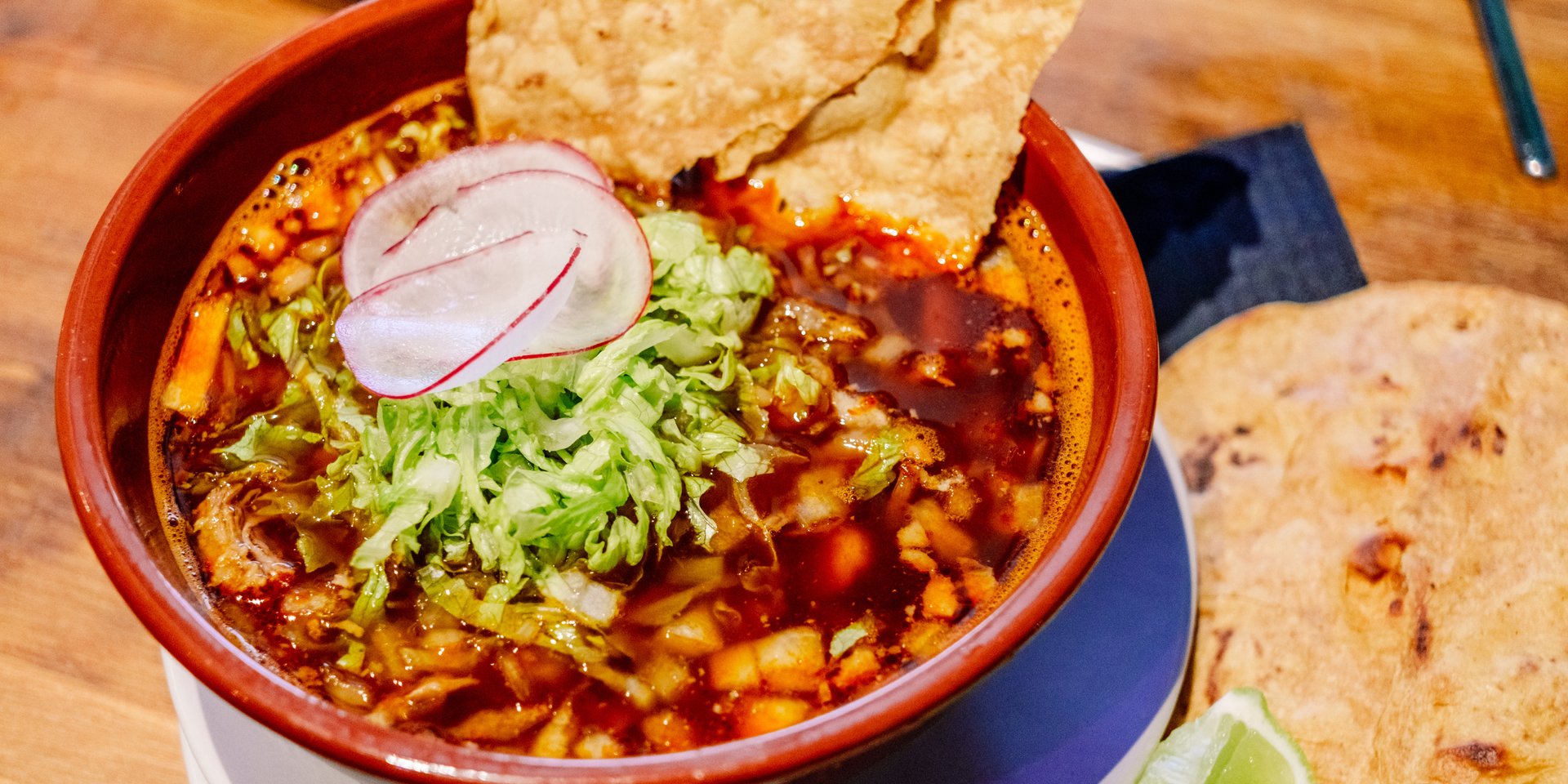
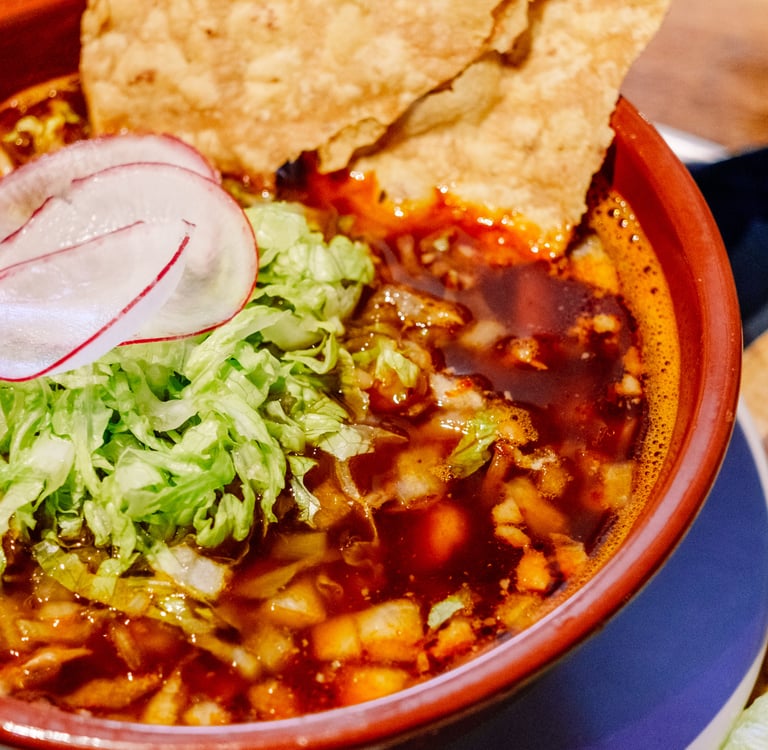
This is the cuisine of handmade tortillas, tamales wrapped like little gifts, moles that take days to perfect, pozole served at celebrations, and salsas ground in stone mortars. Every region has its own personality. Oaxaca brings smoke, chocolate, mole, tlayudas, and mezcal. Puebla brings mole poblano and chiles en nogada. Michoacán brings carnitas, corundas, uchepos, and some of the deepest living food traditions in the country.
Where to experience it: Oaxaca, Puebla, Michoacán, Mexico City, Mérida
What to taste: Mole, tamales, handmade tortillas, pozole, tlayudas, atole, cochinita pibil
Why it survived: Because corn is not just an ingredient in Mexico. It is ancestry.
2. The Art Of Neapolitan Pizzaiuolo
Naples, Italy
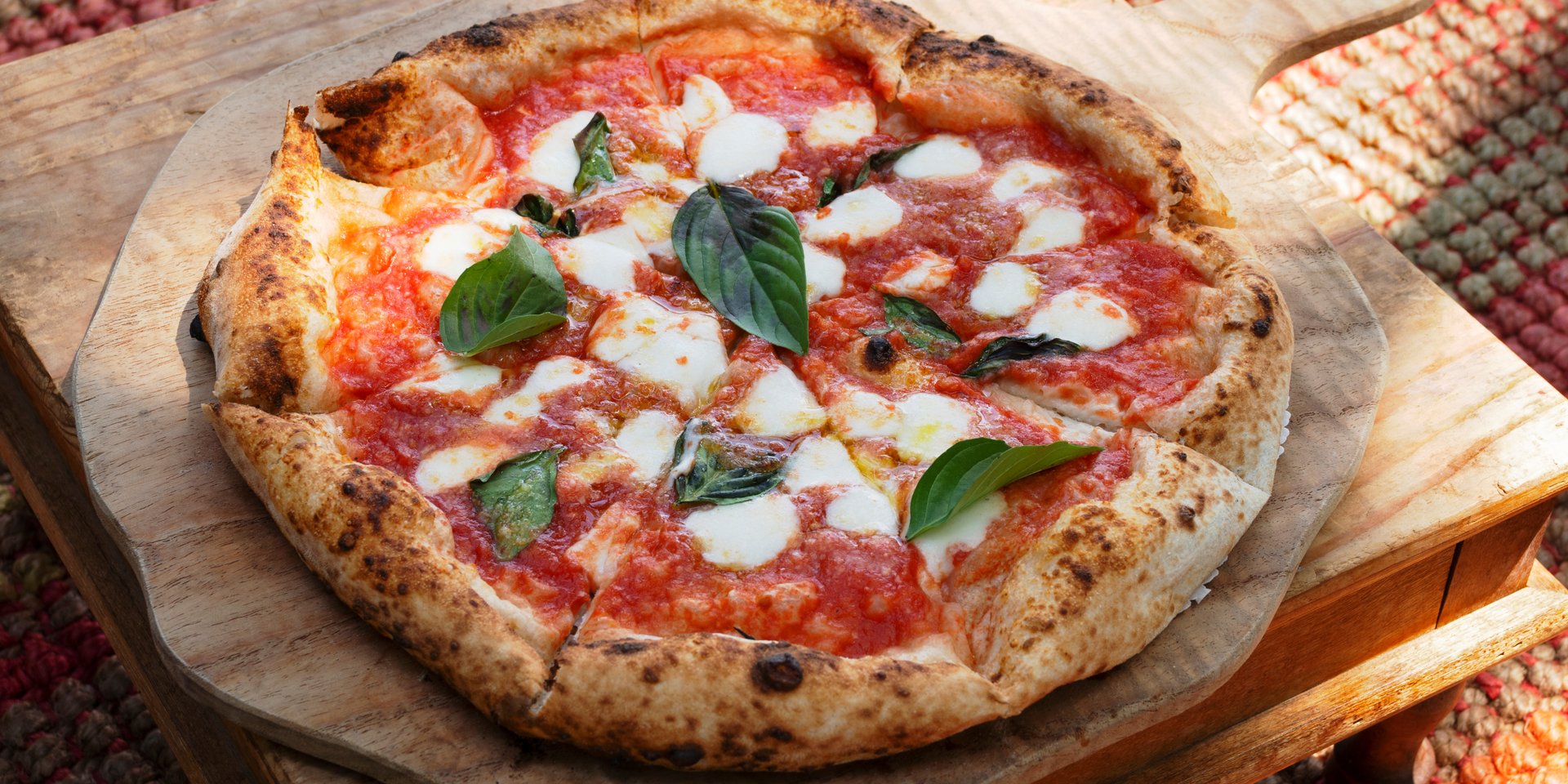
Pizza may be global now, but Naples still owns the soul of it. The art of Neapolitan pizza-making is not just throwing sauce and cheese on dough. It is choreography. The dough is mixed, rested, stretched, slapped, shaped, topped, and turned in a blazing wood-fired oven with the kind of practiced movement that looks effortless until you try it and immediately understand you are not that person.
UNESCO recognizes the art of the Neapolitan pizzaiuolo as a living culinary practice tied to dough preparation, wood-fired baking, and the skill of pizzaiuoli in Naples. The tradition is especially rooted in Campania, where thousands of pizza makers continue the craft.
What makes it powerful is not just the pizza itself. It is the neighborhood pizzeria, the oven, the line outside, the smell of blistered crust, and the fact that something so simple can still make people emotional.
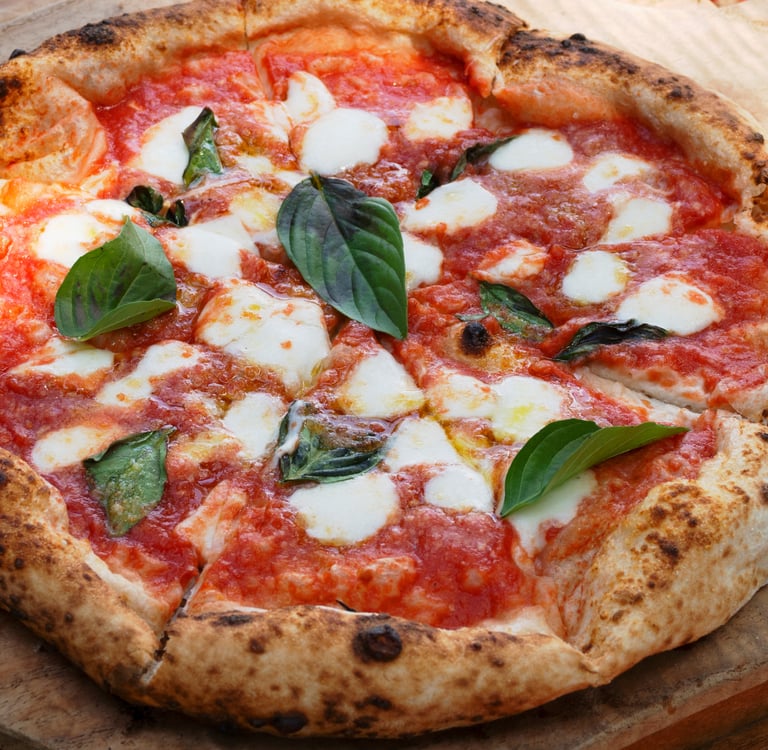
Real Neapolitan pizza does not need chaos. It needs dough, tomatoes, mozzarella, basil, heat, hands, and restraint. A lesson many modern menus could stand to hear.
Where to experience it: Naples, especially the historic center
What to taste: Pizza Margherita, pizza marinara, fried pizza
Why it survived: Because Naples turned flour, water, tomato, and fire into a religion.
3. Qvevri Wine-Making
Georgia
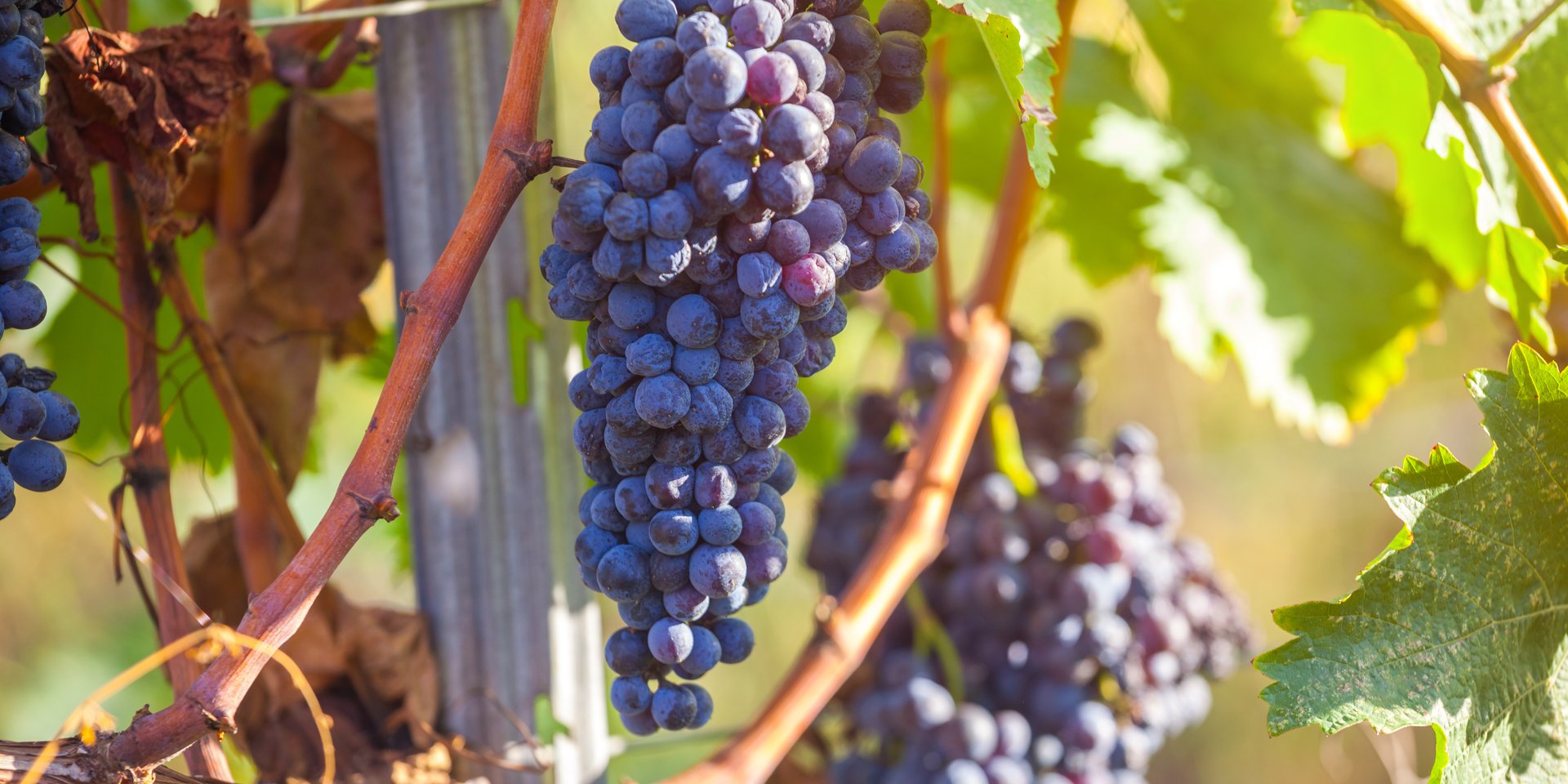
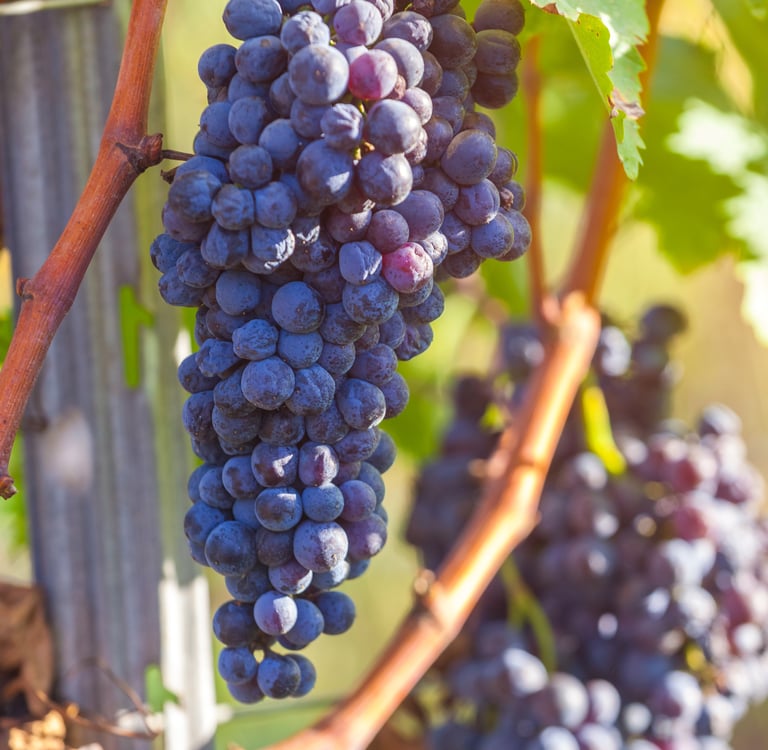
Georgia does not treat wine like a beverage. Georgia treats wine like a bloodline. In traditional qvevri wine-making, grapes are pressed and fermented in large egg-shaped clay vessels that are buried underground. The juice, skins, stalks, and seeds can all become part of the fermentation process, creating wines that taste earthy, ancient, textured, and alive. UNESCO notes that traditional Georgian qvevri wine-making involves sealing and burying the qvevri so the wine can ferment for months underground.
Georgia is also one of the oldest known wine regions on earth. Archaeological evidence from Neolithic sites in Georgia has shown large-scale wine production as early as around 6000 B.C.
This is not wine as a sleek tasting-room accessory. This is wine tied to feasts, toasts, family, harvest, hospitality, and national identity. A Georgian supra, or feast, can feel less like dinner and more like stepping into an ancient ceremony where every glass has meaning.
Where to experience it: Kakheti, Tbilisi, Imereti, Telavi, Sighnaghi
What to taste: Amber wine, Saperavi, Rkatsiteli, qvevri wine, khachapuri, khinkali
Why it survived: Because in Georgia, wine is not separate from life. It is part of the language of belonging.

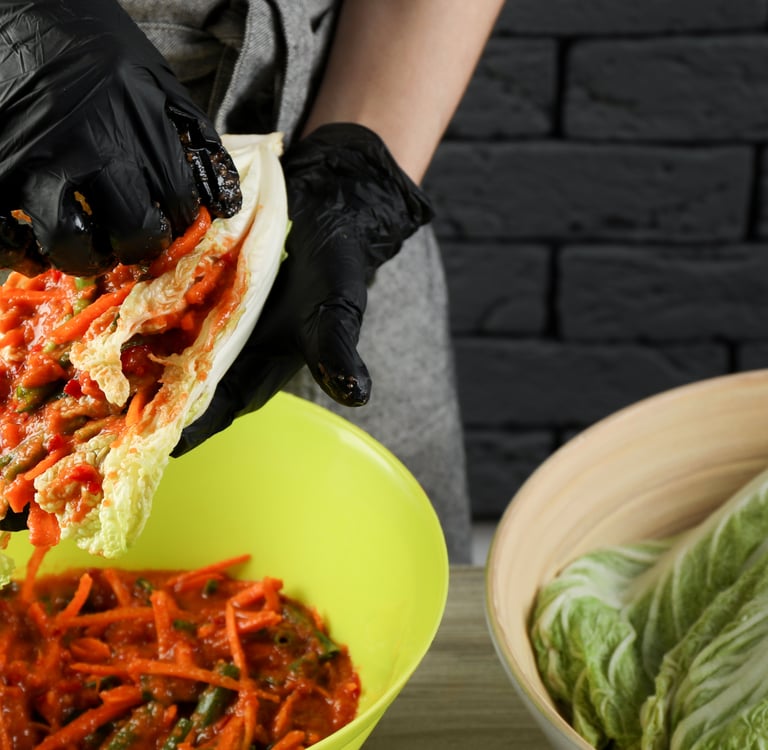
4. Kimjang
South Korea
Kimchi is famous. Kimjang is the tradition behind it. Kimjang is the seasonal practice of making and sharing kimchi, traditionally before winter. Families, neighbors, and communities gather to prepare large quantities of fermented vegetables, most often napa cabbage and radish, seasoned with chili, garlic, ginger, scallions, salted seafood, and patience.
UNESCO recognizes kimjang in South Korea as a communal practice that strengthens family cooperation and reaffirms Korean identity.
What makes kimjang beautiful is that it is not just about food preservation. It is about preparation for the future. It is people coming together before the cold months, making enough to share, store, and survive. It is practical, emotional, seasonal, and deeply communal.
Kimchi has traveled the world, but kimjang reminds you that the heart of the tradition is not just the jar. It is the people around it.
Where to experience it: Seoul, Jeonju, Gwangju, Busan, Korean food festivals
What to taste: Baechu kimchi, kkakdugi, kimchi jjigae, kimchi pancakes, bossam with kimchi
Why it survived: Because fermentation is memory with a pulse.
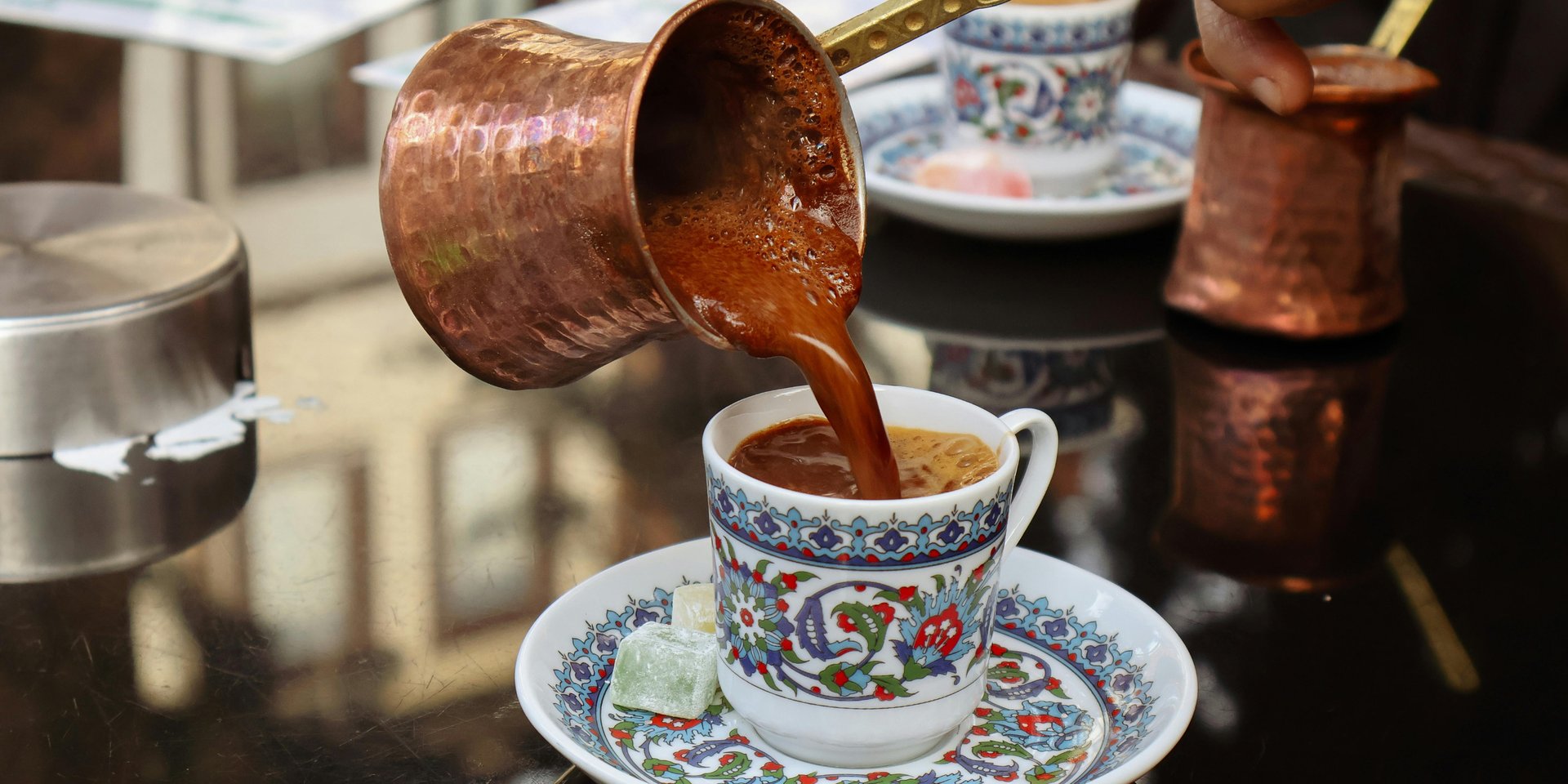
5. Turkish Coffee Culture
Türkiye
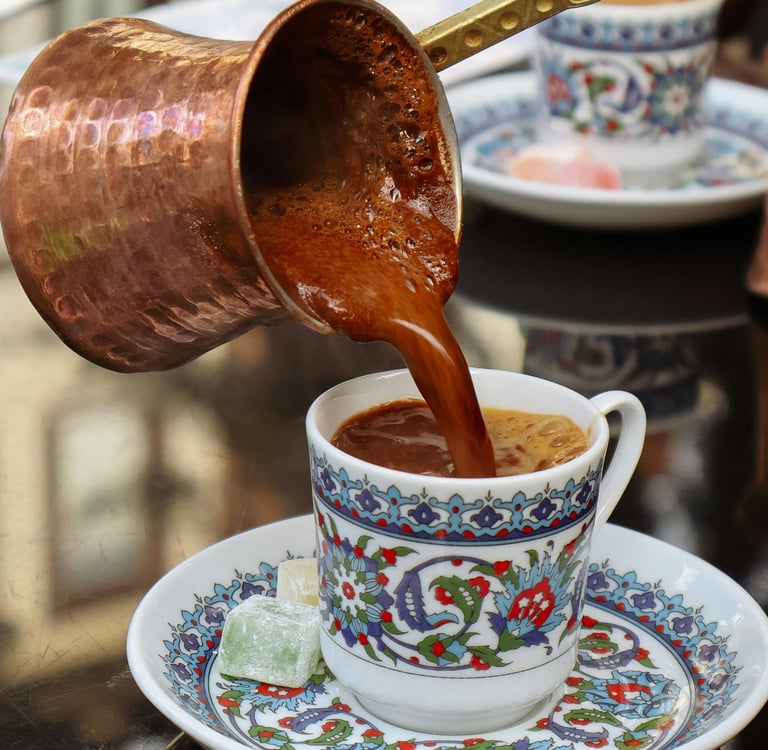
Turkish coffee is small, strong, and absolutely not here to be rushed. Prepared in a cezve, served in tiny cups, and often accompanied by conversation, sweets, and ceremony, Turkish coffee is less about caffeine and more about presence. It is hospitality in liquid form.
UNESCO recognizes Turkish coffee culture and tradition as part of Turkish cultural heritage, connected to ceremonial occasions, literature, songs, and social life.
The coffee is unfiltered, rich, and intense, with grounds settling at the bottom of the cup. The ritual matters as much as the taste. It is poured carefully. It is served slowly. Sometimes the remaining grounds are even used for fortune telling, because apparently coffee was not already dramatic enough.
And honestly, we respect it.
Where to experience it: Istanbul, Gaziantep, Izmir, Ankara, traditional coffee houses
What to taste: Turkish coffee, lokum, baklava, künefe
Why it survived: Because some traditions understand that the best conversations require tiny cups and no hurry.
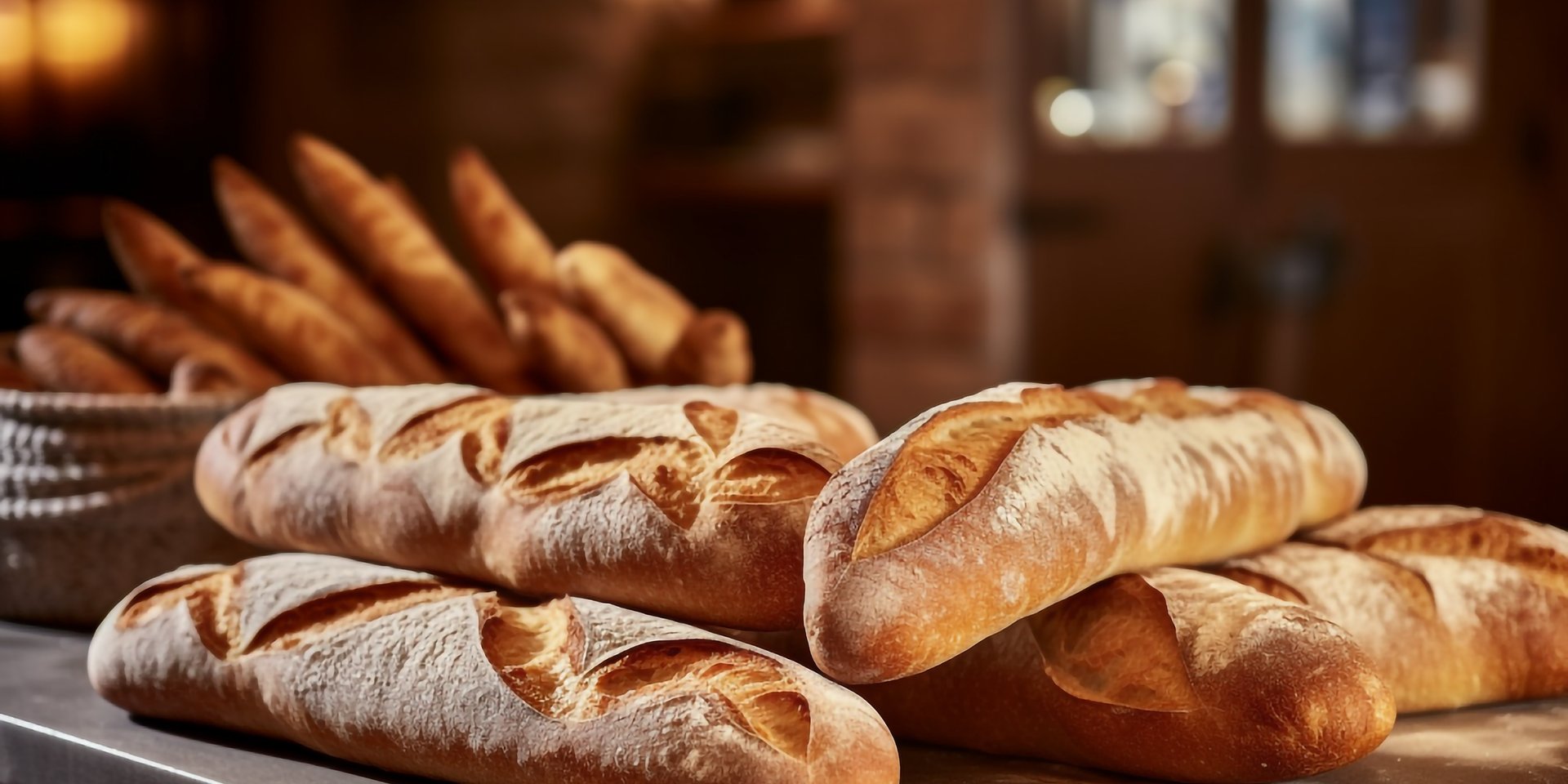
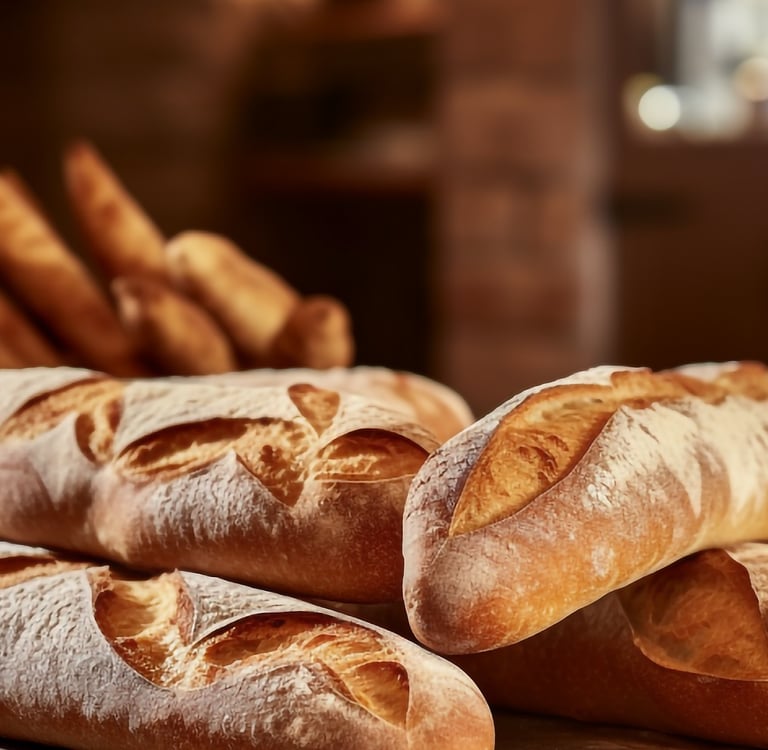
6. The French Baguette Tradition
France
A baguette is not just bread in France. It is a daily ritual with a crust. The walk to the bakery, the smell of warm bread, the paper wrapper, the end piece mysteriously missing before anyone gets home, all of it is part of the culture. The baguette is ordinary in the best possible way. It belongs to breakfast tables, picnic blankets, school lunches, café counters, and every dinner where cheese is present, which in France is basically a spiritual requirement.
UNESCO recognizes the artisanal know-how and culture of baguette bread, noting that the traditional production process includes mixing, kneading, fermentation, shaping, scoring, and baking.
The baguette survives because it is woven into everyday French life. It does not need to be rare to be meaningful. Sometimes the most powerful traditions are the ones people carry home under their arm.
Where to experience it: Paris, Lyon, Bordeaux, Strasbourg, Annecy, small-town boulangeries across France
What to taste: Traditional baguette, jambon-beurre, cheese and bread, tartines
Why it survived: Because France knows bread should crackle when you break it.


7. Belgian Beer Culture
Belgium
Belgian beer culture is not just “having a beer.” It is craft, history, glassware, monasteries, taverns, yeast, patience, and extremely serious opinions. Belgium has hundreds of beer styles, from lambics and gueuze to saisons, dubbels, tripels, witbiers, and Trappist ales. The culture around Belgian beer includes brewing traditions, tasting rituals, food pairings, festivals, and social gatherings. UNESCO recognizes Belgian beer culture as living heritage that plays a role in daily and festive life.
What makes Belgian beer so fascinating is its range. Some beers are sour and wild. Some are rich and dark. Some are light and spicy. Some taste like they were brewed by medieval monks who knew exactly what they were doing.
Where to experience it: Bruges, Brussels, Ghent, Leuven, Antwerp, Trappist abbeys
What to taste: Lambic, gueuze, saison, dubbel, tripel, witbier
Why it survived: Because Belgium turned brewing into both a craft and a cultural personality trait.
8. The Mediterranean Diet
Greece, Italy, Spain, Morocco, Portugal, Cyprus, Croatia
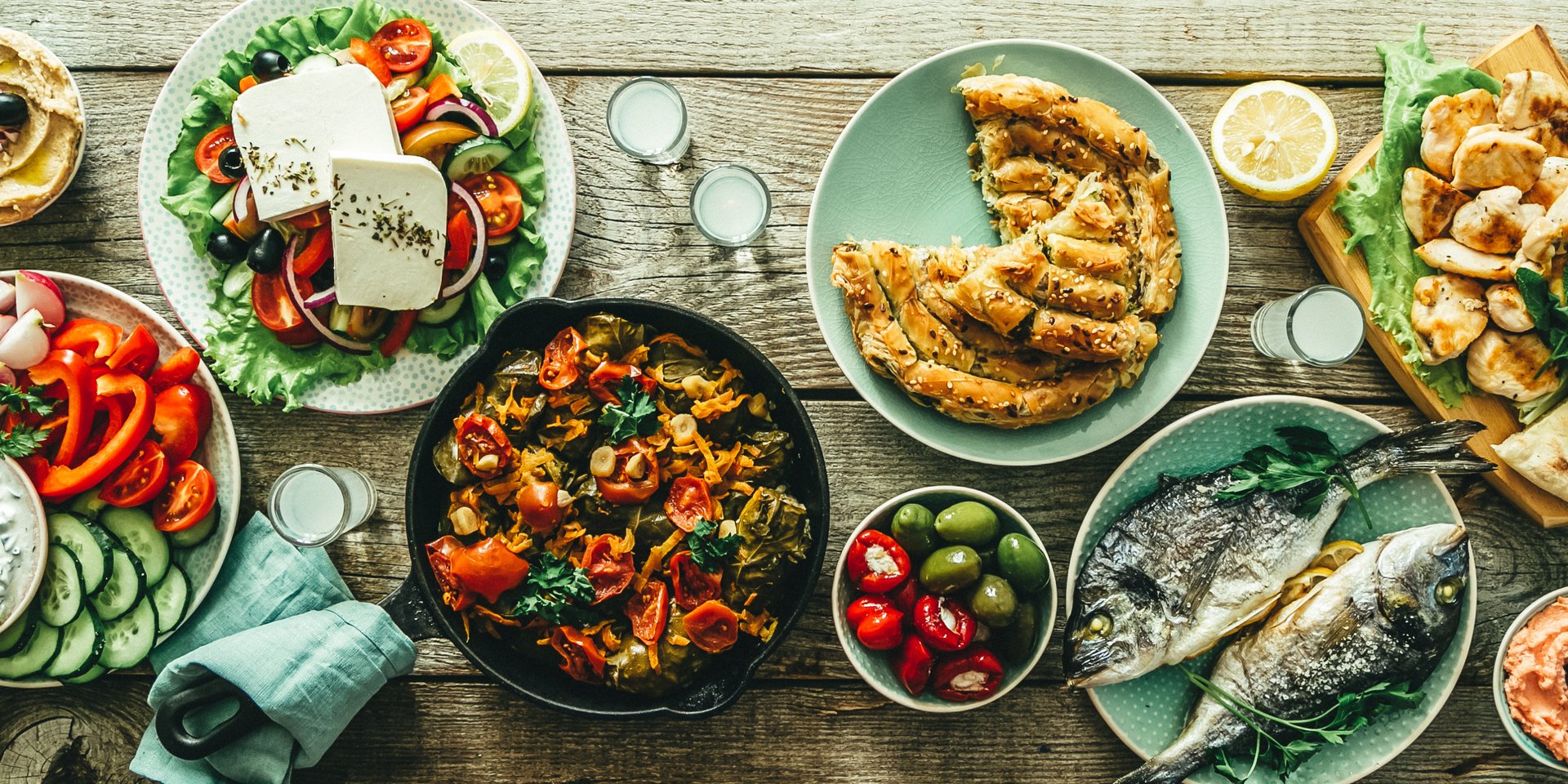
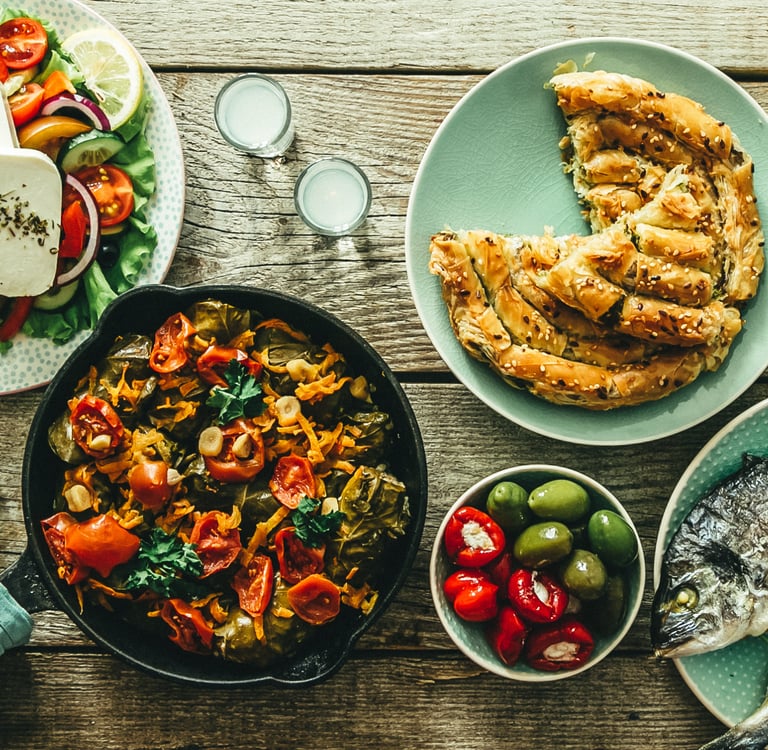
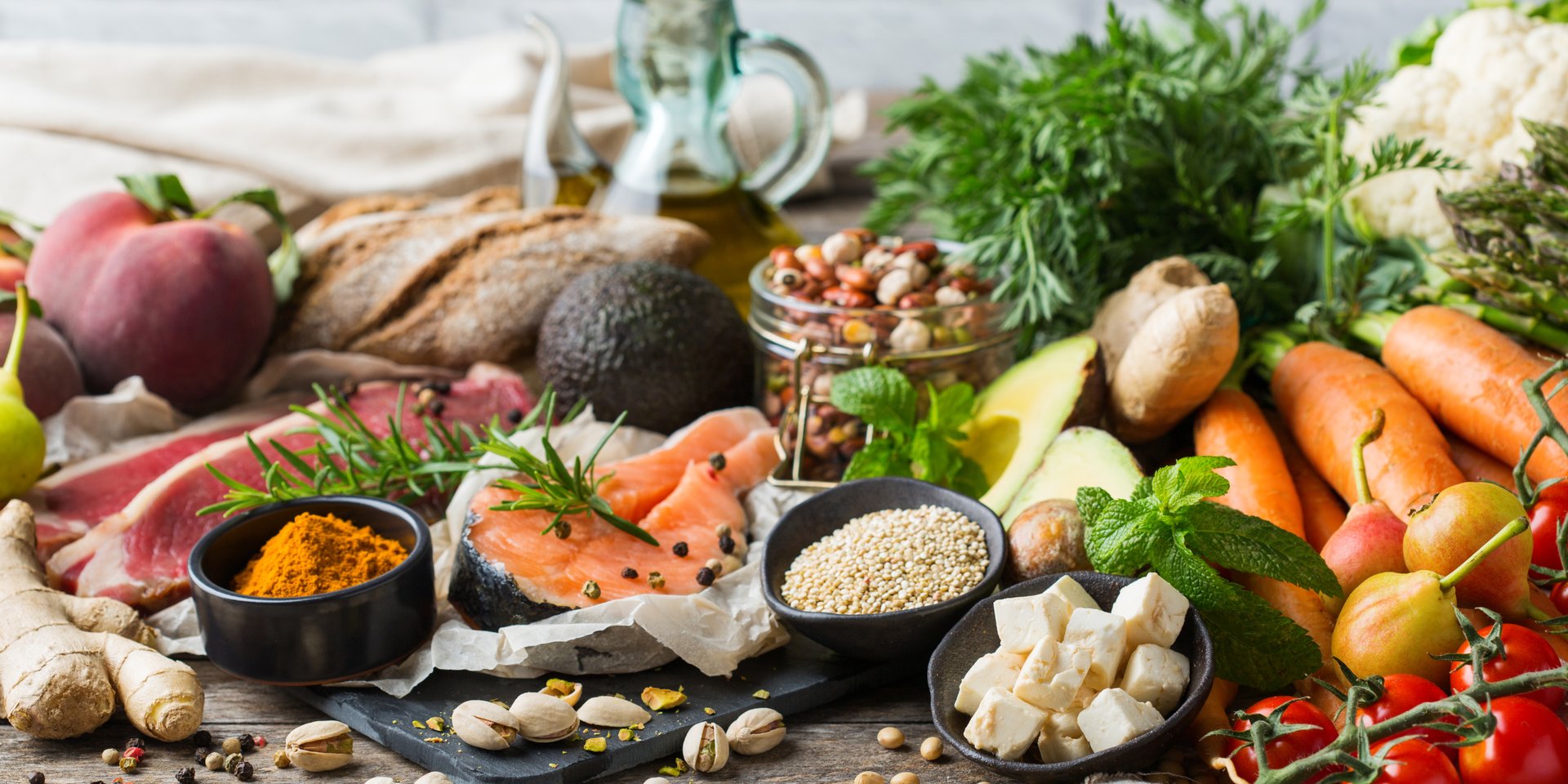
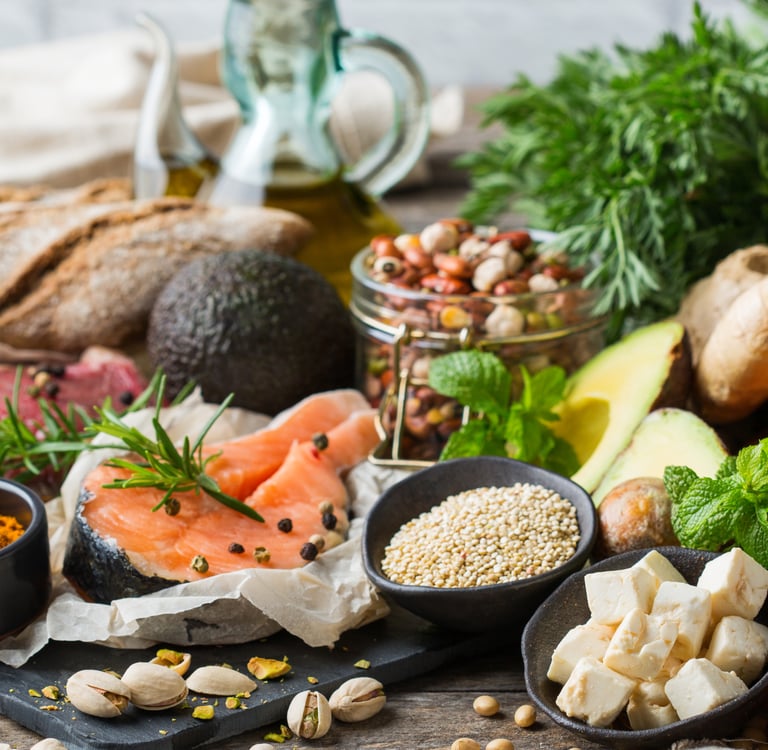
The Mediterranean diet is often talked about like a health trend, but its roots are much deeper than wellness magazines would have you believe. This is a way of eating shaped by olive groves, fishing villages, vineyards, grain fields, gardens, markets, and long tables. It is not just olive oil and vegetables. It is knowledge about seasons, harvesting, cooking, preserving, sharing, and gathering.
UNESCO describes the Mediterranean diet as a set of skills, knowledge, rituals, symbols, and traditions connected to crops, harvesting, fishing, animal husbandry, conservation, cooking, and especially communal eating.
At its best, this tradition is not about restriction. It is about abundance without excess. Tomatoes at the right time. Fish near the sea. Bread on the table. Olive oil like punctuation. Wine, sometimes. Conversation, always.
Where to experience it: Crete, Sicily, Andalusia, Provence, coastal Croatia, Portugal’s Algarve, Morocco’s coastal cities
What to taste: Olive oil, grilled fish, legumes, fresh bread, herbs, seasonal vegetables, local cheeses
Why it survived: Because eating well was never supposed to be complicated.
9. Washoku
Japan
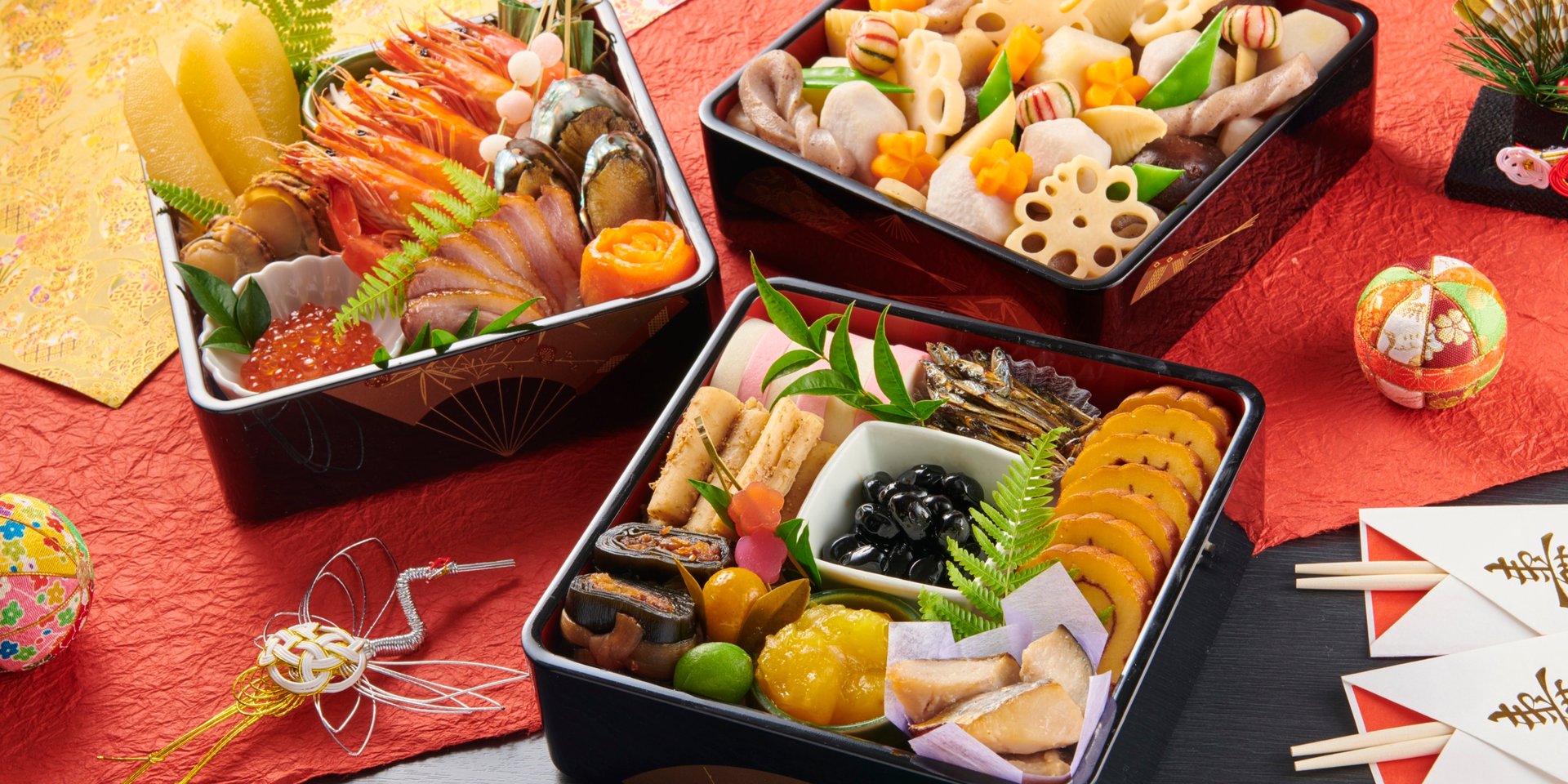
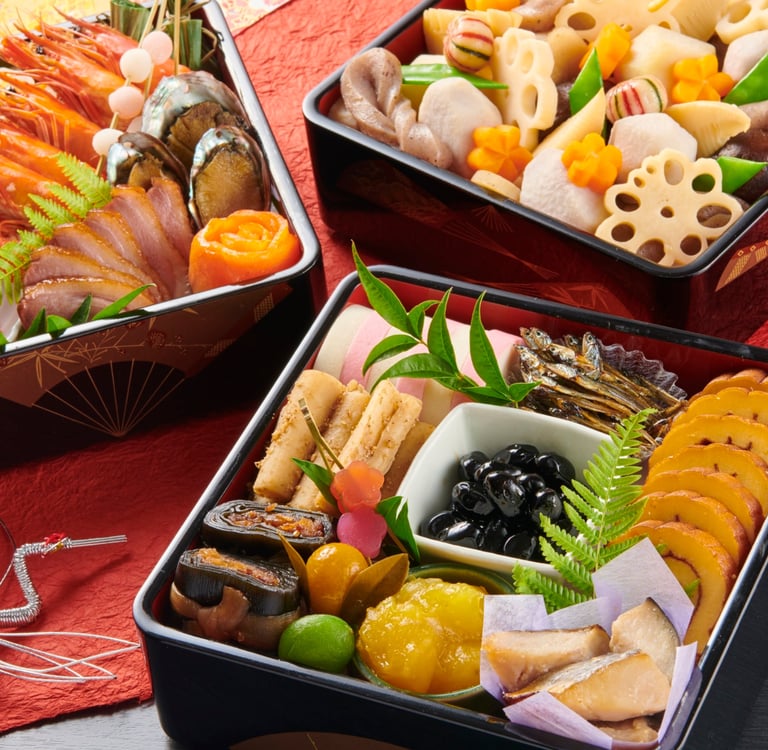
Washoku is the traditional dietary culture of Japan, and it is one of the most elegant examples of food as philosophy. It is built around seasonality, balance, presentation, respect for ingredients, and harmony between rice, soup, side dishes, fish, vegetables, pickles, and tea. It is especially important during New Year celebrations, but its influence reaches far beyond one holiday.
UNESCO recognizes washoku as a traditional Japanese dietary culture that values natural, locally sourced ingredients such as rice, fish, vegetables, and edible wild plants.
What makes washoku powerful is its quietness. Nothing screams. Nothing begs for attention. The beauty is in the balance, the season, the bowl, the arrangement, the restraint.
It is food that says: notice the world.
Where to experience it: Kyoto, Kanazawa, Tokyo, Takayama, Nara
What to taste: Miso soup, rice, seasonal fish, pickles, soba, tofu, kaiseki, osechi ryori
Why it survived: Because Japan made seasonality sacred.


10. Arabic Coffee Hospitality
Arabian Peninsula
Arabic coffee is not just coffee. It is a welcome. Served from a dallah coffee pot into small cups, often with dates, Arabic coffee is deeply tied to hospitality, generosity, respect, and social ritual. The pouring, serving, receiving, and refilling all carry meaning.
UNESCO recognizes Arabic coffee as a symbol of generosity in Arab societies, especially connected to hospitality traditions.
The flavor is often lighter than Turkish coffee and may include cardamom or other spices depending on the region. But the real point is not just taste. It is the act of receiving someone properly. This is the kind of tradition that reminds you food and drink are not always about consumption. Sometimes they are a language.
Where to experience it: Saudi Arabia, Oman, Qatar, United Arab Emirates, Jordan
What to taste: Arabic coffee, dates, cardamom coffee, regional sweets
Why it survived: Because hospitality is one of the oldest currencies in the world.
11. Lavash And Flatbread Traditions
Armenia, Azerbaijan, Iran, Kazakhstan, Kyrgyzstan, Türkiye
Flatbread may be one of humanity’s oldest and most universal foods, but in many cultures, it is far more than something served beside a meal.
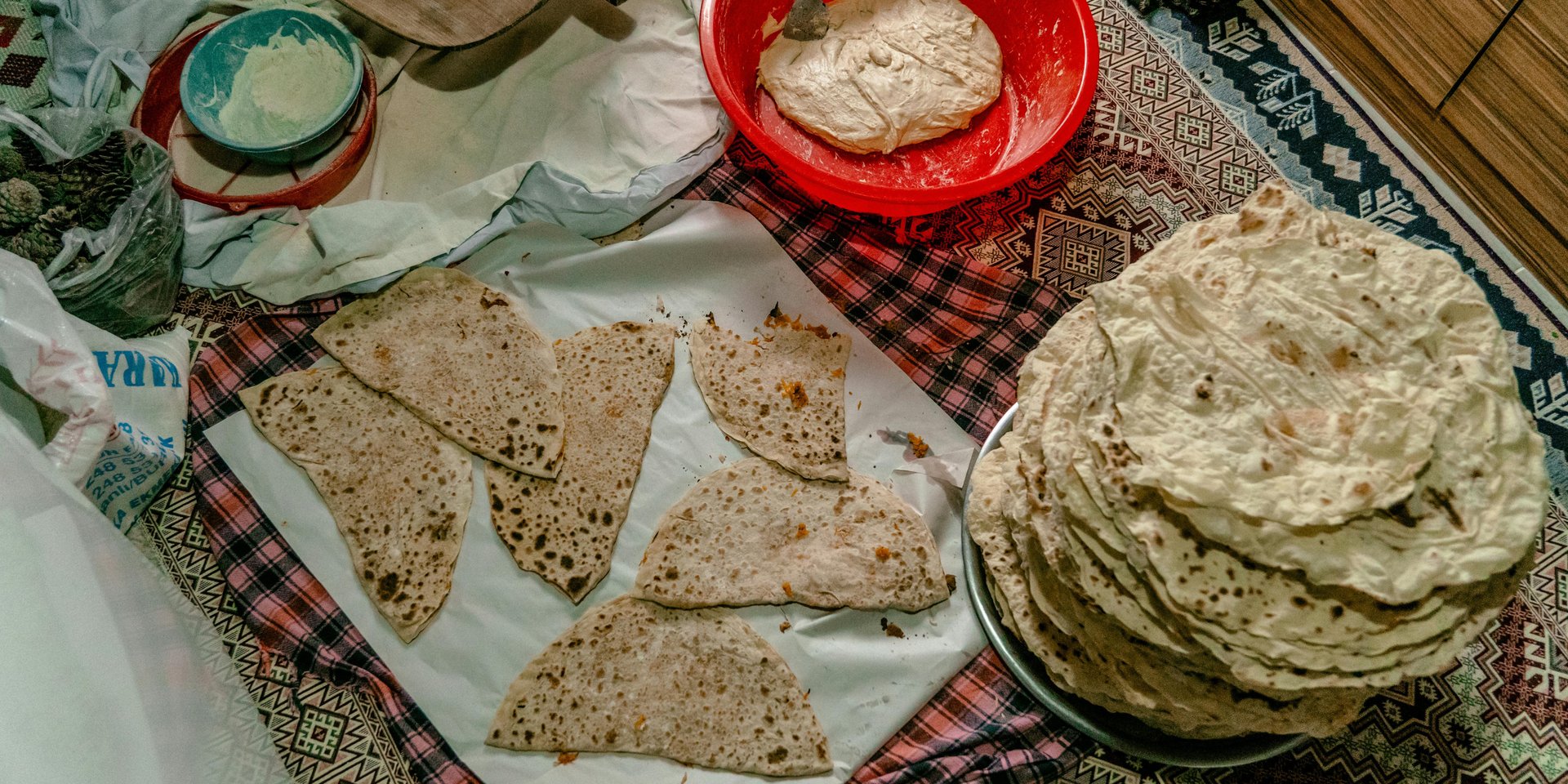
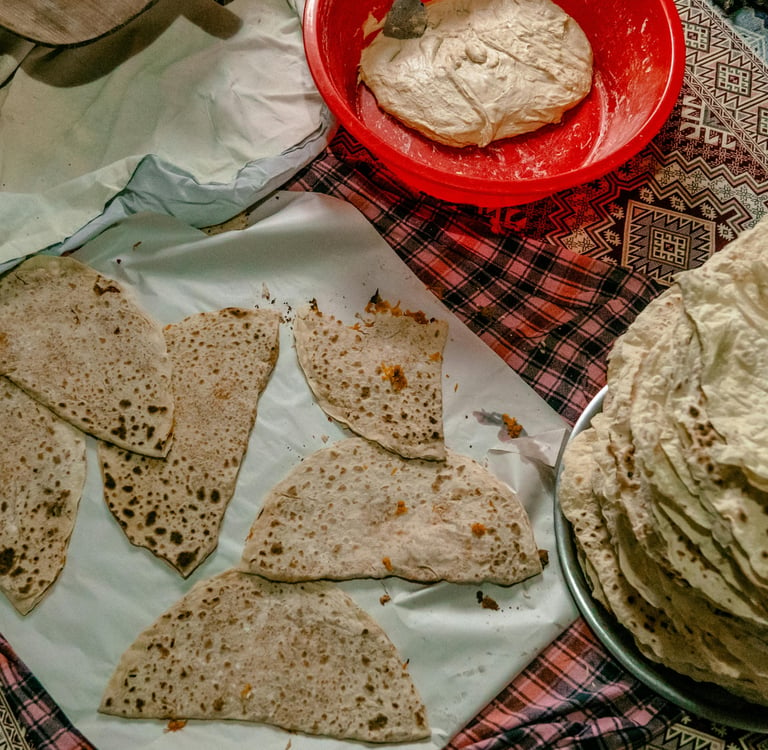
Lavash, yufka, jupka, katyrma, and other traditional flatbreads are tied to family kitchens, clay ovens, communal preparation, weddings, everyday meals, and regional identity. UNESCO recognizes Armenian lavash as a traditional thin bread that forms an integral part of Armenian cuisine, often prepared by groups of women.
UNESCO also recognizes the broader flatbread-making and sharing culture of lavash, katyrma, jupka, and yufka across several countries, noting that the bread-making process often involves multiple people, each with a specific role.
That is what makes bread traditions so moving. They are humble, but never small. A piece of bread can carry migration, family, religion, gender roles, celebration, and survival.
Where to experience it: Yerevan, Baku, Istanbul, rural villages, traditional bakeries and markets
What to taste: Lavash, yufka, grilled meats, herbs wrapped in flatbread, cheese, stews
Why it survived: Because bread is one of the oldest ways humans gathered around fire.


12. Couscous
North Africa
Couscous is often treated like a side dish outside North Africa, which is almost rude considering its cultural résumé.
In Algeria, Morocco, Tunisia, and Mauritania, couscous is tied to family, hospitality, Friday meals, celebrations, and regional identity. It is made from semolina grains that are steamed, fluffed, and served with vegetables, meats, broths, chickpeas, spices, and sauces that vary by place and household.
UNESCO recognizes the knowledge, know-how, and practices related to the production and consumption of couscous, describing it as a dish tied to solidarity, conviviality, shared meals, and togetherness.
The beauty of couscous is that it can be simple or ceremonial. It can feed a family, welcome a guest, mark a holiday, or hold an entire afternoon together.
Where to experience it: Marrakesh, Fez, Tunis, Algiers, Essaouira, Nouakchott
What to taste: Couscous with lamb, vegetable couscous, seafood couscous, chickpeas, harissa, preserved lemon
Why it survived: Because some foods are built to be shared.
The Best Food Traditions Are Still Alive
What makes these culinary traditions unforgettable is not just age. Old does not automatically mean meaningful. These traditions matter because people are still doing them.
Still kneading.
Still fermenting.
Still grinding corn.
Still burying wine underground.
Still pouring coffee for guests.
Still steaming couscous.
Still shaping bread.
Still gathering around tables because that is what humans do when we remember who we are.
Food travel is often sold as a list of restaurants, but the real magic is deeper than that. It is finding the places where flavor carries history. It is tasting something and realizing it has outlived kings, borders, trends, and empires. That is the power of culinary heritage. It reminds us that travel is not just about seeing the world. Sometimes it is about sitting down, taking a bite, and realizing the world has been waiting centuries to tell you a story.
Final Thought
The next time you travel, do not just ask, “Where should I eat?”
Ask what people have been making for generations. Ask what dish shows up at weddings, funerals, harvests, holidays, markets, and family tables. Ask what recipe nobody writes down because everyone learned it by watching someone else’s hands.
That is where the real flavor of a place lives. Not in the trendiest restaurant. In the tradition that survived.
Explore
Discover hidden gems in small cities worldwide.
© 2025. All rights reserved. Ripe Melland Media