Stop scrolling and start visiting

Alpine Villages Too Beautiful To Be Real
Discover lesser-known Alpine villages too beautiful to be real, from Switzerland’s Soglio and Guarda to France’s Saint-Véran, Italy’s Chamois and Sauris, Slovenia’s Jezersko, Austria’s Heiligenblut, and more.
FAIRYTALE PLACES
Sarah Melland
7/8/202615 min read
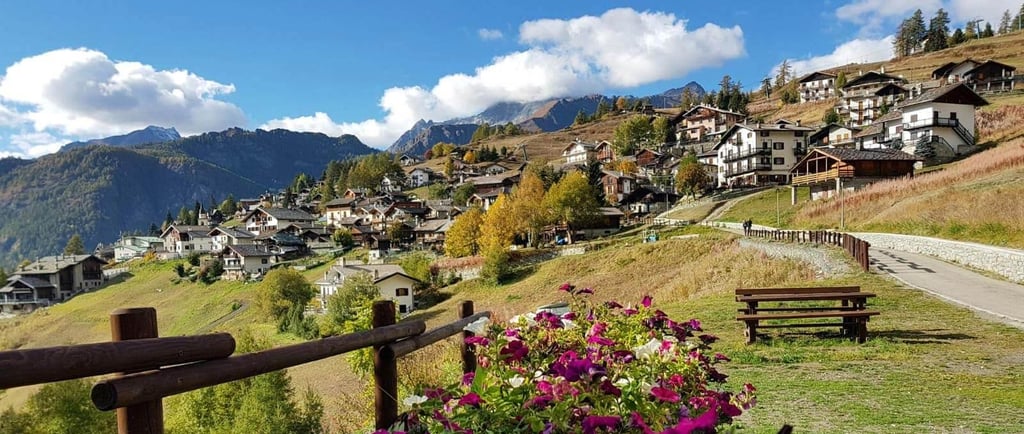
Alpine Villages Too Beautiful To Be Real
Lesser-Known Mountain Villages For Travelers Who Want The Alps Without The Same Old Crowds
There are Alpine villages everyone knows.
Lauterbrunnen with its waterfall valley.
Mürren and Wengen floating above Switzerland.
Grindelwald with the Eiger watching every move.
Hallstatt reflected perfectly in the lake.
Ortisei glowing beneath the Dolomites.
They are famous for a reason. They are also not the whole story.
The Alps are full of smaller, quieter, stranger, dreamier villages that rarely get the same attention, even though they look like they were built specifically to make travelers stop mid-sentence. Some are car-free. Some sit on sun terraces above deep valleys. Some are made of dark timber, slate roofs, painted facades, stone towers, flower balconies, and lanes so narrow they seem designed for secrets.
These are not the Alpine villages that dominate every postcard rack. They are the ones you find when you look a little sideways.
The ones where the church bell still matters. Where the mountains feel close. Where the village is not just a backdrop for photos, but a living place with bakeries, barns, traditions, wood smoke, old fountains, winter roads, summer trails, and the kind of quiet that makes you lower your voice without knowing why.
If you love the famous Alpine dream but want somewhere less obvious, start here. These are Alpine villages too beautiful to be real.
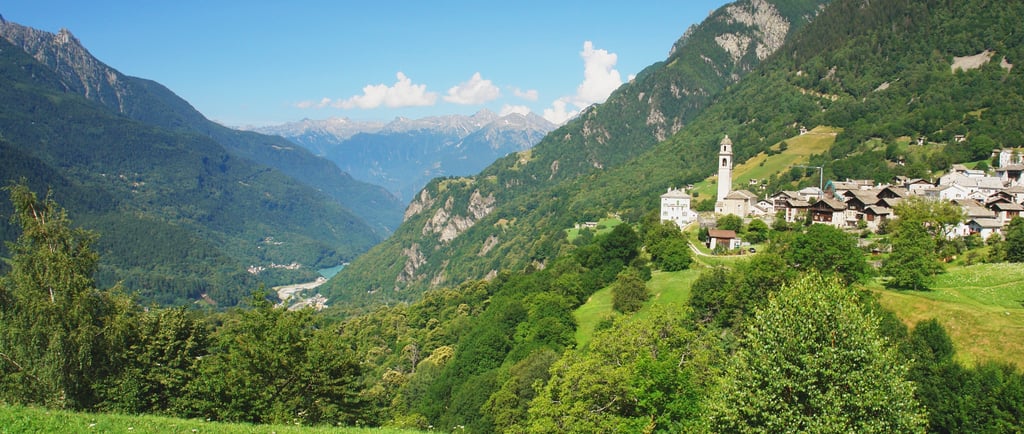
1. Soglio, Switzerland
The Sun Terrace That Feels Like A Doorway To Paradise
Soglio does not look like it is trying to impress you. That is part of why it does.
Set high in Switzerland’s Val Bregaglia, near the Italian border, Soglio sits on a sunny terrace above the valley, with stone houses, narrow lanes, chestnut trees, gardens, old palazzi, and views toward jagged peaks that look almost theatrical. The village feels Italian and Swiss at once: southern softness tucked into Alpine severity.
It is not glossy in the way famous Swiss resorts can be glossy. It is quieter. Older. More poetic. The roofs are stone. The lanes are close. The buildings seem to lean into each other as if they have been keeping the same secrets for centuries.
Painters and poets have understood Soglio for a long time. It has the kind of beauty that does not need drama because the setting already supplies it: green valley below, snowy peaks above, flowered walls, and that strange Alpine light that makes stone look warmer than it should.
This is a village for wandering slowly, not racing through. Have lunch. Walk the lanes. Look across Val Bondasca. Let the mountains do what mountains do best: make everything else feel smaller and more manageable.
Go here for: stone lanes, old palazzi, mountain views, chestnut groves, and a Swiss village that feels like a whispered secret.
Best base: Soglio itself, Bregaglia Valley, St. Moritz, or Chiavenna across the Italian side.
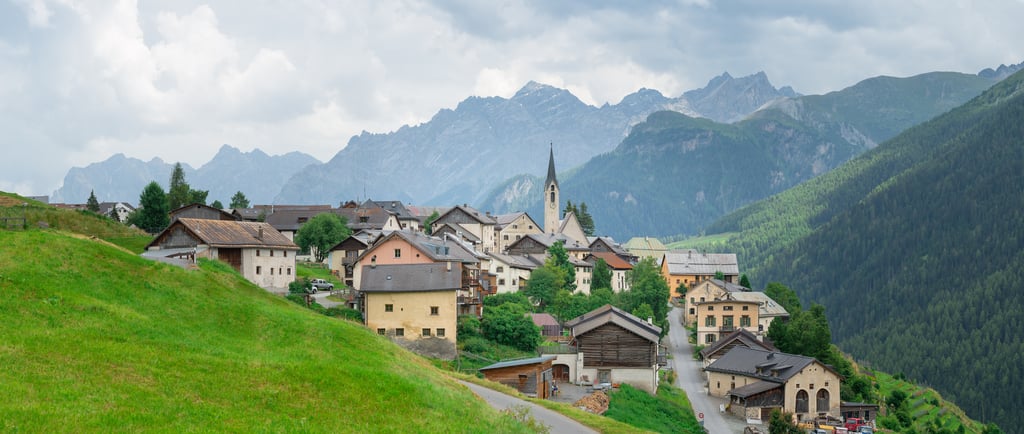
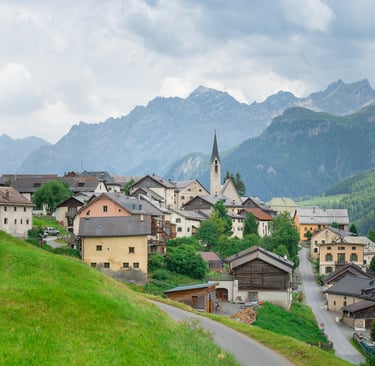
2. Guarda, Switzerland
The Painted Engadin Village Above The Inn Valley
Guarda looks like someone illustrated a children’s book and then forgot to tell you it was real.
Perched high above the Inn Valley in the Lower Engadin, this tiny Swiss village is known for its traditional Engadin houses, sgraffiti decorations, painted facades, deep windows, and intact village landscape. It is the kind of place where every doorway seems to have been given extra attention, as if beauty here was not decoration but responsibility.
The village is also tied to the beloved Swiss story of Schellen-Ursli, which gives it even more fairytale atmosphere. But Guarda does not feel fake or staged. It feels preserved, lived-in, and proud of its details.
Walk slowly here. The magic is in the walls, the windows, the carved doors, the painted flourishes, and the way the village sits high and quiet above the valley road. It is exactly the kind of Alpine place that makes you wonder why everyone is crowding into the same famous viewpoints when whole villages like this are waiting quietly above the traffic.
Go here for: painted houses, Engadin architecture, folklore, peaceful lanes, and mountain views without the resort rush.
Best base: Guarda, Scuol, Zernez, or a slow Engadin route.
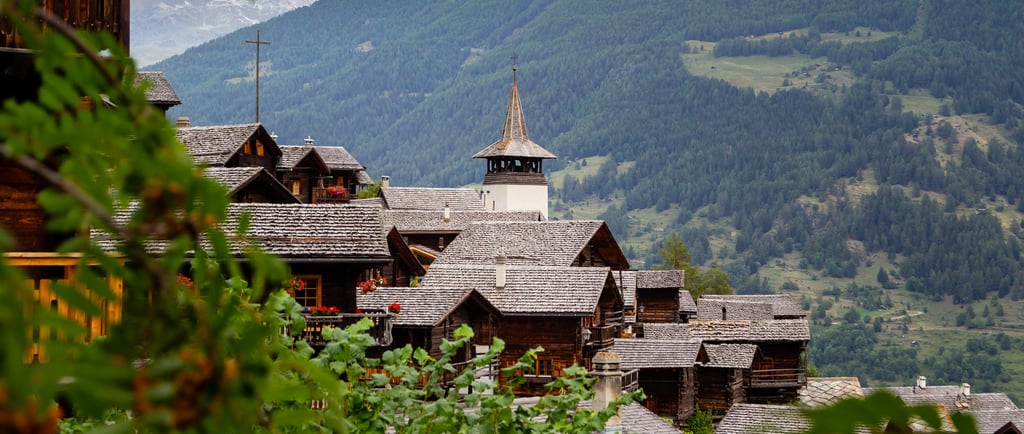
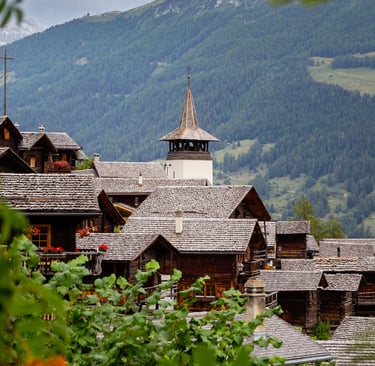
3. Grimentz, Switzerland
The Dark-Timber Village With Geraniums And Glacier Wine
Grimentz is almost unfairly pretty. Set in the Val d’Anniviers in Switzerland’s Valais region, it has the classic mountain-village ingredients: sun-darkened wooden houses, cobblestone lanes, flower boxes, barns, old granaries, mountain scenery, and balconies dripping with red geraniums in summer. It looks like the Alpine village your imagination would build if it were given too much wine and a very generous budget.
But Grimentz is not only beautiful. It has texture. The old village center feels deeply rooted, with heritage buildings, a historic mill, traditional houses, and a strong sense of local identity. It is polished enough to welcome travelers, but still charming enough to feel like a place instead of a set.
The best way to experience it is to arrive without needing it to entertain you every second. Stroll the lanes. Notice the dark timber. Try the local glacier wine if you can. Ride into the mountains. Stay long enough for the day-trippers to fade and the village to become itself again.
Go here for: dark wooden chalets, flower balconies, old lanes, mountain lifts, winter charm, and one of Switzerland’s most quietly perfect villages.
Best base: Grimentz, Zinal, Vissoie, or Sierre if you are moving through Valais.
4. Bonneval-sur-Arc, France
The Stone Village At The Edge Of The High Mountains
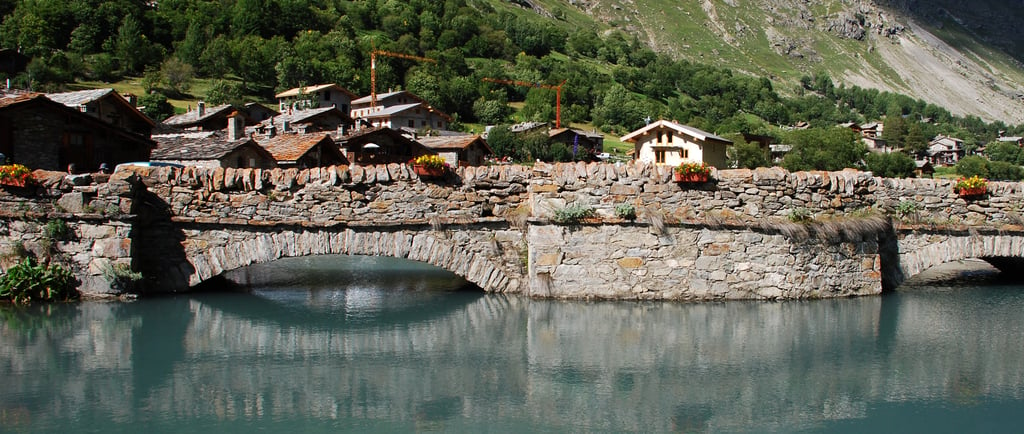
Bonneval-sur-Arc feels like the end of the road in the best possible way. Set high in the Haute Maurienne Vanoise region of the French Alps, this village has old stone houses, slate roofs, wooden balconies, mountain pastures, and a sense of being tucked deep into the landscape rather than placed on top of it. It is officially one of France’s most beautiful villages, but it still feels far less obvious than the big Alpine names.
This is not polished chalet fantasy. It is older, tougher, and more elemental.
The houses look built to handle weather. The mountains press close. The roads feel seasonal. The village has the mood of a place that has lived with snow, altitude, animals, and stone for a long time.
In winter, it becomes a village ski destination. In summer, it becomes a gateway to high mountain hikes, glaciers, rivers, and alpine meadows. But even if you do nothing grand, Bonneval-sur-Arc rewards the simple act of arriving. The scenery feels immediate. The silence feels earned.
Go here for: stone houses, slate roofs, high mountain culture, quiet ski village charm, and that “where the road ends” feeling.
Best base: Bonneval-sur-Arc, Bessans, Lanslebourg, or the Haute Maurienne Vanoise region.
5. Saint-Véran, France
The High Alpine Village Where The Sky Feels Close
Saint-Véran has one of the most magical claims in the Alps. People say it is the village where the rooster pecks at the stars.
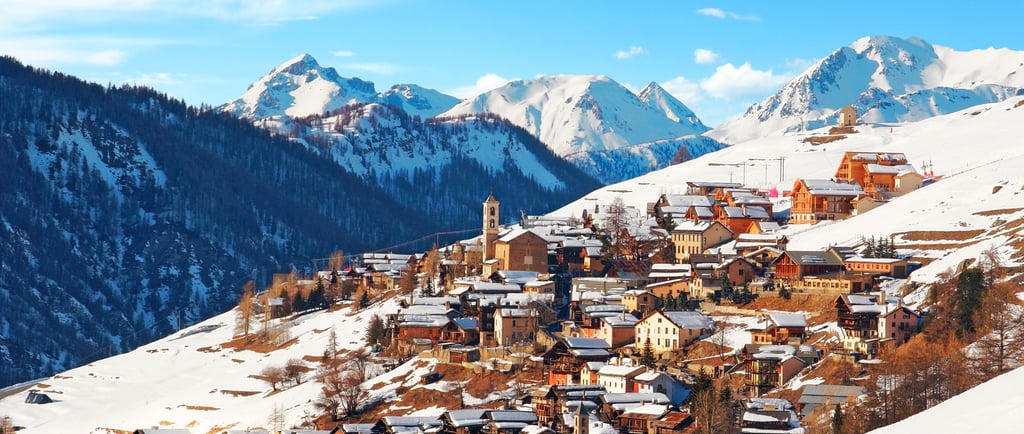
Perched high in the Queyras region of the French Alps, Saint-Véran is often described as one of Europe’s highest villages, and the elevation gives it a particular feeling. The light is sharper. The sky seems nearer. The houses, with their timber balconies, sundials, carved details, and mountain materials, feel built for a place where winter is not decorative, but real.
This is a different kind of French Alps. Not Chamonix drama. Not Courchevel gloss. The Queyras feels more remote, more rugged, more protected from the overbuilt side of mountain tourism. Saint-Véran belongs to that world: high, traditional, sunlit, and quietly extraordinary.
It is especially lovely for travelers who like their mountain villages with walking trails, astronomy, old fountains, rural traditions, and a feeling of genuine isolation. You do not come here to be seen. You come here to look up.
Go here for: high-altitude village life, Queyras hiking, traditional architecture, stargazing energy, and a French Alpine escape that feels beautifully far from the obvious route.
Best base: Saint-Véran, Molines-en-Queyras, or Guillestre.
6. Sixt-Fer-à-Cheval, France
The Village Beneath Waterfalls And Mountain Walls
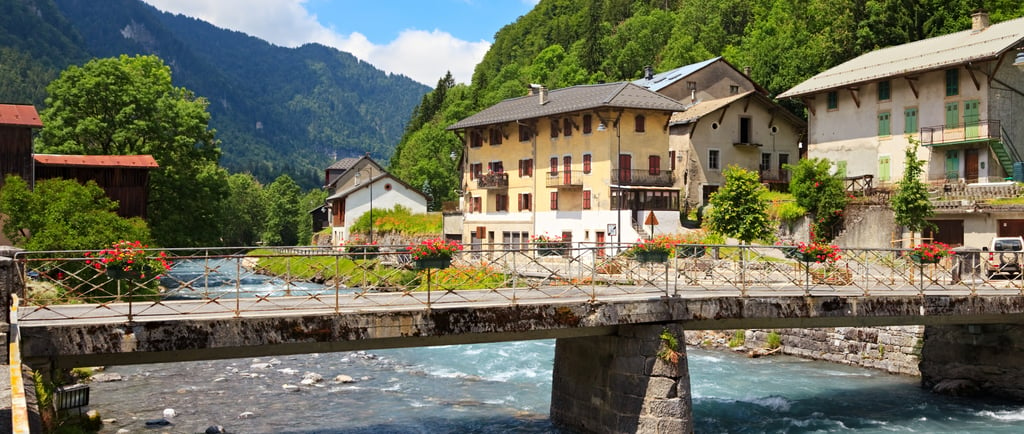
Sixt-Fer-à-Cheval feels less like a village and more like the opening scene of a mountain legend. Set in Haute-Savoie, it is known for its architectural heritage, 12th-century abbey, nearby waterfalls, and the immense Cirque du Fer-à-Cheval, a natural amphitheater of cliffs and cascades that makes the Alps feel almost cathedral-like.
The village itself is charming and authentic, but the surrounding landscape is what turns it into something unforgettable. Mountains rise around it. Waterfalls thread down cliffs. The Cascade du Rouget, often called the Queen of the Alps, adds a little drama because apparently this place was not already showing off enough.
Sixt-Fer-à-Cheval is ideal for travelers who want a village that feels tied to nature rather than separated from it. You are not just looking at the Alps from a balcony. You are walking into them through valleys, gorges, waterfalls, forests, and cliff walls.
It is famous enough in France to be loved, but still overlooked by many international travelers rushing toward Chamonix, Annecy, or the bigger resorts.
Their loss.
Go here for: waterfalls, mountain cirques, village lanes, abbey history, hiking, and a landscape that feels carved for myth.
Best base: Sixt-Fer-à-Cheval, Samoëns, or the Haut-Giffre region.
7. Chamois, Italy
The Car-Free Italian Village You Reach By Cable Car
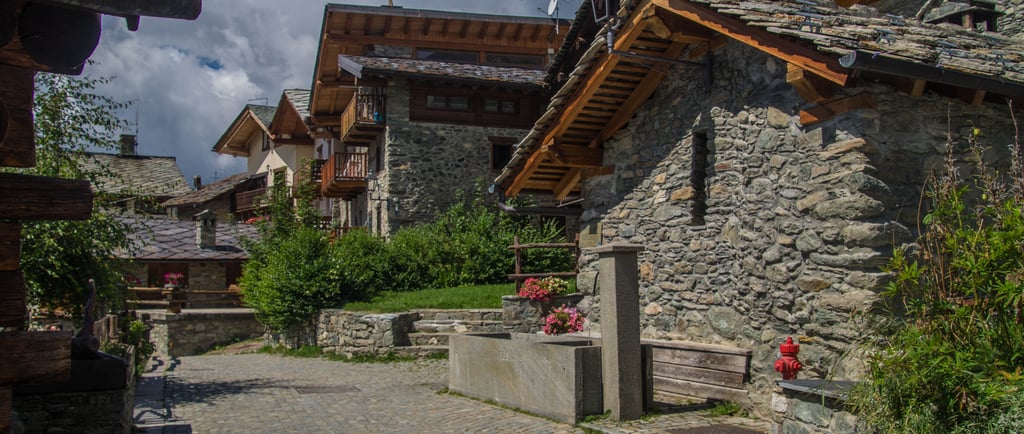
Chamois is what happens when an Alpine village refuses to let cars ruin the mood. Set in Italy’s Aosta Valley, Chamois is one of the rare places where arriving already feels like part of the story. You do not drive into the village. You reach it by cable car, on foot, by bike, or in the most dramatic cases, via its tiny mountain airstrip.
The result is immediate. No traffic. No engine noise. No honking. Just paths, chalets, mountain air, flowers, meadows, and the strange pleasure of realizing a village can still have edges the modern world has not sanded down.
At around 1,800 meters, Chamois feels high, bright, and open. The surrounding views are beautiful, but the real charm is the atmosphere: gentle, quiet, a little hidden, and deeply suited to travelers who want the Alps without the performance.
It is small enough to feel intimate and unusual enough to feel iconic.
Go here for: car-free village life, cable car arrival, Aosta Valley scenery, quiet trails, winter snow, and the rare feeling that the mountains have been protected from noise.
Best base: Chamois, Valtournenche, Breuil-Cervinia, or Aosta.
8. Sauris, Italy
The Hidden Alpine Pearl With Lake Views And Old Traditions
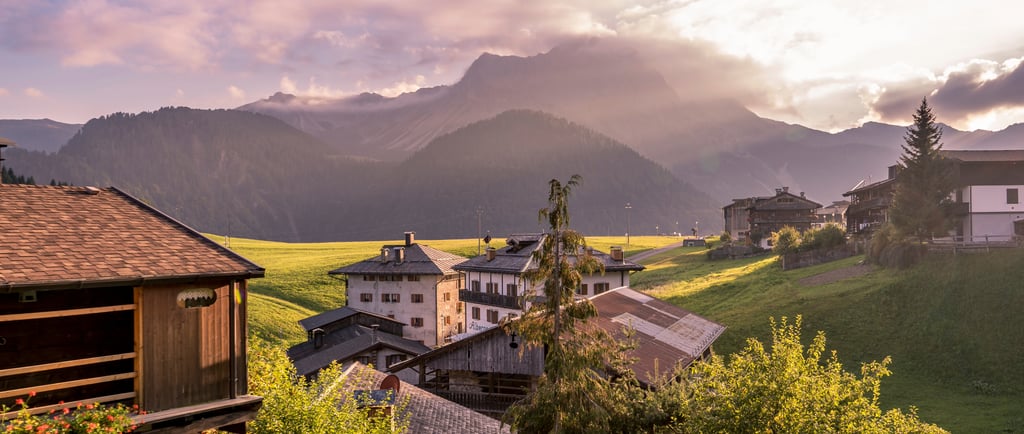
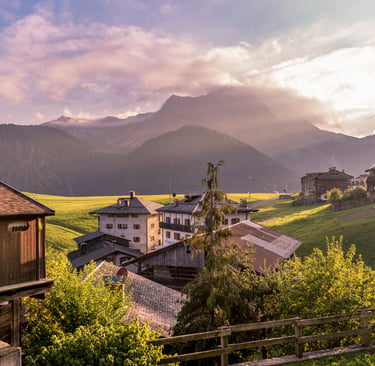
Sauris is one of those places that makes you realize Italy has entire mountain worlds most travelers never touch. Hidden in the Carnian Alps of Friuli Venezia Giulia, Sauris is high, remote, and culturally fascinating. It is also known as Zahre in the local Germanic dialect, a clue to its unique heritage. This is not the Italy of piazzas and coastal sunsets. This is Italy of forests, pastures, wooden houses, mountain roads, smoked ham, alpine lakes, and communities that held onto their traditions because the landscape kept them apart.
The village sits between roughly 1,000 and 1,400 meters, surrounded by meadows, huts, peaks, and a lake that changes color with the seasons. It feels less like a tourist stop and more like a hidden cultural pocket.
Sauris is the kind of place that makes a food traveler, history lover, and mountain wanderer equally happy. Eat the ham. Walk the trails. Look at the houses. Listen for the ways this village does not fit neatly into anyone’s idea of “Italian.”
That is exactly why it is special.
Go here for: remote Alpine culture, Sauris ham, lake views, forests, pastures, and a mountain village with a story most people do not know.
Best base: Sauris, Ampezzo, Tolmezzo, or a Friuli mountain route.
9. Jezersko, Slovenia
The Slovenian Mountain Village With Fairytale Valley Energy
Jezersko is for travelers who think Slovenia begins and ends with Lake Bled. It does not.
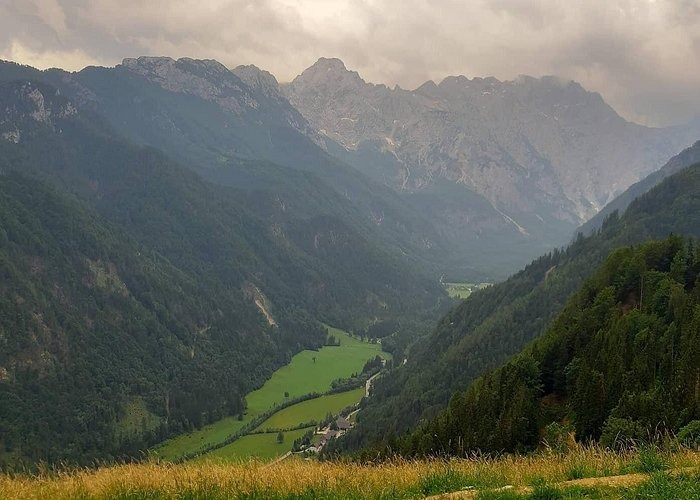
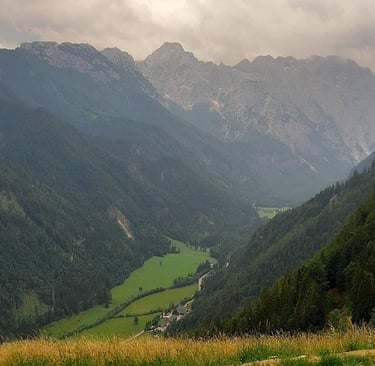
Set in the Kamnik-Savinja Alps, Jezersko has one of those landscapes that feels impossibly gentle and dramatic at the same time: meadows, forests, farmhouses, mountain walls, clear air, trails, and a valley shape that seems designed to make people sigh.
It was Slovenia’s first mountaineering village, which tells you something about the kind of place it is. The focus here is not spectacle for spectacle’s sake. It is nature, walking, climbing, winter sports, local life, and the slower rhythms of a mountain community.
The village has that perfect Visit Small Cities quality: magical, beautiful, and still not the first place most visitors write down. You can hike, bike, snowshoe, cross-country ski, or simply stand in a meadow staring at peaks and wondering why more people are not talking about it.
Actually, maybe do not tell too many people.
Go here for: Kamnik-Savinja Alps scenery, hiking, meadows, mountain farms, peaceful nature, and a Slovenia trip beyond the obvious lake.
Best base: Jezersko, Kranj, Ljubljana, or a northern Slovenia mountain loop.
10. Heiligenblut am Großglockner, Austria
The Church-Spire Village Beneath Austria’s Highest Peak
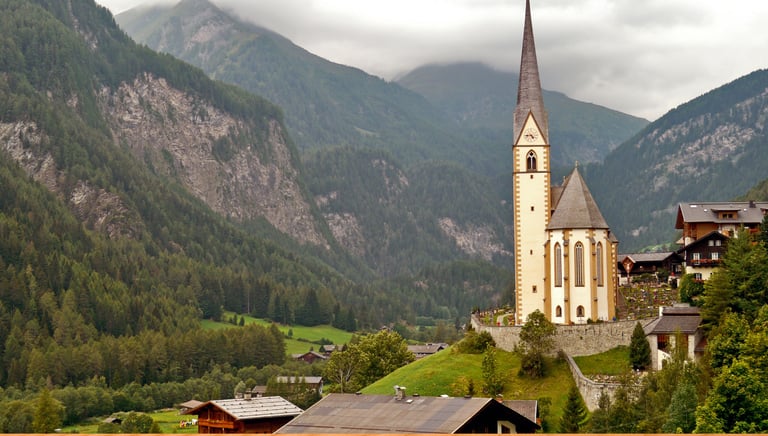
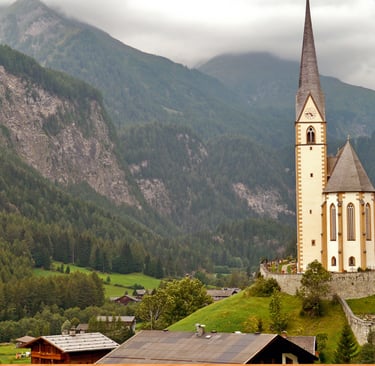
Some Alpine villages have a pretty church. Heiligenblut has a church that looks like it was drawn specifically to stand beneath a mountain.
Set in Carinthia at the foot of the Großglockner, Austria’s highest peak, Heiligenblut is one of those villages where the composition feels almost suspiciously perfect. A slender Gothic church spire rises in the foreground. Behind it, the mountains climb into snow and shadow. The whole scene looks like a Christmas card that got serious about altitude.
But Heiligenblut is more than a photograph. It has pilgrimage history, access to the Großglockner High Alpine Road, high-altitude scenery, winter sports, and a feeling of relative quiet compared with Austria’s louder, more famous resort towns.
This is not the Alps as polished luxury. It is the Alps as spire, snow, road, legend, and mountain weather.
Come for the view, but stay long enough to walk through the village and understand why this place has pulled people into the mountains for centuries.
Go here for: church-spire views, Großglockner scenery, alpine roads, pilgrimage atmosphere, winter sports, and one of Austria’s most iconic village-and-mountain silhouettes.
Best base: Heiligenblut, Lienz, Zell am See, or a Großglockner road trip.
11. Alpbach, Austria
The Wooden Village That Took Pretty Very Seriously
Alpbach is not unknown, but it still belongs here because it is the Alpine village fantasy done almost perfectly.
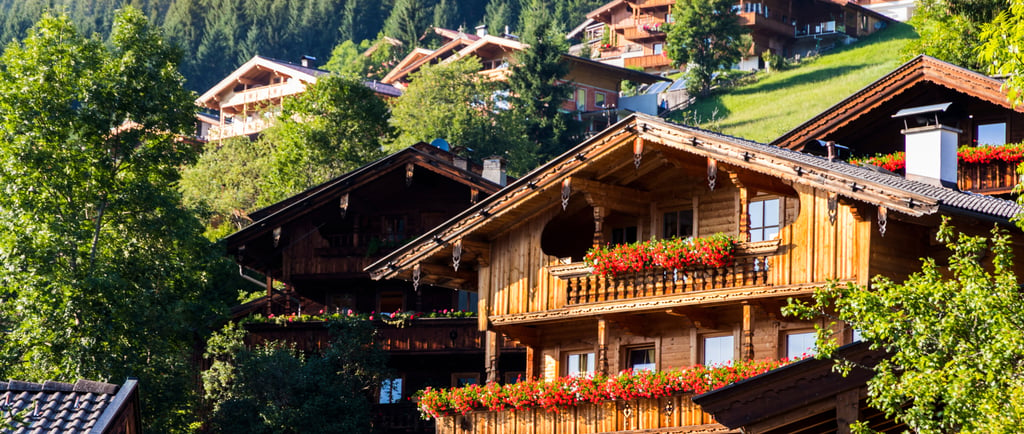
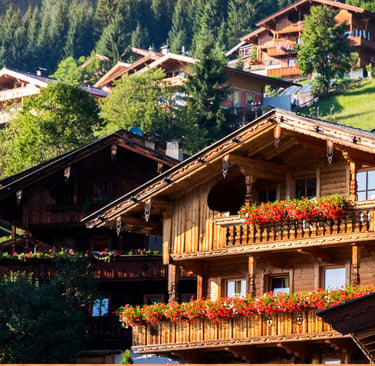
In the Tyrolean Alps, Alpbach is known for its uniform wooden architecture, flower-covered balconies, traditional building style, and the title “Austria’s Most Beautiful Village.” It is polished, yes, but not in a soulless way. The beauty comes from consistency: warm wood, pitched roofs, balcony flowers, mountain slopes, and a village center that feels harmonious instead of chaotic.
Some places become pretty by accident. Alpbach feels like it made a village-wide commitment.
It is especially beautiful in summer when flowers soften the wood, and in winter when snow turns the whole place into a cozy Alpine postcard. Because it is not hidden in the strictest sense, the trick is to use it as a gateway to smaller walks, nearby hamlets, and the wider Alpbachtal region instead of treating it as a quick photo stop.
Go here for: classic Tyrolean beauty, wooden chalets, flowers, mountain views, gentle walks, and a village that understands the assignment.
Best base: Alpbach, Reith im Alpbachtal, or Innsbruck if you are doing a broader Tirol trip.
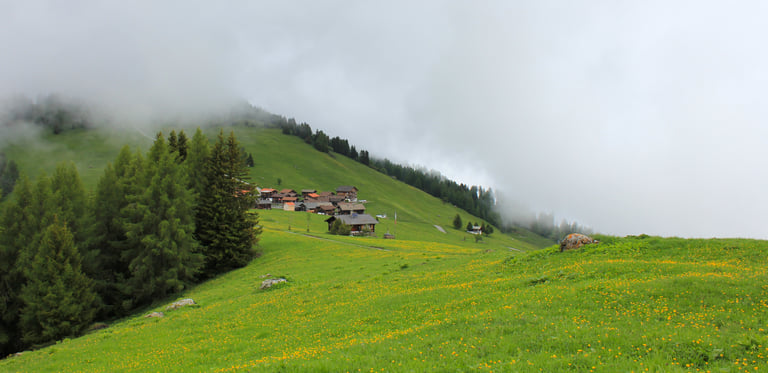
12. Obermutten, Switzerland
The Tiny Walser Village With A Wooden Church And Big Quiet
Obermutten is not the kind of place that tries to compete with Switzerland’s famous mountain villages. It would lose at fame. It wins at feeling.
This tiny Walser settlement in Graubünden sits high above the valley, known for its wooden church and its quiet mountain setting. It is small, simple, and deeply removed from the grand-resort version of Switzerland. There are no crowds chasing the same viewpoint. No glamorous shopping lanes. No cable cars dumping everyone into one photo spot.
Just a small Alpine settlement, a wooden church, mountain air, and the sense that you have stepped outside the main story. That is why it belongs on this list.
Not every beautiful Alpine village needs to be dramatic. Some are beautiful because they feel untouched by urgency. Obermutten is for travelers who appreciate tiny places, mountain roads, old communities, and the kind of silence that feels less like emptiness and more like permission.
Go here for: tiny-village atmosphere, Walser heritage, a wooden church, quiet slopes, and Switzerland at its most understated.
Best base: Thusis, Mutten, Lenzerheide, or a Graubünden road trip.
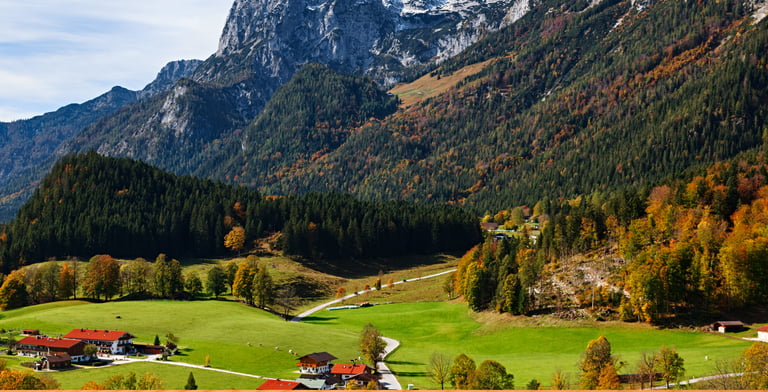
13. Ramsau bei Berchtesgaden, Germany
The Bavarian Village With The Church Everyone Thinks Is A Painting
Ramsau bei Berchtesgaden may be known to photographers, but it still feels wonderfully small compared with Germany’s grander Alpine stops.
The scene everyone knows is St. Sebastian Church beside the Ramsauer Ache, with mountains rising behind it. It looks almost too composed: white church, onion dome, river, bridge, peaks, and just enough Bavarian softness to make the whole thing feel like a painted memory.
But Ramsau is more than one photo. It sits near Berchtesgaden National Park, Lake Hintersee, the Zauberwald forest, Wimbachklamm gorge, and trails that move quickly from gentle village beauty into serious mountain scenery. That makes it ideal for travelers who want a small base with big landscapes around it.
Ramsau is not trying to be edgy or undiscovered. It is simply beautiful in the old Alpine way: church bells, clean rivers, carved balconies, forest paths, and mountains that always seem to be waiting just beyond the village.
Go here for: Bavarian Alpine scenery, St. Sebastian Church, Hintersee, forest walks, mountain trails, and a village that looks impossibly composed from every angle.
Best base: Ramsau, Berchtesgaden, Schönau am Königssee, or Salzburg.
14. Saint-Luc, Switzerland
The Starry Village Above The Val d’Anniviers
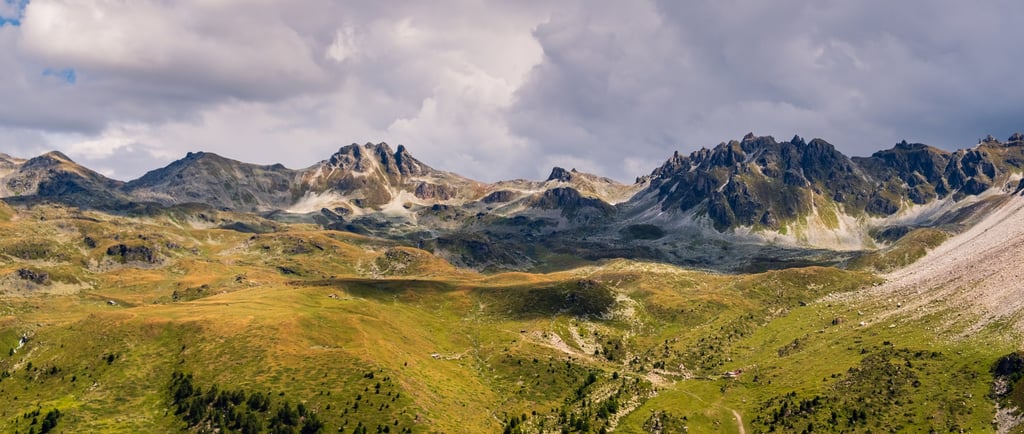
Saint-Luc feels like a village built for people who want both mountain charm and sky drama. Set in Switzerland’s Val d’Anniviers, not far from Grimentz, it has wooden chalets, sweeping views, walking trails, and a particular connection to astronomy thanks to the François-Xavier Bagnoud Observatory above the village. That makes it one of the more unusual Alpine picks: still charming by day, but especially magical when the focus shifts upward.
The village has a less obvious kind of beauty than the postcard heavy-hitters. It is not trying to be the prettiest village in Switzerland. It is trying to be itself: sunny, high, open, and connected to a valley of historic villages and mountain routes.
Come here if you want the Alps with a little stargazing, a little quiet, and a lot of sky.
Go here for: mountain views, walking trails, starry-night atmosphere, Anniviers charm, and a quieter alternative to Switzerland’s famous resort towns.
Best base: Saint-Luc, Chandolin, Grimentz, or Sierre.
15. Dovje-Mojstrana, Slovenia
The Julian Alps Village Pair Hiding In Plain Sight
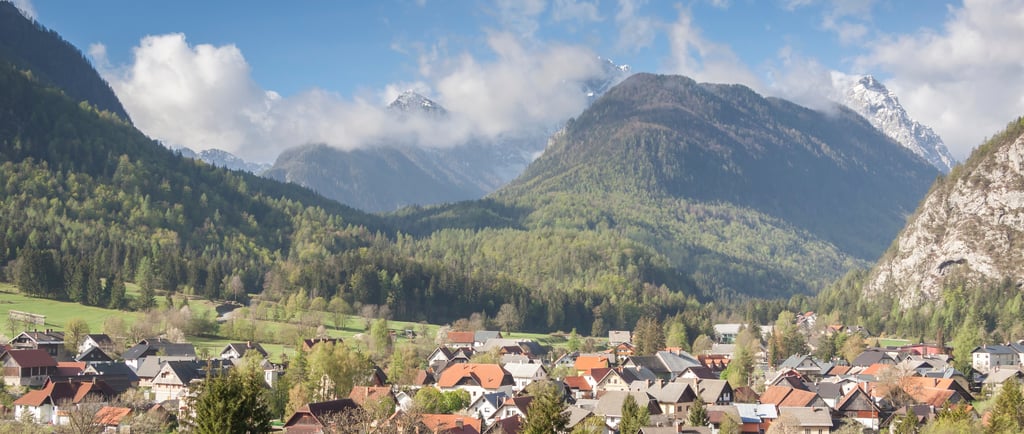
Dovje and Mojstrana sit at the edge of some of Slovenia’s most beautiful mountain scenery, but many travelers rush past them on the way to better-known names. That is a mistake.
These villages offer a quieter gateway to the Julian Alps, with views toward Triglav, traditional homes, mountain culture, hiking routes, cycling, and access to valleys that feel far bigger than the villages themselves. Mojstrana is especially tied to mountaineering history, while Dovje has a more elevated, village-on-the-slope feeling.
Together, they create the kind of Alpine base Visit Small Cities loves: not flashy, not overrun, but deeply connected to the landscape around them. This is the place to come when you want Slovenia beyond Bled, beyond Ljubljana, beyond the same two photographs everyone repeats. Stay here, walk here, and let the Julian Alps open slowly instead of all at once.
Go here for: Julian Alps views, mountaineering culture, trails, village calm, and Slovenia’s mountain side without the postcard crowds.
Best base: Dovje, Mojstrana, Kranjska Gora, or a Triglav National Park route.
How To Choose Your Dream Alpine Village
Choose Soglio if you want stone lanes, old palazzi, and a romantic Swiss-Italian mountain mood.
Choose Guarda if you love painted houses, folklore, and quiet Engadin beauty.
Choose Grimentz if you want dark-timber chalets, flowers, and a classic Swiss village that still feels intimate.
Choose Bonneval-sur-Arc if you want stone houses, slate roofs, and high French Alps atmosphere.
Choose Saint-Véran if you want altitude, stars, rural traditions, and the hidden Queyras.
Choose Sixt-Fer-à-Cheval if you want waterfalls, cliff walls, and a village surrounded by natural drama.
Choose Chamois if you want a car-free Italian village reached by cable car.
Choose Sauris if you want remote Friuli culture, food, lake views, and mountain traditions.
Choose Jezersko if you want Slovenia’s peaceful, meadow-filled mountain magic.
Choose Heiligenblut if you want an iconic church spire beneath Austria’s highest mountain.
Choose Alpbach if you want polished Tyrolean beauty, wood balconies, and flower-covered charm.
Choose Obermutten if you want tiny, quiet, understated Swiss mountain life.
Choose Ramsau if you want Bavaria at its most painterly.
Choose Saint-Luc if you want Swiss village charm with a stargazing twist.
Choose Dovje-Mojstrana if you want a quieter gateway to Slovenia’s Julian Alps.
The Alps Beyond The Obvious
The famous Alpine villages are famous for a reason. But the Alps are not a short list. They are a whole mountain world of valleys, languages, roofs, church bells, old roads, walking paths, weather patterns, food traditions, and villages that still feel tied to the land around them.
Some are made of stone.
Some are made of dark wood.
Some are painted.
Some are car-free.
Some glow beneath glaciers.
Some hide in forests.
Some sit high enough to make the sky feel personal.
The point is not to skip the famous places forever. The point is to remember that wonder does not only live where everyone is already looking.
Sometimes it waits above the valley road.
Behind a pass.
At the end of a cable car.
In a village with one church, one bakery, three perfect lanes, and mountains that make you forget what you came here worrying about.
The Alps are still full of places too beautiful to be real. You just have to stop following the crowd long enough to find them.
Explore
Discover hidden gems in small cities worldwide.
© 2025. All rights reserved. Ripe Melland Media