Stop scrolling and start visiting

20 Animals You Won't Believe Actually Exist
Meet 20 incredible animals that look too strange, colorful, or mythical to be real. From smiling quokkas and pink river dolphins to vampire-fanged deer and prehistoric birds, these remarkable creatures prove that nature has a much bigger imagination than we do.
WILD ENCOUNTERS
Sarah Melland
6/9/20266 min read
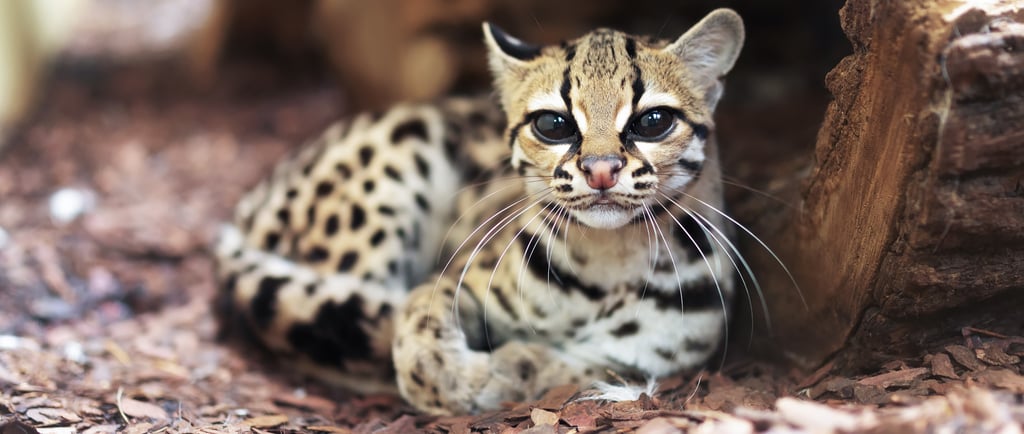
Somewhere in the world, there's a deer with vampire fangs, a dolphin that's bright pink, a bird that looks like it escaped from the age of dinosaurs, and a smiling creature that has been unofficially crowned the happiest animal on Earth.
Nature has a sense of humor.
While lions, elephants, and bears tend to steal the spotlight, countless strange and fascinating creatures exist far beyond the pages of most wildlife books. Some look like fantasy creatures. Others appear to have been assembled from spare animal parts. A few seem so unbelievable that many people assume they're fictional.
Yet every one of these animals is very real.
If you're looking for proof that our planet is far stranger than we often realize, start here.
1. Quokka
📍 Australia
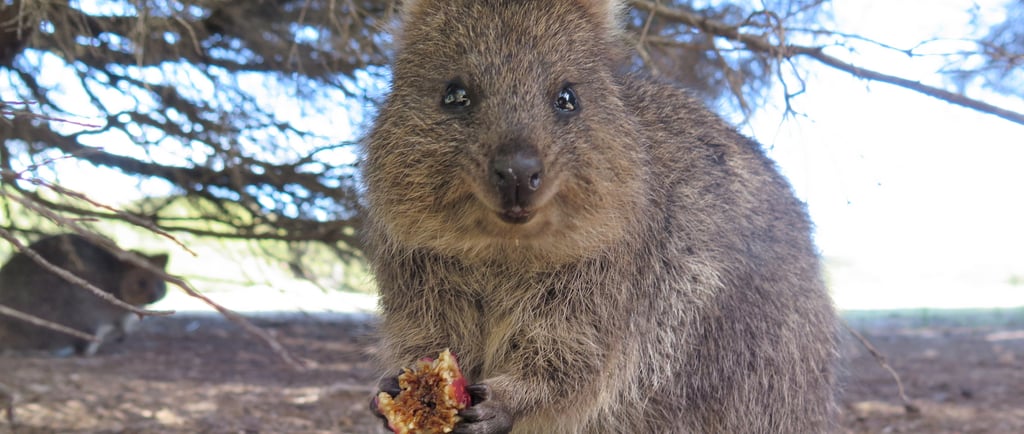
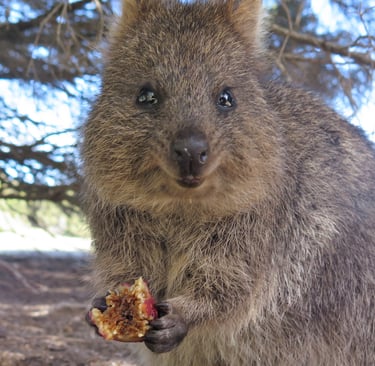
Often called the world's happiest animal, the quokka has become famous for its permanent smile and friendly personality. Native to Rottnest Island off the coast of Western Australia, these small marsupials seem almost too adorable to be real. They frequently approach visitors and have become internet celebrities thanks to countless selfies.
Why You'll Love It: Imagine a tiny kangaroo that looks delighted to see you.
2. Kakapo
📍 New Zealand
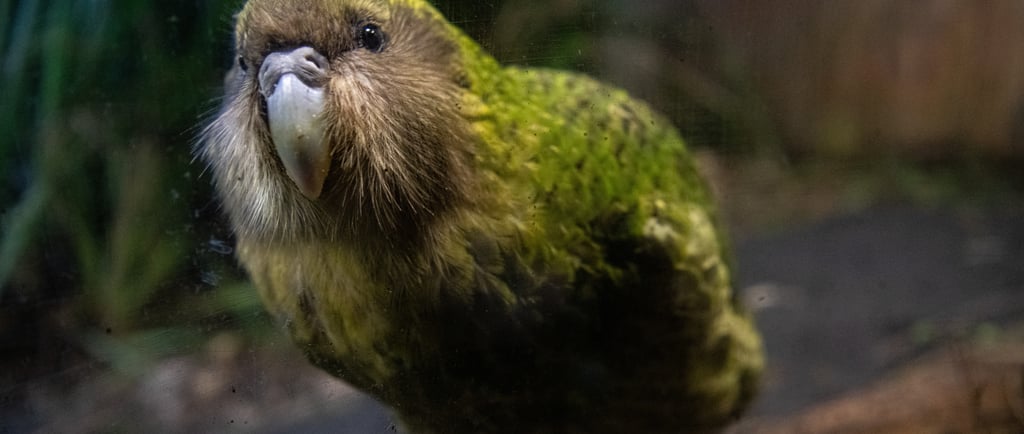
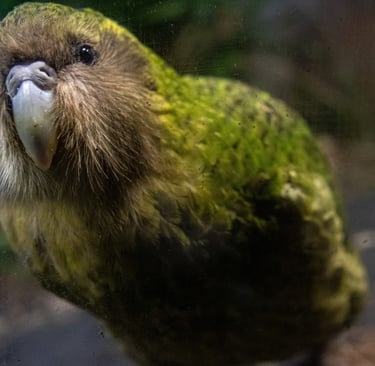
The kakapo is one of the rarest birds on Earth and may be one of the strangest. This large parrot cannot fly, is active primarily at night, and can live for more than 90 years. Once widespread across New Zealand, the species nearly disappeared before intensive conservation efforts helped bring it back from the brink.
Why You'll Love It: A giant, flightless, nocturnal parrot sounds like something someone made up.
3. Saiga Antelope
📍 Kazakhstan
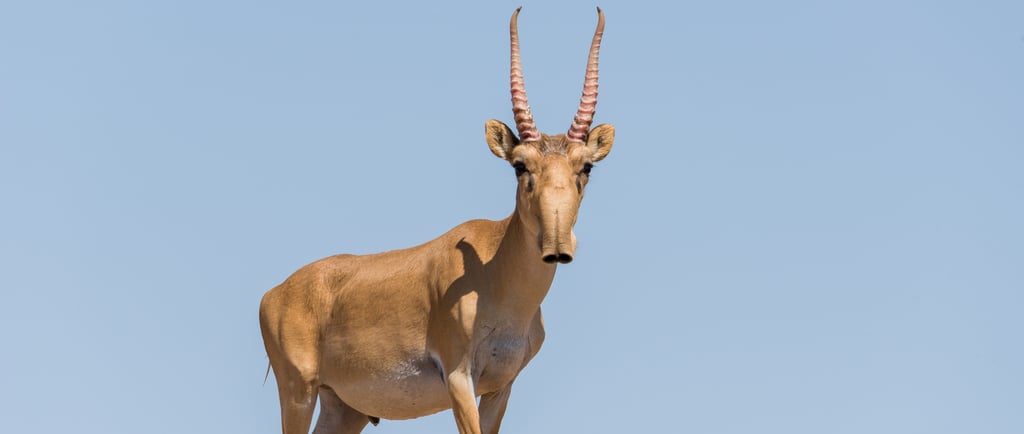
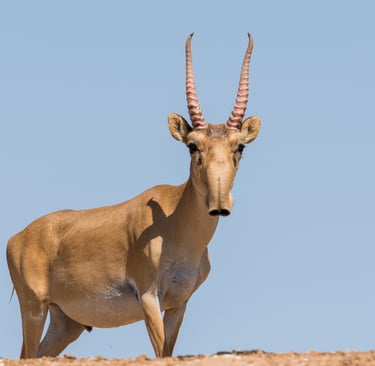
The saiga antelope's oversized nose makes it look almost cartoonish. That unusual snout serves an important purpose, helping filter dust during the dry season and warm cold air during brutal winters on the Central Asian steppes.
Why You'll Love It: It looks like a cross between an antelope and a vacuum cleaner.
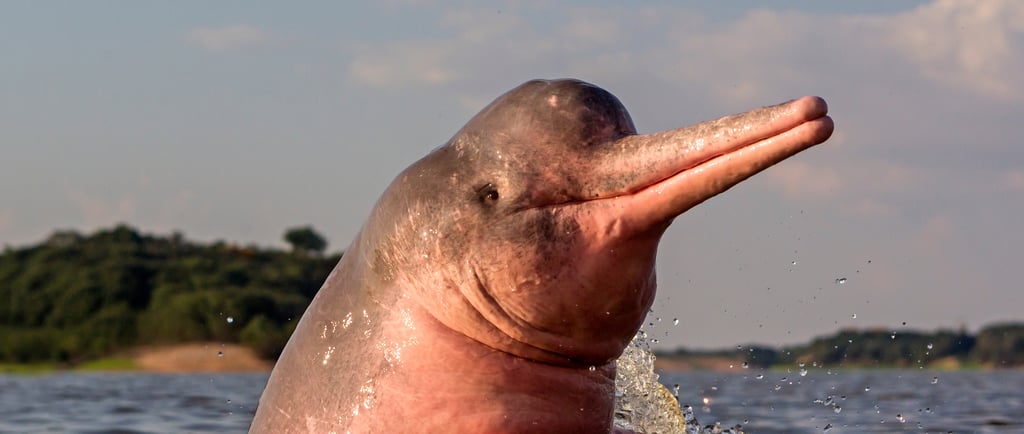
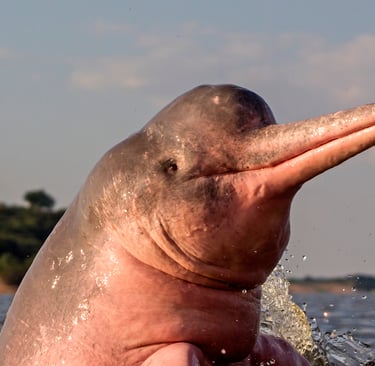
4. Pink River Dolphin
📍 Amazon Basin
Yes, pink dolphins are real. Found throughout the Amazon River system, these intelligent freshwater dolphins develop a distinctive pink coloration as they age. Local legends often surround them, adding even more mystery to an already remarkable creature.
Why You'll Love It: It's literally a pink dolphin swimming through the Amazon rainforest.
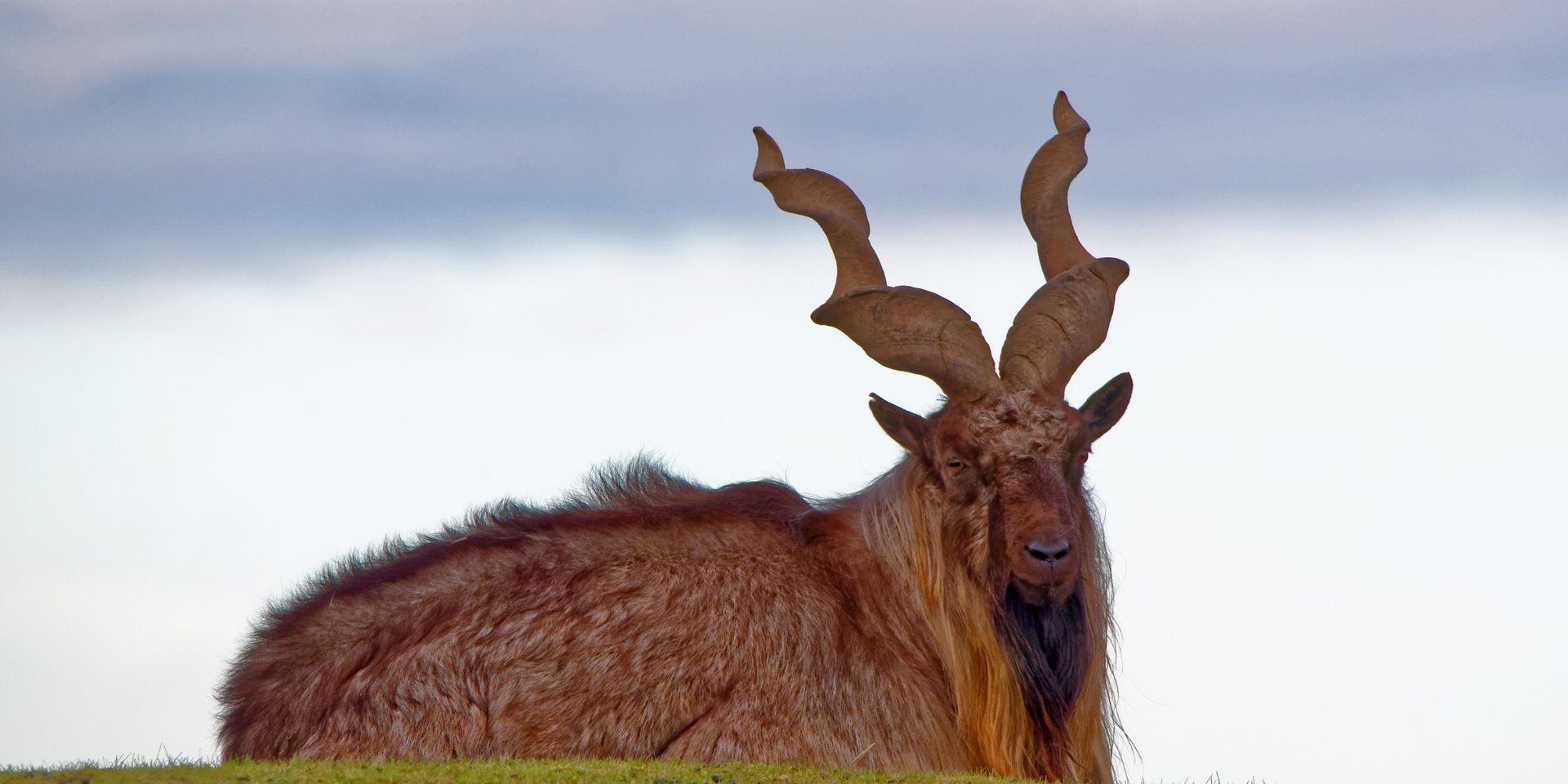
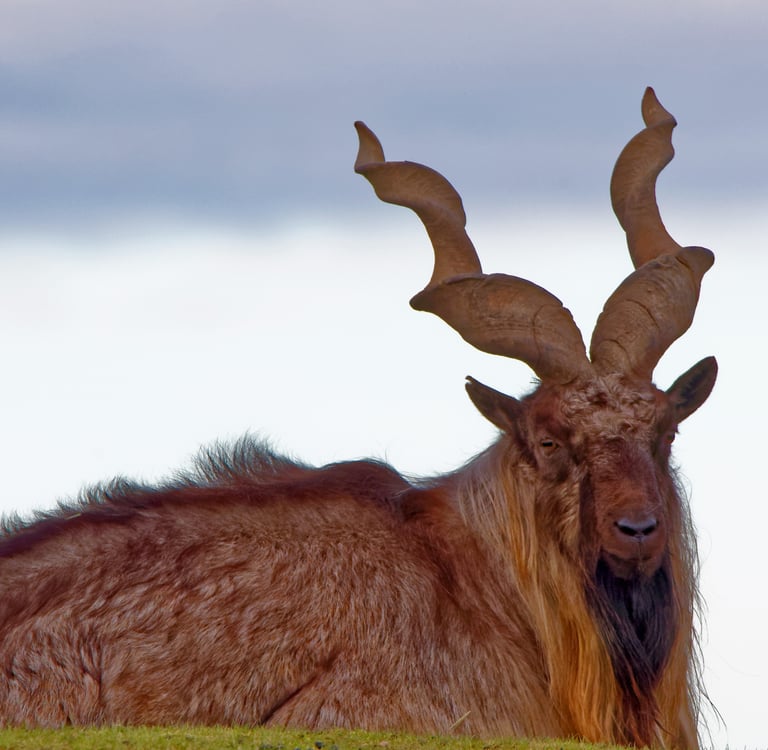
5. Markhor
📍 Pakistan
The national animal of Pakistan is one of the most impressive wild goats on Earth. Its enormous corkscrew-shaped horns can grow over five feet long, creating a silhouette that looks more mythical than natural.
Why You'll Love It: It resembles something a fantasy artist would sketch after too much coffee.
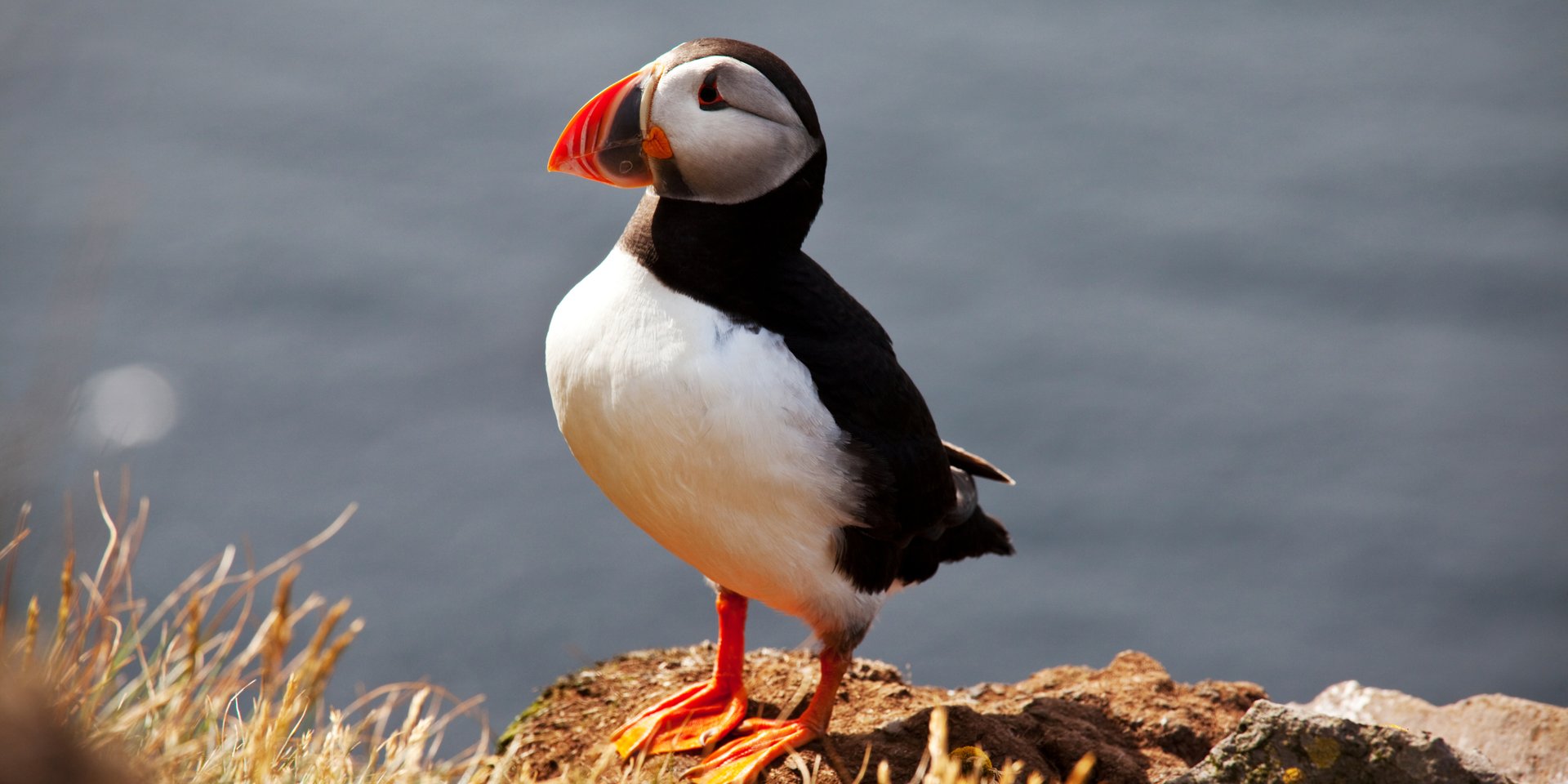
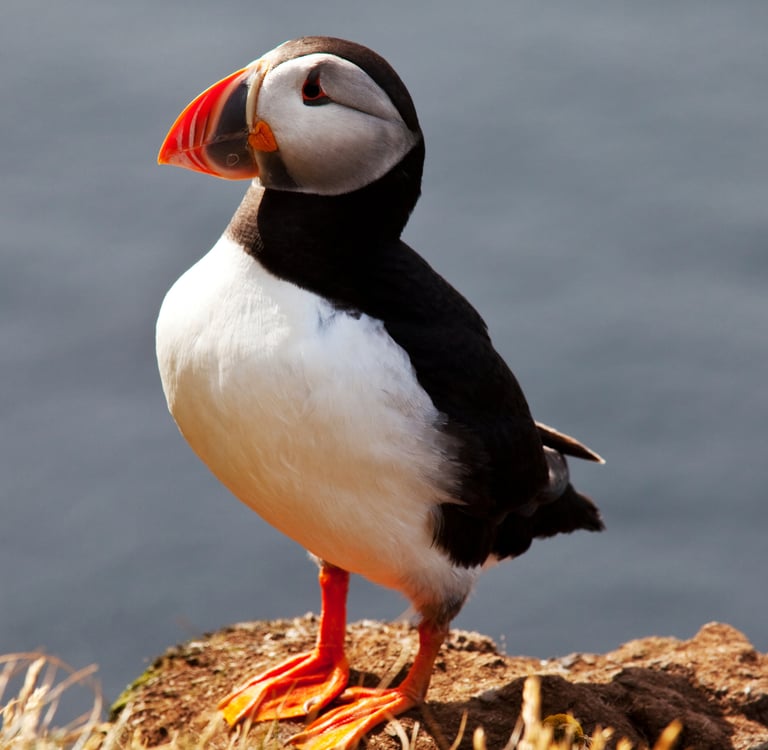
6. Puffin
📍 Iceland
With colorful beaks and an awkward, almost comical appearance, puffins have become one of Iceland's most beloved animals. Despite their cute appearance, these birds are excellent divers and can catch multiple fish at once.
Why You'll Love It: They look like tiny cartoon penguins wearing rainbow beaks.
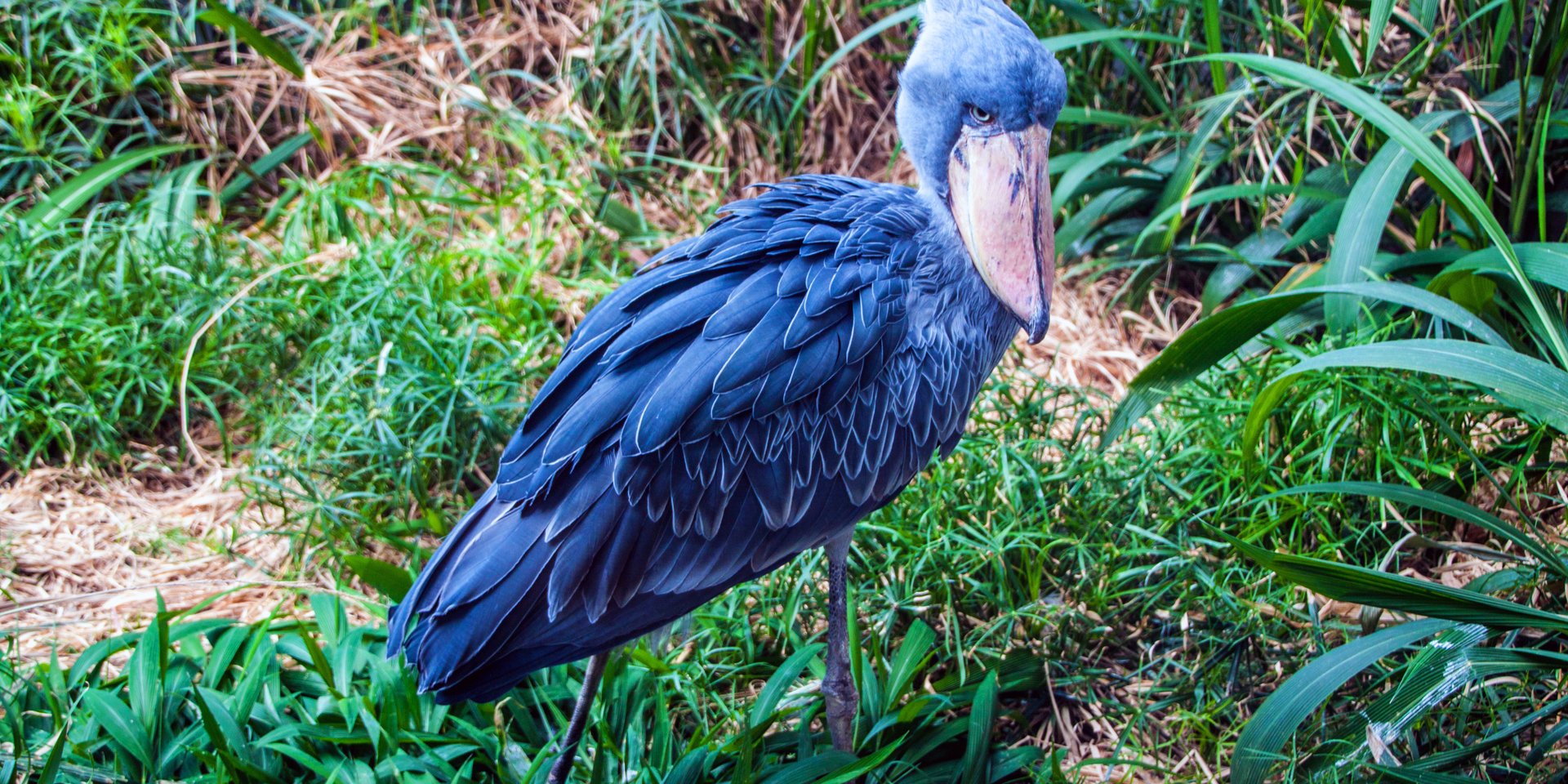
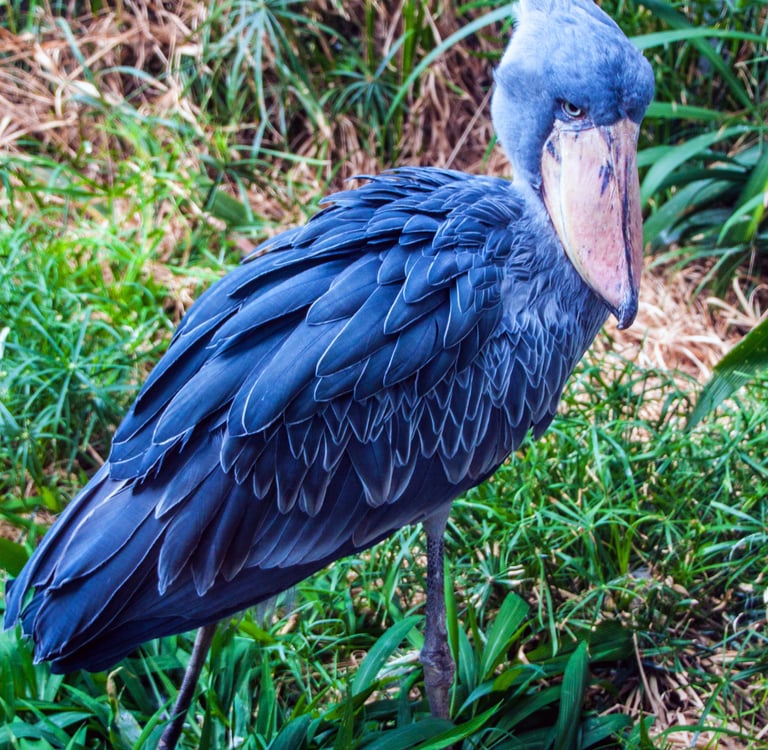
7. Shoebill Stork
📍 Uganda
Few birds inspire as much fascination as the shoebill. Standing over four feet tall, with piercing eyes and a massive shoe-shaped bill, this prehistoric-looking bird seems completely out of place in the modern world.
Why You'll Love It: It looks like a dinosaur that never got the memo about extinction.
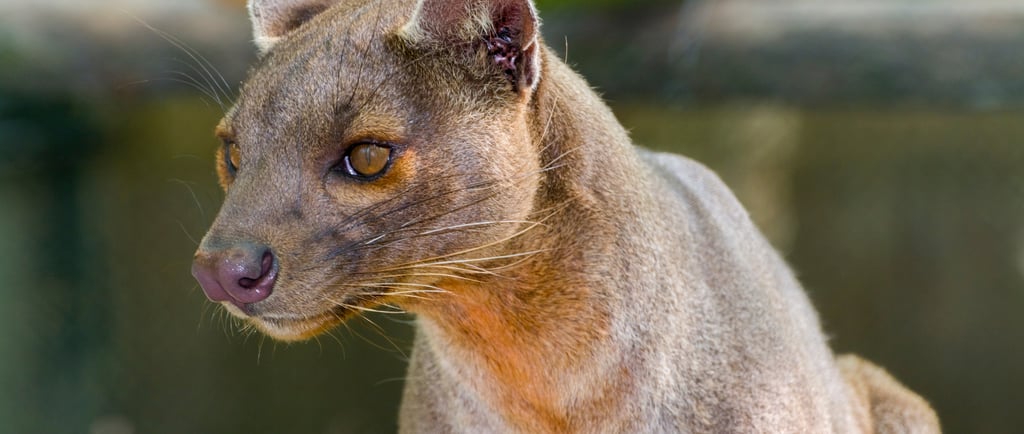
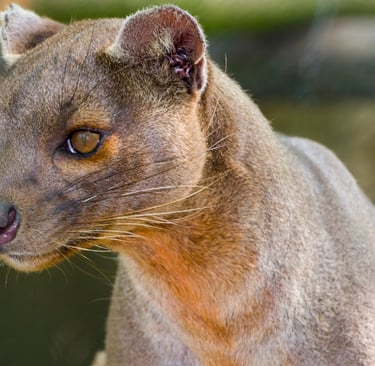
8. Fossa
📍 Madagascar
The fossa is Madagascar's top predator, yet most people have never heard of it. Part cat, part mongoose, and entirely unique, this agile hunter spends much of its life moving through the forests in pursuit of lemurs.
Why You'll Love It: It looks familiar and unfamiliar at exactly the same time.
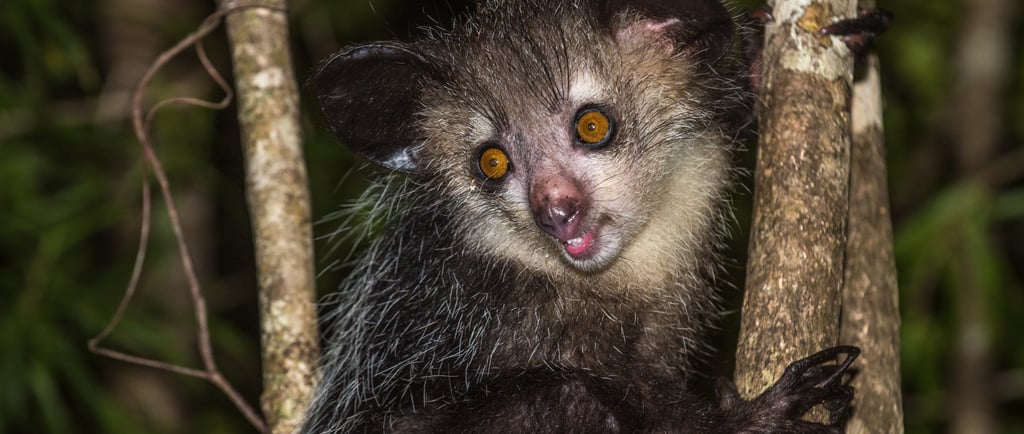
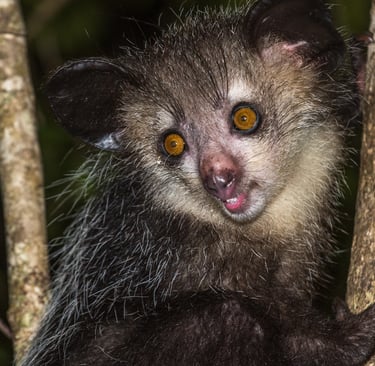
9. Aye-Aye
📍 Madagascar
The aye-aye may be one of the strangest primates on Earth. It uses an unusually long middle finger to tap on trees, locate insects hidden inside, and pull them out for dinner.
Why You'll Love It: It's basically nature's version of a tiny gremlin.
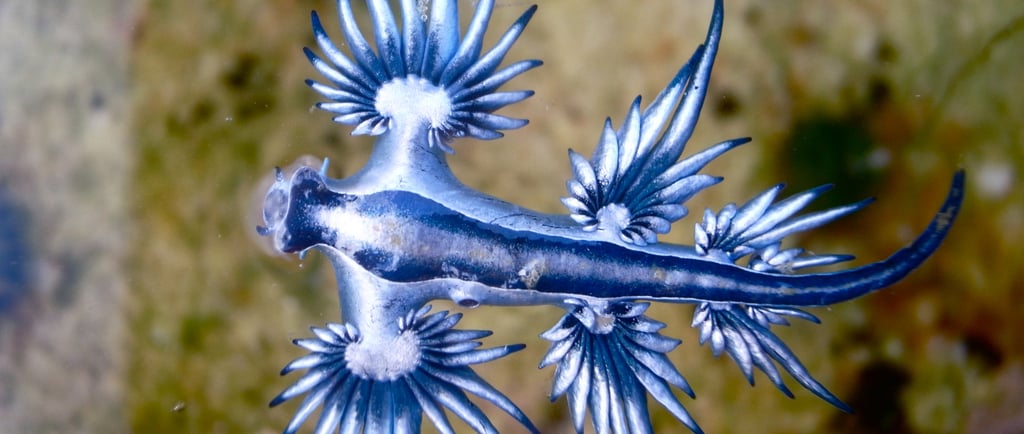
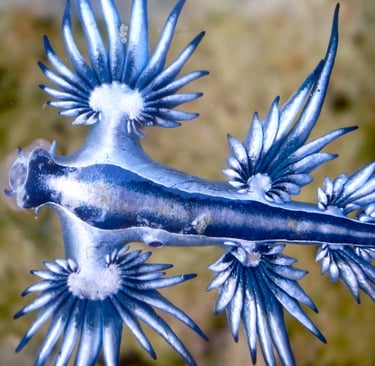
10. Blue Dragon Sea Slug
📍 Oceans Worldwide
This tiny creature is one of the most beautiful animals in the ocean. Floating upside down on the water's surface, the blue dragon sports brilliant shades of blue and silver while feeding on venomous prey.
Why You'll Love It: It looks more like a Pokémon than a real animal.
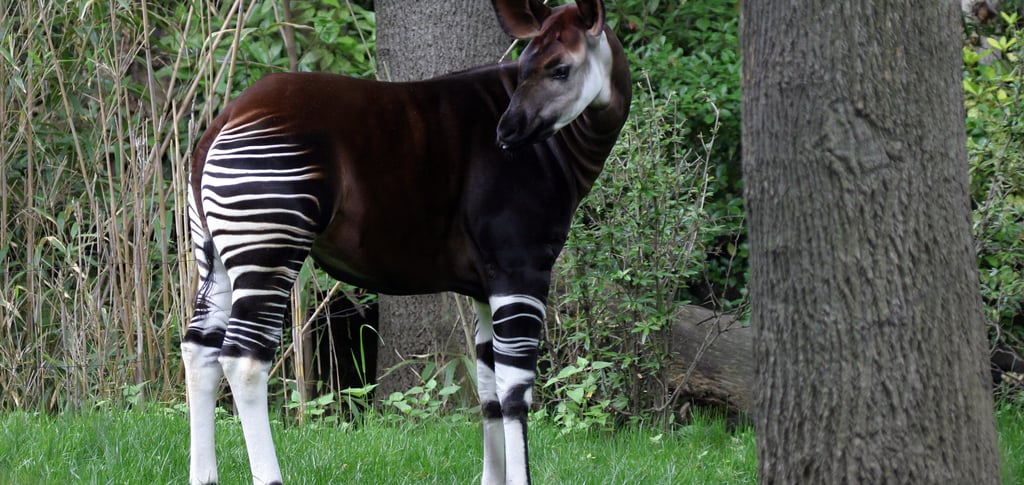
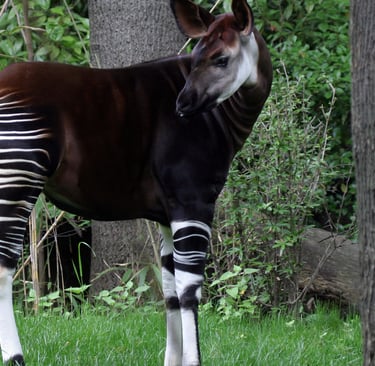
11. Okapi
📍 Democratic Republic of Congo
At first glance, the okapi appears to be half zebra and half giraffe. In reality, it's the giraffe's closest living relative and one of Africa's most elusive animals.
Why You'll Love It: Nature somehow decided stripes and giraffes belonged together.
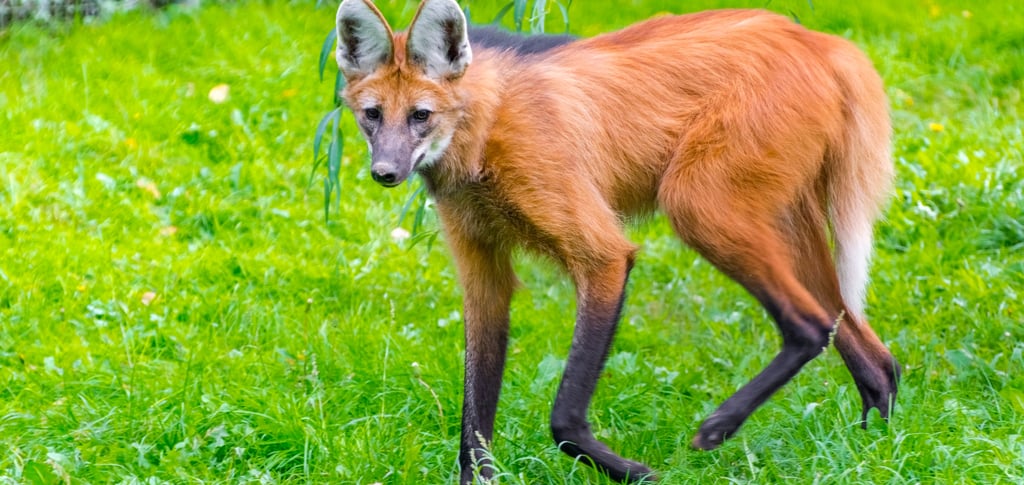
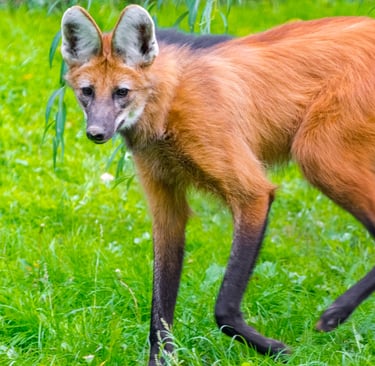
12. Maned Wolf
📍 Brazil
Despite its name, the maned wolf isn't actually a wolf. Its unusually long legs help it move through tall grasslands, giving it a distinctive appearance unlike any other canine.
Why You'll Love It: It looks like a fox walking on stilts.
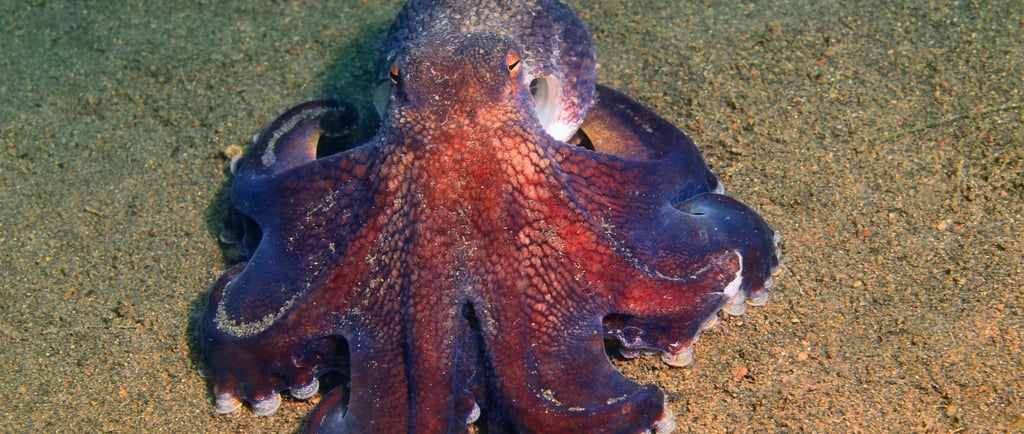
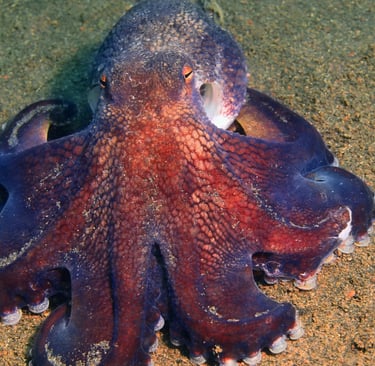
13. Dumbo Octopus
📍 Deep Ocean
Named after Disney's famous elephant, the dumbo octopus uses ear-like fins to glide gracefully through the deep sea. It spends its life in some of the deepest environments on Earth.
Why You'll Love It: It's adorable enough to make you forget it's an octopus.
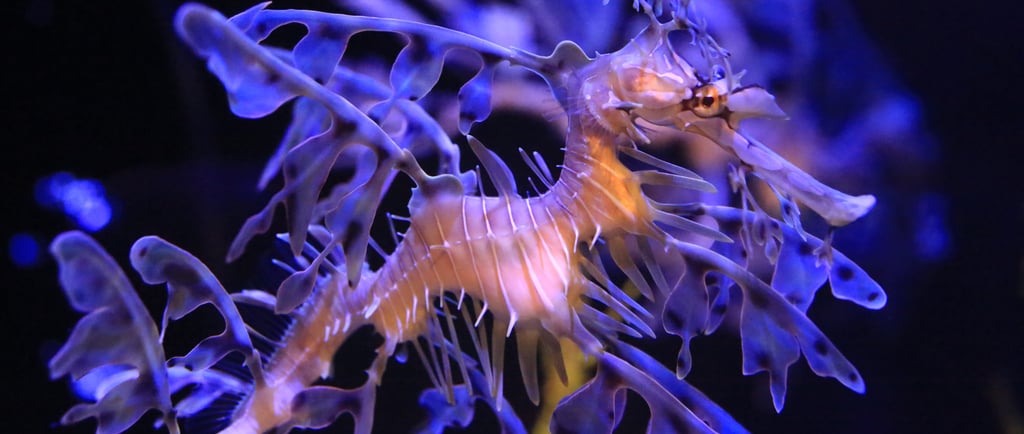
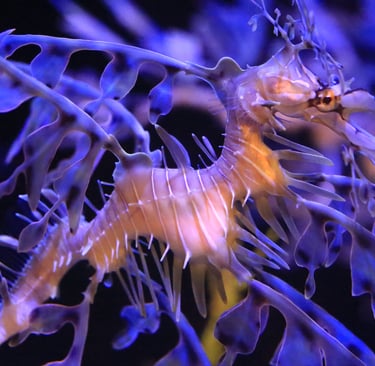
14. Leafy Sea Dragon
📍 Australia
Closely related to seahorses, leafy sea dragons use elaborate leaf-like appendages to blend into underwater vegetation. They are among the ocean's most spectacular masters of camouflage.
Why You'll Love It: It looks like a floating piece of enchanted seaweed.
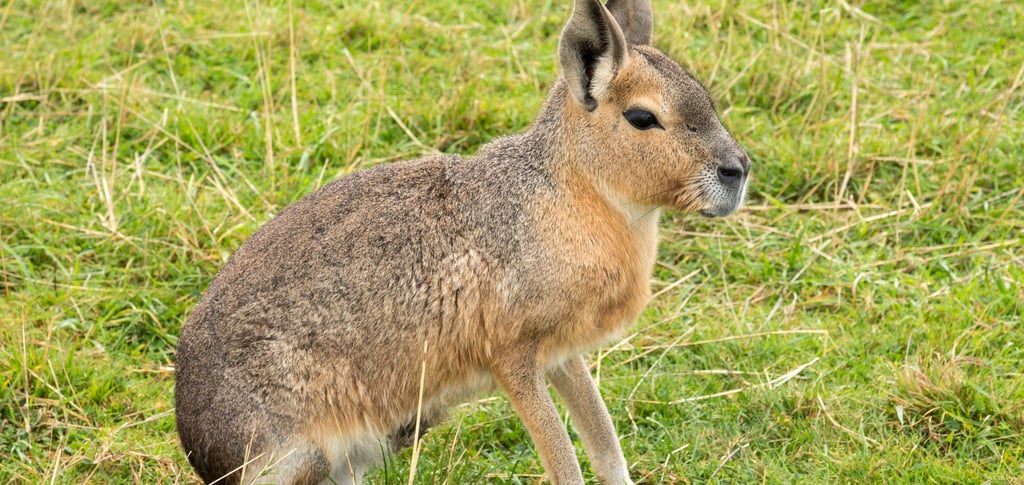
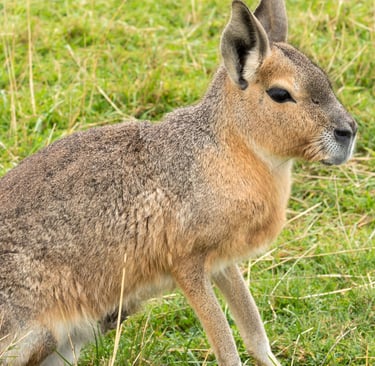
15. Patagonian Mara
📍 Argentina
The Patagonian mara resembles a rabbit and a deer that somehow merged into one animal. Native to Argentina, these unique rodents can run at surprisingly high speeds across the open landscape.
Why You'll Love It: Every part of it seems borrowed from a different species.
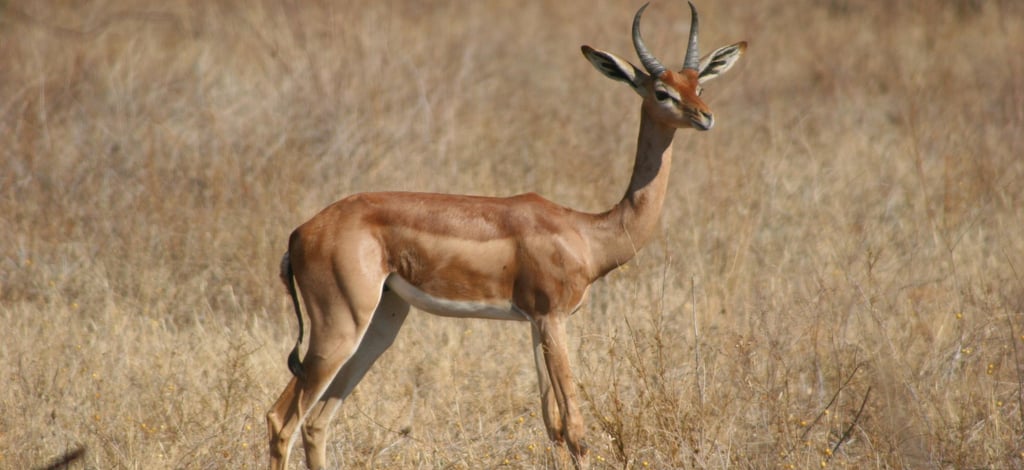
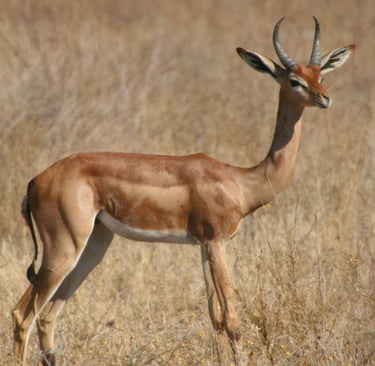
16. Gerenuk
📍 East Africa
Known as the "giraffe gazelle," the gerenuk can stand upright on its hind legs to reach leaves that other antelope can't access. It's an unusual sight that often leaves first-time observers stunned.
Why You'll Love It: Watching an antelope stand like a person feels mildly unsettling.
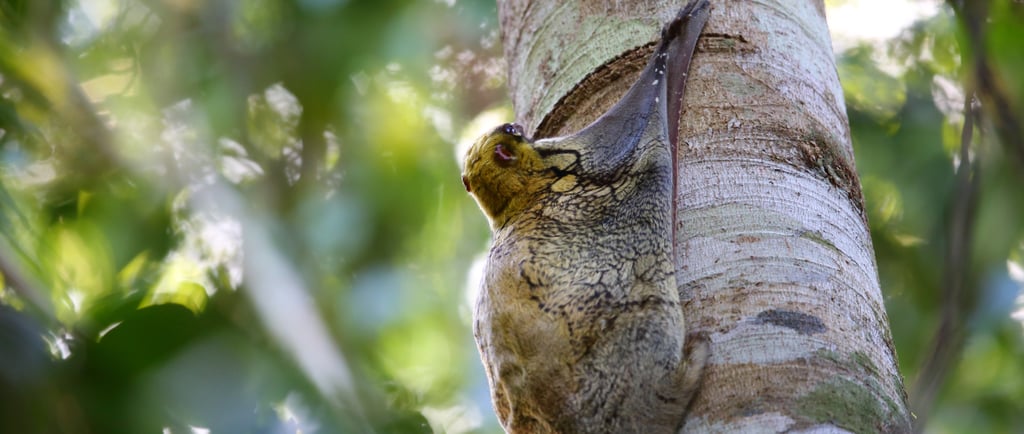
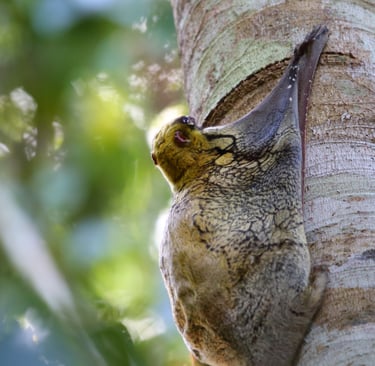
17. Sunda Colugo
📍 Southeast Asia
Often called a flying lemur, the colugo doesn't actually fly and isn't actually a lemur. Instead, it glides through forests using a membrane that stretches between its limbs.
Why You'll Love It: It's basically a living flying blanket.
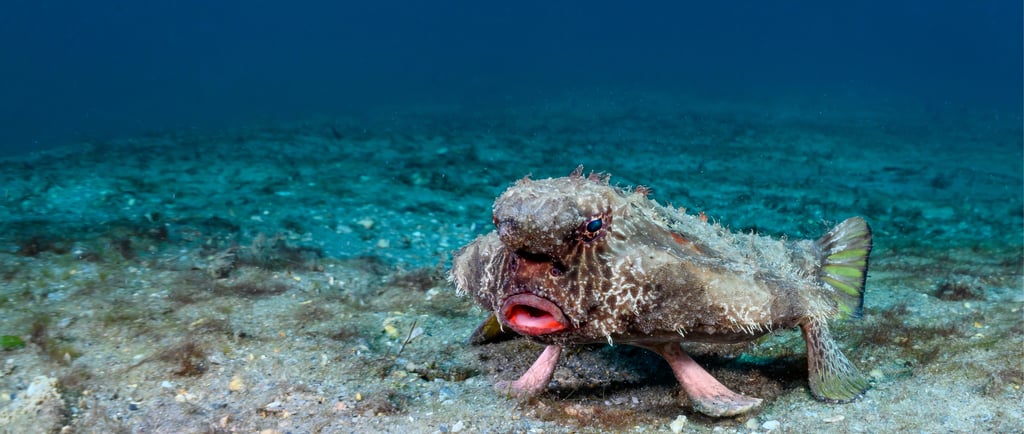
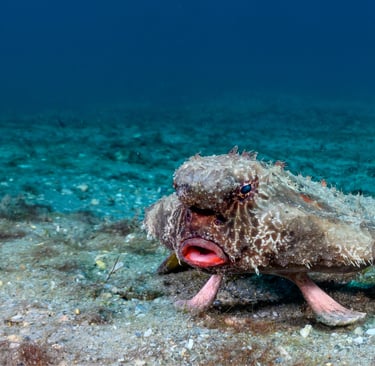
18. Red-Lipped Batfish
📍 Galápagos Islands
This bizarre fish is famous for its bright red lips and unusual appearance. Rather than swimming efficiently, it often "walks" along the ocean floor using modified fins.
Why You'll Love It: It looks permanently ready for a photoshoot.
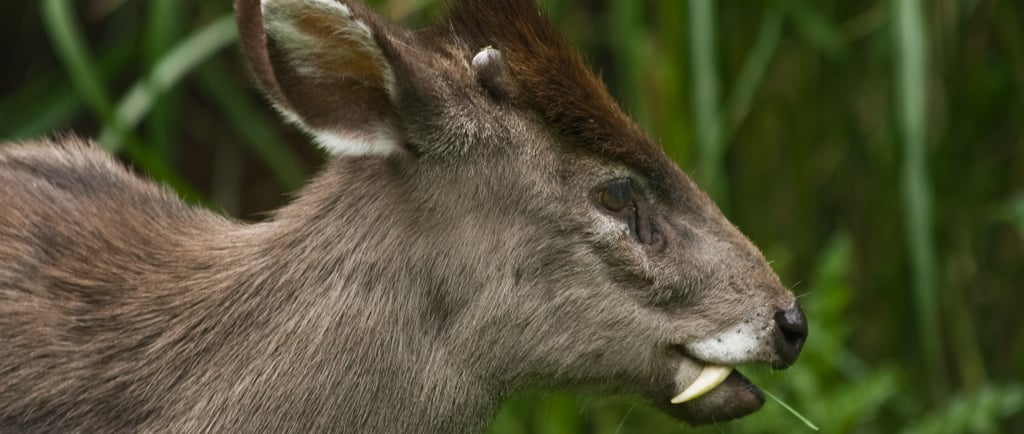
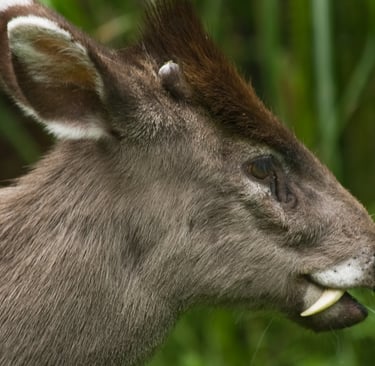
19. Tufted Deer
📍 China
If deer grew vampire fangs, they'd look like this. Male tufted deer possess long canine teeth that protrude from their mouths, creating one of the strangest appearances in the animal kingdom.
Why You'll Love It: It's proof that even deer can be intimidating.
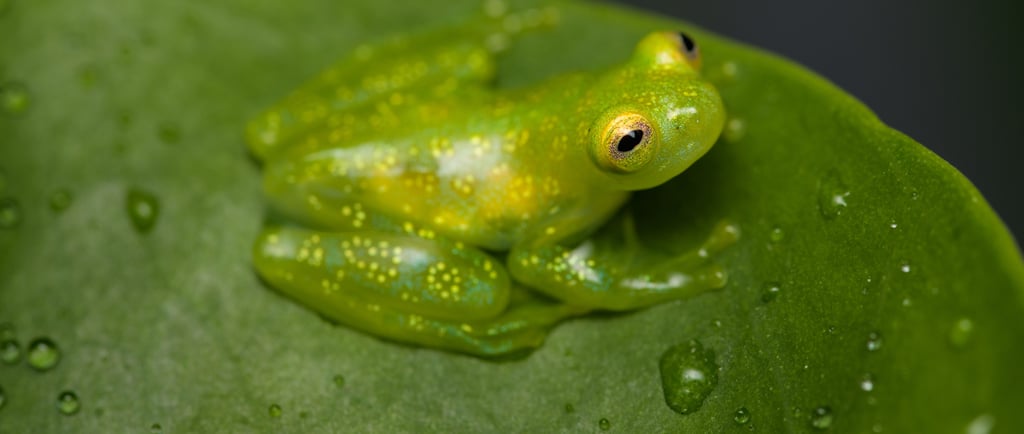
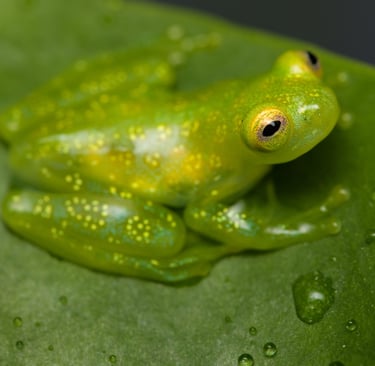
20. Glass Frog
📍 Central America
The glass frog may be nature's greatest transparency project. Many species have partially transparent skin, allowing observers to see internal organs through their bellies.
Why You'll Love It: You can literally see through parts of it.
Final Thoughts
The more we explore our planet, the stranger it becomes. From smiling marsupials in Australia to pink dolphins in the Amazon and vampire-fanged deer in China, these remarkable creatures remind us that reality is often far more fascinating than fiction. The world still holds countless surprises. Sometimes they aren't hidden in ancient ruins, remote villages, or dramatic landscapes. Sometimes they're staring right back at us from the animal kingdom.
Explore
Discover hidden gems in small cities worldwide.
© 2025. All rights reserved. Ripe Melland Media